When Stellamaris reflects on her past, she wishes someone had talked to her about contraceptives earlier.
“If I had known about contraceptives sooner, I might not have gotten pregnant, because it shattered my dreams. But now I know better, and I am currently using contraception,” she says.
For Joyline, the lesson has been different but equally powerful. She believes parents have a key role to play.
“Parents should educate their daughters about contraceptives and allow them to make informed choices, including using contraception for family planning,” she says.
Their voices highlight a reality faced by many young women in Kenya. While awareness of contraception is nearly universal, access and acceptance remain uneven.
The call from some of the young mothers is not only about the availability of services, but also about dignity. They have asked the government to ensure contraceptives are always accessible, and pleaded not to be stigmatised when seeking them.
World Contraception Day, marked globally on September 26, is about exactly that. It is a day to raise awareness about contraception, family planning, and reproductive health.
In Kenya, it also reinforces the country’s commitment to Family Planning 2030 targets and the right of individuals to decide freely and responsibly on the number and spacing of their children.
This year, the global theme is “A choice for all-agency, intention, access.” Kenya is observing the day under the theme “Chaguo la wote; Making contraception accessible.”
“Family planning empowers people to decide freely and responsibly on the number and spacing of their children,” reads a fact sheet from the Ministry of Health.
It stresses that contraception is more than birth control. It is about saving lives, promoting health, and building stronger communities.
Family planning is described as a life-saving intervention. It reduces unintended pregnancies and lowers maternal deaths. It also improves child health outcomes. Beyond health, contraception has social and economic benefits.
The fact sheet notes that it supports household savings, boosts women’s participation in the workforce, and helps accelerate demographic transition.
“Family planning has a strong positive impact on socio-economic development,” it states.
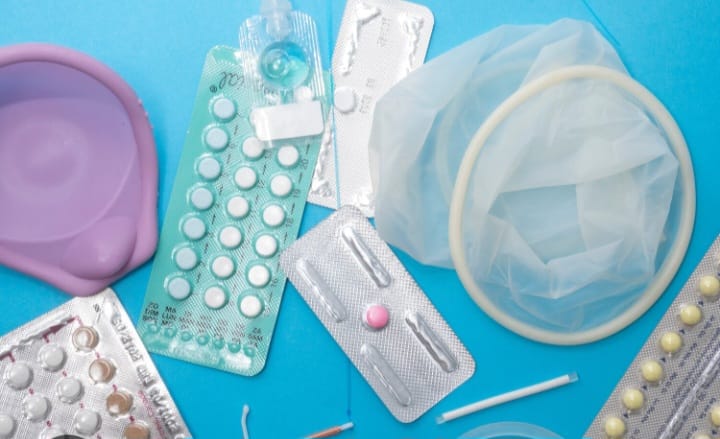
Kenya has a wide range of contraceptive methods available. These include male and female condoms, contraceptive pills, injectable contraceptives, implants, intrauterine devices (both hormonal and non-hormonal), and permanent methods such as tubal ligation for women and vasectomy for men.
While self-care methods like condoms and emergency pills give people privacy and convenience, health workers remain essential.
They provide counselling, accurate information, and access to a broader choice of methods. The fact sheet explains that an informed choice means “individuals have access to accurate and comprehensive information about all available contraceptive methods, including their side effects, and the ability to make choices that best meet their needs.”
Emergency contraceptive pills are highlighted as a critical option, especially for women in vulnerable or marginalised situations.
These include women who have experienced forced or unwanted sex, or those who cannot easily reach clinic-based services due to age, displacement, or other barriers.
“Unlike other family planning methods, emergency contraceptives must be used as soon as possible and within a short period of time after unprotected sex to effectively prevent pregnancy,” the factsheet notes.
The fact sheet also highlights the importance of postpartum family planning. This refers to contraceptive services offered after childbirth or following an abortion. It supports both the mother and child during the first year after delivery. It helps women recover, space future births, and prepare for safe pregnancies ahead.
Data from the 2022 Kenya Demographic and Health Survey paints a detailed picture.
Almost everyone in Kenya, 99 per cent, has heard of at least one modern contraceptive method.
Among married women, six in ten use contraception. Of these, 57 per cent use modern methods, while six per cent rely on traditional ones.
The most popular methods are injectables (20 per cent), implants (19 per cent), and pills (8 per cent). Among sexually active unmarried women, condoms are the most commonly used method.
Over time, the use of modern contraceptives has grown, with implants seeing the sharpest rise. But use is uneven.
It increases with education and household wealth and varies across different regions of the country. Most women, about 62 per cent, get their contraception from public health facilities. A third uses private providers such as pharmacies or clinics.
Even with progress, many women still lack access to the contraception they want. According to the fact sheet, one in seven married women who wish to avoid pregnancy is not using any form of contraception. The reasons vary.
About three in ten stop using contraception because they want to get pregnant, while two in ten cite concerns about side effects or health.
The figures reveal an unmet demand: “Of every 100 married women, 76 want to either avoid or delay a pregnancy. However, only 62 of these women are currently using contraception.”
Nearly half of the women not currently using contraception, 48 per cent intend to use it in the future. If every woman who wanted contraception could access it, the rate among married women would rise to three in four.
Family planning services in Kenya are provided through multiple channels. The public sector, mainly government facilities, offers affordable services with a wide reach.
The private sector, including pharmacies, clinics, and hospitals, expands convenience and choice. Non-governmental organisations and development partners play a major role in bridging gaps, driving outreach, and supporting innovation. Communities and households also matter. They help foster acceptance, informed choice, and shared responsibility.
Kenya has set targets under the FP2030 initiative. The goal is to raise modern contraceptive prevalence from 56.9 per cent in 2017 to 64 per cent by 2030.
At the same time, the country aims to reduce the unmet need for contraception from 14 per cent to 10 per cent. The government says these commitments are key to achieving sustainable development. They also ensure that family planning remains central to health and rights agendas.
As Kenya joins the world in marking World Contraception Day 2025, the call is clear: make contraception accessible to all.
For Stellamaris and Joyline, that call is deeply personal. They want services available, stigma removed, and girls empowered to make their own choices.
Their stories remind the country that behind every statistic is a life, a dream, and a future shaped by access to contraception.