 Laisamis
residents during
an indigenous
communal land
rights training
on Monday
/ STEPHEN
ASTARIKO
Laisamis
residents during
an indigenous
communal land
rights training
on Monday
/ STEPHEN
ASTARIKO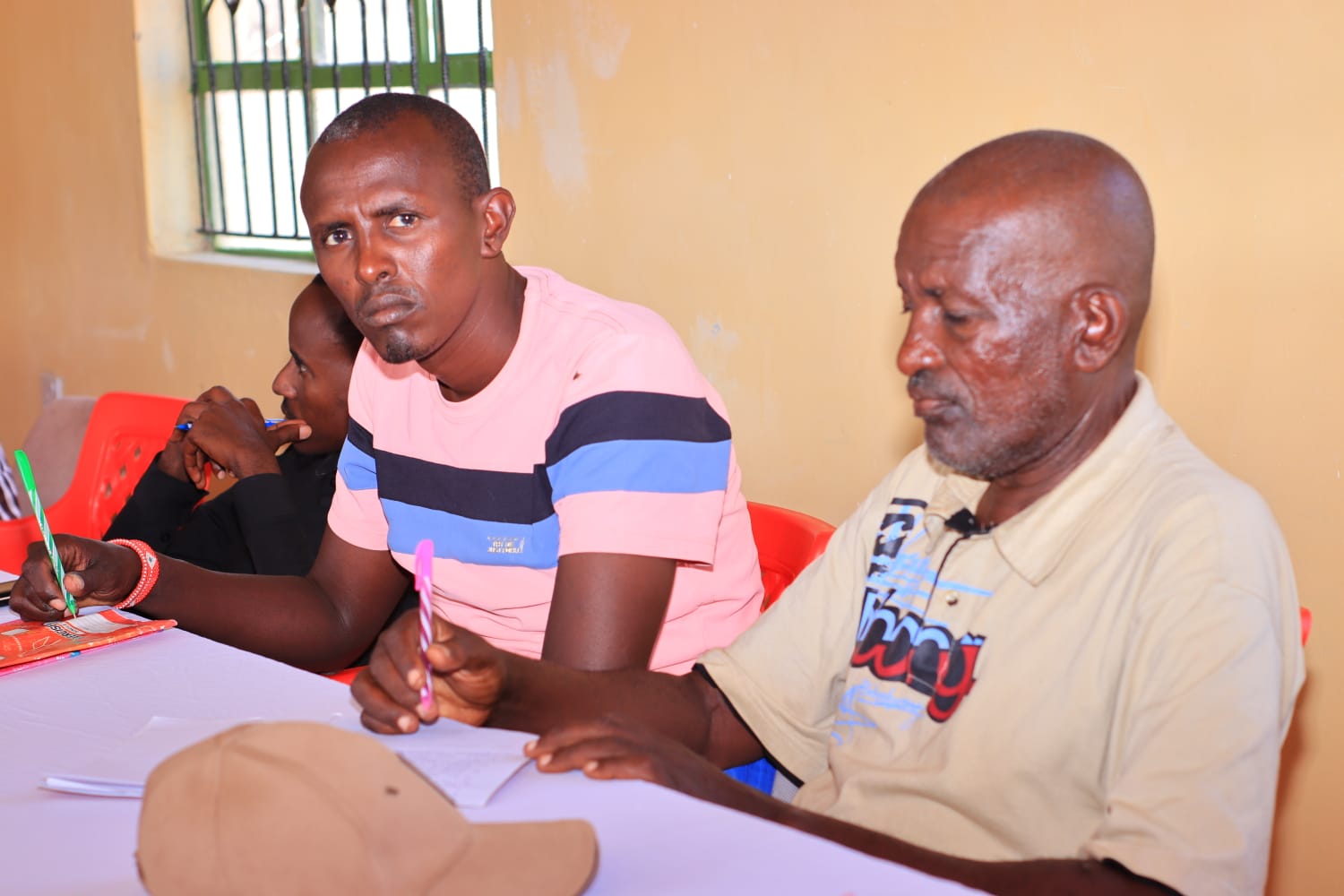 Members
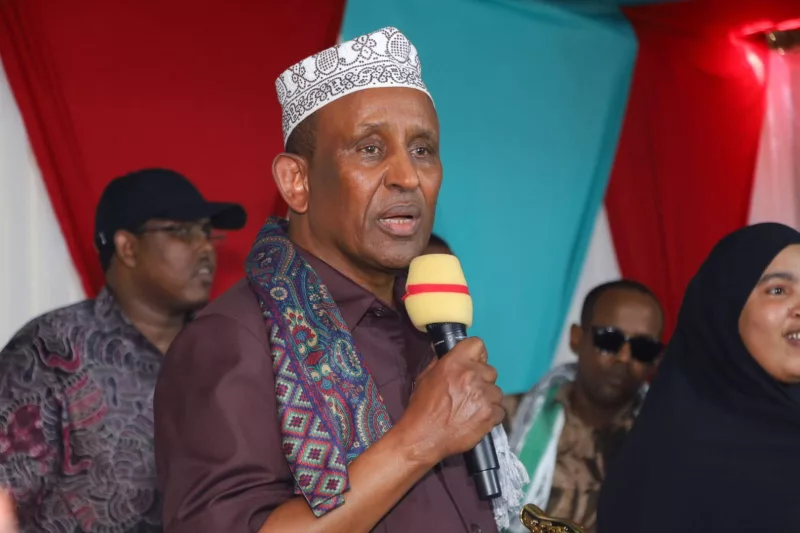
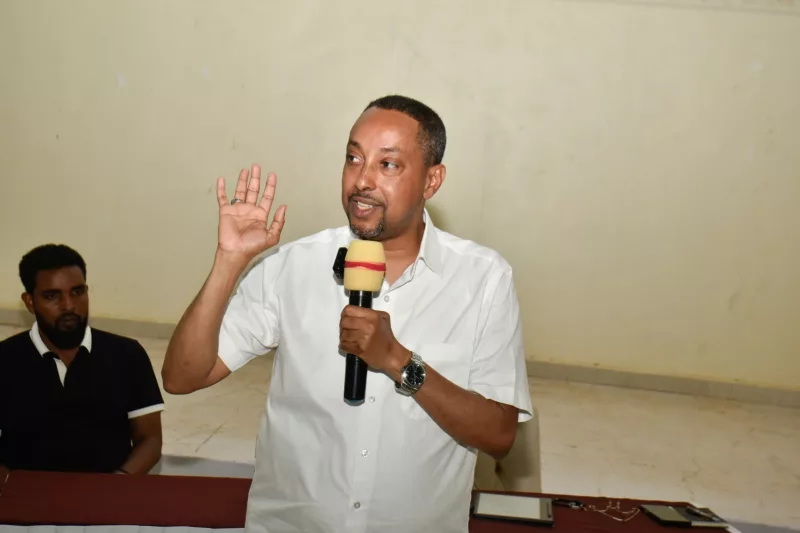
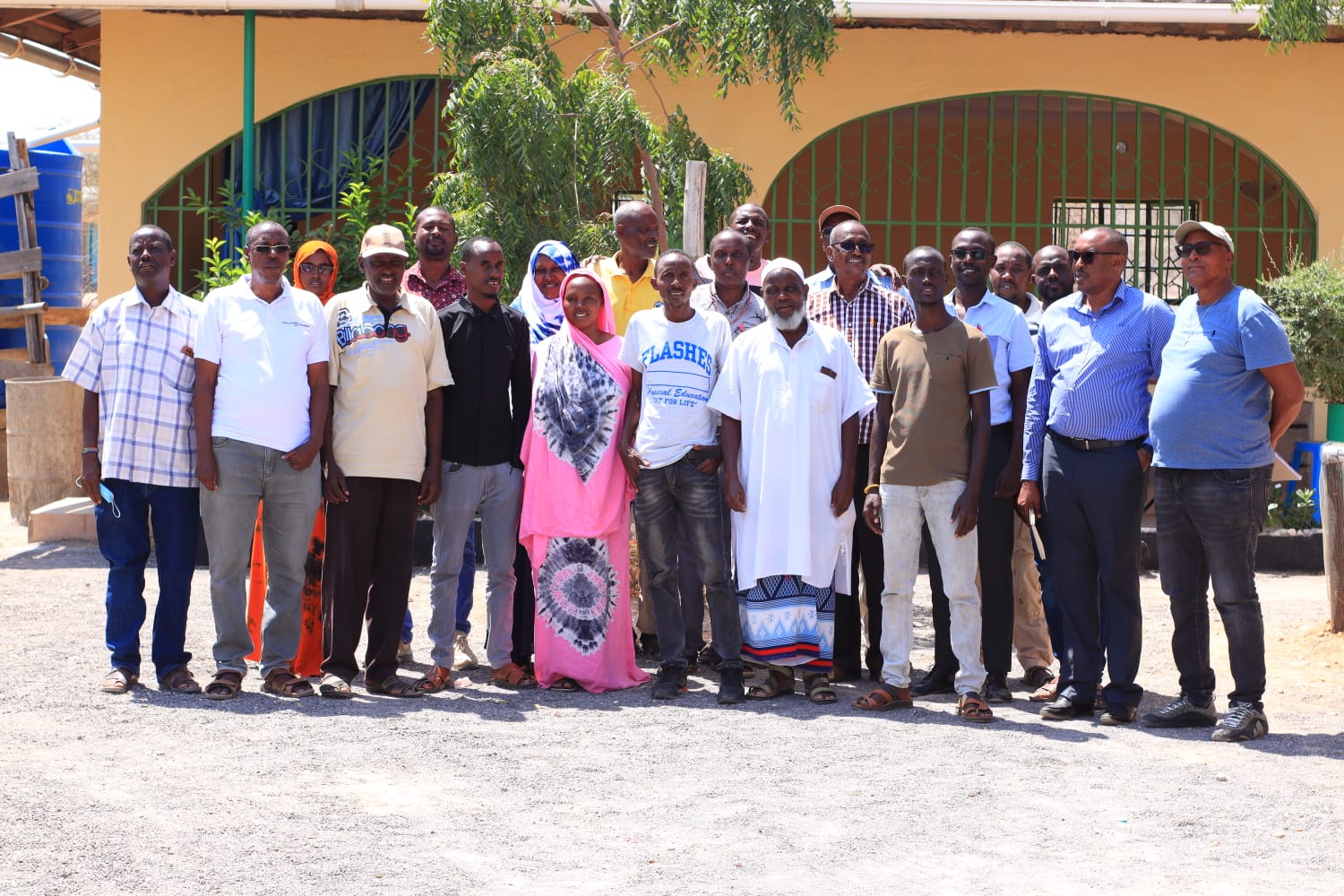
from the Laisamis community during an indigenous communal land rights training on Monday/STEPHEN ASTARIKO
Members
from the Laisamis community during an indigenous communal land rights training on Monday/STEPHEN ASTARIKO
Pastoralists in Laisamis, Marsabit County, are demanding that investors seeking to exploit the region’s vast resources respect their right to free, prior, and informed consent, warning that they will oppose projects that exploit them.
Their demand was clear in Laisamis town on Monday during an Indigenous Customary Communal Land Rights workshop convened by the Rebuilding Pastoralists Livelihoods Organisation (Repal).
Elder Rev Joseph Lesioloi said lessons of non-consent from communities are fresh and painful. He cited the whirling blades of Marsabit’s wind farms, vast carbon projects and mineral ventures that promised much but delivered little to the people.
“Lack of proper consultation opened the door for exploitation when our land was taken for the wind power project in 2017. Hundreds of families lost grazing land, yet their voices were ignored,” he said.
“Climate justice cannot be imported. It must start with the people who live on the land. If they are ignored, the transition is neither green nor just.”
Local leaders agreed. Laisamis MCA Daniel Burcha said while county land and wind potential have been turned into commodities, ordinary residents remain excluded from real decision-making.
“Companies rarely engage residents on benefit-sharing. Investors meet a few elites in Nairobi boardrooms and call that consent, while ordinary people get nothing,” he said.
“Projects are signed without community involvement. If there were genuine consultation, these deals could be fair and sustainable,” Burcha said.
“From now on, all projects must follow due procedures—from site identification to monitoring—with full community involvement. FPIC is not optional, it is our safeguard.”
For Repal, the push for awareness is urgent. Programmes manager James Orre said most residents know nothing of FPIC, which is based on international human rights law.
“FPIC demands that affected communities are properly consulted and give their approval before any project begins,” Orre said.
“Yet in practice, it has often been ignored here.” He said every project must incorporate it, or no deal.
The workshop brought together leaders, administrators, civil society and residents.
In Turkana, Kenya’s oil boom sparked protests when residents were locked out of most jobs and denied access to the realities. In Kitui, the Mui coal project collapsed amidst fierce community resistance.
In Mau Forest, the Ogiek community secured a landmark 2017 ruling from the African Court of Human and Peoples’ Rights, affirming their land rights and setting one of the continent’s clearest precedents on FPIC.
A 2024 displacement study by the Internal Displacement Monitoring Centre underscored the stakes, revealing that more than one million Kenyans were uprooted by projects linked to climate stress and large-scale infrastructure.
For the people of Marsabit, the message is clear: development without consent is no longer acceptable.
Instant analysis
Marsabit pastoralists’ demand for informed consent underlines a growing fault line between the government and the people. Kenya’s green and extractive projects expand faster than frameworks for consent and equity. Free, prior and informed consent is not an abstract human rights principle but a political demand determining whether communities adopt or resist investment. Residents say demands without transparency and real dialogue mean climate-friendly and resource-rich projects risk backfiring. Investors may win short-term contracts, but without consent, they may fail.