In a bold and transformative move to reshape Kenya’s approach to security and governance, the government launched Jukwaa la Usalama.
The programme is a nationwide initiative designed to foster dialogue, build trust, and improve coordination between citizens and security agencies.
Spearheaded by the Ministry of Interior and National Administration, this platform has, since its inception in April, rapidly grown into a powerful engine for civic engagement, reaching 37 counties to date.
Now heading into its most ambitious stretch yet, the Jukwaa la Usalama caravan is embarking on a week-long tour across the six counties of the Nyanza region, beginning Thursday.
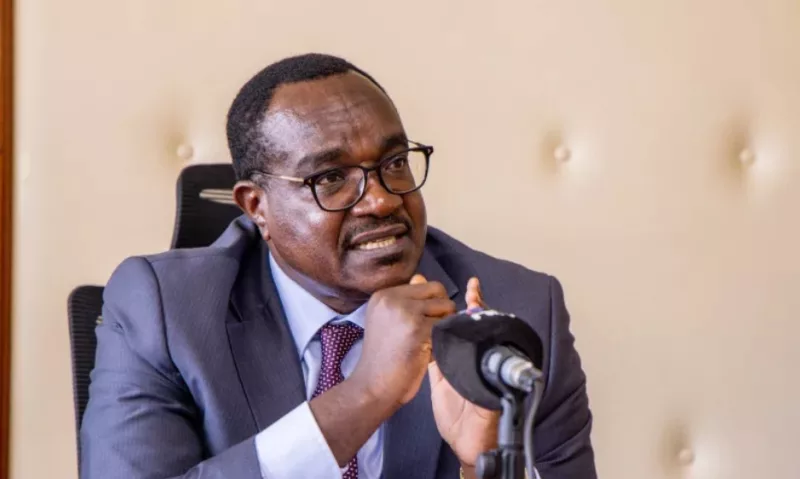
The tour kicks off in Nyamira County, where Interior Cabinet Secretary Kipchumba Murkomen, accompanied by Nyanza Regional Commissioner Flora Mworoa, will preside over the forums.
The team will then move to Kisii County on Friday, pause over the weekend, and resume on Monday in Migori, followed by Homa Bay on Tuesday, Siaya on Thursday, and finally conclude the Nyanza circuit on Friday in Kisumu County.
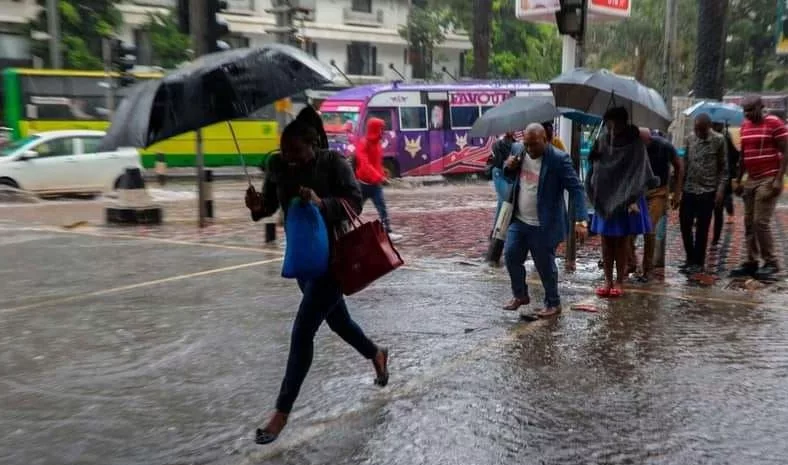
In addition to addressing security concerns, the meetings will focus on disaster preparedness, a priority as the country continues to grapple with the impacts of climate change, including floods, landslides, and other emergencies that frequently affect parts of the Nyanza region.
Once this leg is complete, Murkomen will be left with only four counties to cover, bringing the Ministry closer to full national outreach under this landmark programme.
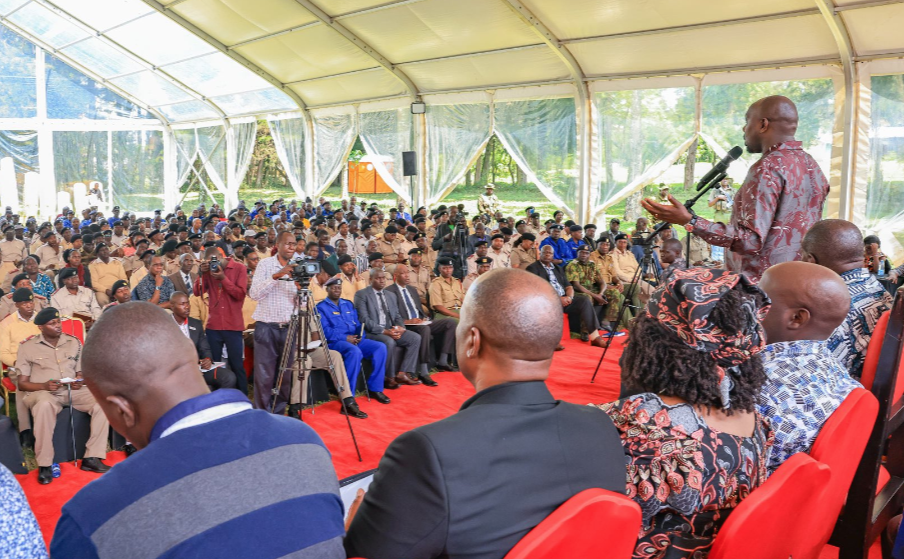
At its core, Jukwaa la Usalama is a community-centred security forum designed to bring together a diverse group of stakeholders—residents, National Government Administrative Officers (NGAOs), police officers, civil society organisations, and elected leaders—to have open, honest, and solution-oriented discussions about safety and service delivery in their counties.
Unlike traditional top-down models of security management, this initiative emphasises participatory governance, placing citizens at the heart of decision-making.
The forums provide safe, inclusive spaces where community members—including elders, youth, women’s groups, religious leaders, and local officials—can express their views and work collaboratively with security and administrative personnel.
This shift toward dialogue, empathy, and mutual accountability is seen as critical to restoring public trust in government institutions and law enforcement agencies.
The engagement programme is structured around three key components.
First, stakeholder meetings involve consultations with NGAOs, regional and county security committees, as well as one-on-one discussions with governors, Members of Parliament (MPs), Members of County Assemblies (MCAs), and other local leaders.
Second, public engagement forums take the form of town hall-style meetings that include participation from representatives of government departments such as NACADA, the Registrar of Persons, Immigration, and Civil Registration, alongside members of the general public.
Finally, site visits to national projects enable senior government officials to assess the progress of national development initiatives and address any concerns raised by the community directly.
The forums focus on a broad spectrum of development priorities, including infrastructure, healthcare, education, security, and economic empowerment.
Jukwaa la Usalama marks a pivotal departure from Kenya’s traditional security strategies.
It moves away from enforcement-heavy models to a preventive and community-owned model that is informed by lived experiences on the ground.
This is not only about responding to crime but building resilient, cohesive communities where security is co-produced by both the state and its citizens.
“The initiative is also about policy feedback and refinement. Insights gathered through the forums are carefully documented and analysed to inform national policy, guide budget priorities, and improve service delivery at both the county and national levels,” a concept note by the Ministry of Interior stated.
"By early September 2025, the forums have reached approximately 22 counties, spanning: 14 counties in Coast and Eastern, 5 counties in Central, 3 counties in Western, and 1 county in Rift Valley. This represents close to half of the national tally (47 counties) within five months of launch, reflecting commendable speed and commitment."
The Ministry has identified several key outcomes expected from the ongoing County Engagement and Fact-Finding Missions.
These missions will enhance the capacity of NGAOs to communicate government programs to the public more effectively, leading to a better understanding of government projects.
By engaging directly with communities, the government aims to foster stronger civic involvement and rebuild public trust in institutions.
The collection of real-time data and feedback will provide clear and actionable insights to refine policies and improve service delivery mechanisms.
Additionally, improved coordination between national and local security teams will strengthen their ability to respond to emerging threats, thereby enhancing security and governance.
Finally, direct observations and feedback from the community will help identify bottlenecks in development initiatives, ensuring the effective implementation and timely delivery of national projects and public goods.
As the Jukwaa la Usalama meetings continue to unfold, they are rapidly emerging as a cornerstone of Kenya’s new governance model—one that prioritises transparency, inclusiveness, and accountability.
This approach not only helps solve immediate security concerns but also addresses the root causes of instability, such as unemployment, exclusion, and ineffective governance structures.
By bridging the gap between the state and the citizen, the forums are setting the stage for long-term peace, development, and trust.
With the upcoming Nyanza tour and just four counties remaining, the Ministry of Interior is on track to complete a comprehensive national engagement.
The lessons and feedback collected across Kenya are expected to shape policy discussions leading up to future national security summits and influence government planning well beyond the current administration.