The United Nations Environment Programme has urged nations to eradicate mercury-containing cosmetics.
It says hundreds of millions of people globally use skin-lightening products.
The use of skin-lightening products is promoted by media, advertising and marketing that often reinforce the bias that a lighter skin tone is more desirable than a darker one, UNEP says.
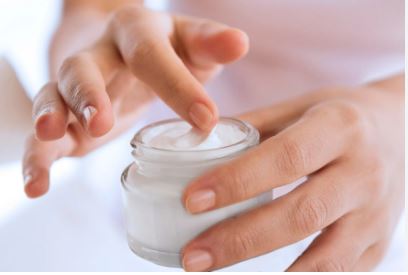
Skin-lightening products may contain harmful ingredients including steroids, hydroquinone and toxic mercury compounds, that not only damage the skin but can also lead to serious health concerns.
Many cosmetic products still contain mercury to increase their whitening effect.
Skin-lightening soaps and creams are especially popular in Africa, Asia, and the Caribbean.
Such cosmetics represent one of the fastest-growing parts of the beauty industry.
Mercury is a popular ingredient because it blocks the production of melanin, the pigment that gives skin its colour.
WHO says mercury can also lead to discolouration and scarring while compromising the skin’s resistance to infections.
At high levels, mercury can cause liver and kidney damage, neurological problems, depression, and developmental delays in children.
The concentration of mercury in skin-lightening products can vary based on manufacturing standards and labelling discrepancies, making it difficult for consumers and authorities to identify mercury in these products.
“The addition of mercury to cosmetics has created a public health crisis–one that too often is overlooked,” says Monika Stankiewicz, the executive secretary of the Minamata Convention, a global treaty designed to protect people and the environment from mercury.
“But there is a growing desire to stamp out these products, which is crucial to safeguarding the health and welfare of countless people around the world.”
GEF CEO and chairperson Carlos Manuel Rodríguez said, “The GEF is proud to help countries turn the Minamata Convention’s commitments into practical solutions that safeguard lives, restore ecosystems, and support communities."
"Through planetGOLD, artisanal and small-scale miners are making important progress to break free from mercury and access better technologies to produce mercury-free gold and sell it through formal markets. These are important changes that directly affect peoples’ lives as well as environmental conditions across the countries we support."
"We look forward to ongoing ambitious work to reduce mercury emissions from industry, shift away from mercury use in artisanal and small-scale mining, and eliminate mercury from skin lightening and other products—these GEF-funded initiatives are fundamental to building a healthier and safer future."
On August 16, 2017, nations adopted the Minamata Convention on Mercury.
The treaty was named after Minamata Bay, Japan, where mercury pollution killed hundreds and sickened millions during the 1950s and 1960s.
The Convention explicitly bans the manufacture, import, and export of mercury-added cosmetics.
Today, more than 150 nations are working together to reduce mercury pollution.
The sixth meeting of the Conference of the Parties (COP-6), which will take place from November 3 to 7, in Geneva, Switzerland.
It will address challenges that parties face in implementing the convention, such as trade control, waste management, and mercury use in cosmetics, dental fillings, artisanal and small-scale gold mining, and industrial processes.
To help counter the often-harmful effects of mercury, UNEP launched a project entitled “Eliminating Mercury Skin Lightening Products” in 2021.
Funded by the GEF and executed in partnership with the WHO and the Biodiversity Research Institute, it aims to help governments stamp out the use of mercury-laced cosmetics across three pilot countries.