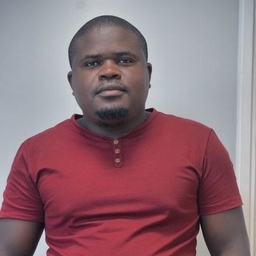

The Senate this afternoon begins proceedings against Kericho Governor Dr. Eric Mutai, who was impeached last week by the County Assembly.
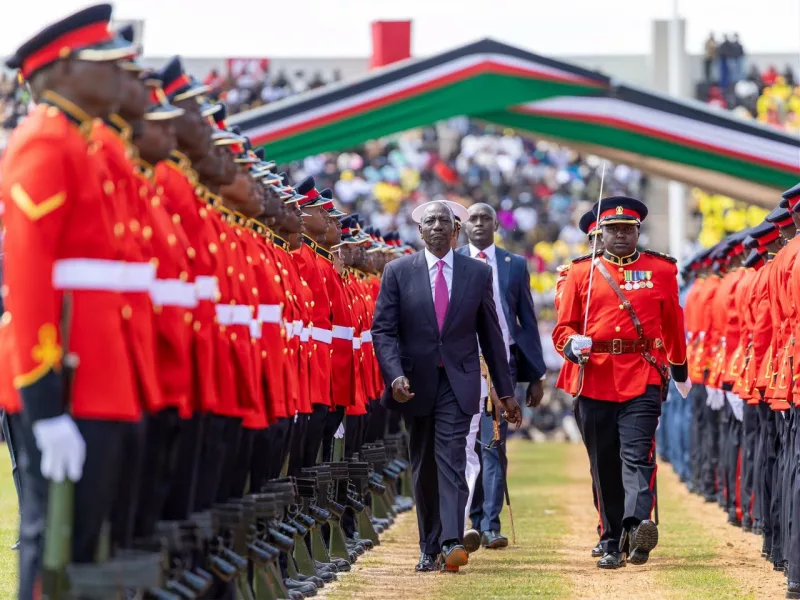
Beyond the governor’s fate, however, the session is widely seen as a test of the Senate’s credibility following remarks by President William Ruto, who recently likened the chamber to a “Soko Huru” (free market) for bribery.
The President’s comments have cast a shadow over the impeachment process, fueling debate on whether senators will base their decision strictly on merit or whether political and financial considerations could come into play.
Senate Majority Leader Aaron Cheruiyot is expected to move a motion to establish an 11-member special committee to examine the allegations against Dr. Mutai. However, going by recent precedents, senators may opt to hear the charges in plenary, a process viewed as more transparent but often politically charged.
The charges facing the Kericho governor include alleged mismanagement of public resources, irregular payments to contractors, contravention of public finance management laws, and violations of the County Governments Act.
This is the second time within a year that Dr. Mutai has faced impeachment, with the most recent motion receiving the support of 33 out of 47 MCAs.
Speaking to the press in Kericho on Saturday, the governor denied any wrongdoing, dismissed the impeachment as illegitimate, and insisted that no fair vote had taken place.
“There was no impeachment in Kericho. We raised our issues on the floor of the House in person. We already knew that nine staff of the County Assembly had been given the link to pre-vote,” he alleged.
The governor described the voting process as irregular and predetermined.
“At the beginning of the voting, it began with six votes, then it went to around 20-something, and in a short time, it jumped to 32, then 33. It confirms what these MCAs have been saying: the results were already decided before the process began,” he claimed.
Mutai also questioned the use of an SMS-based system, arguing that a physical count of the 47 members would have been more transparent.
According to a gazette notice issued by Senate Speaker Amason Kingi, Wednesday’s sitting at 2:30 p.m. will feature three agenda items: the swearing-in of Consolata Nabwire, the hearing of charges against Governor Mutai, and adjustments to the Senate calendar.
The Senate has seven days to investigate the allegations before convening a formal trial on August 28 and 29, during which the governor will have an opportunity to defend himself.
While the procedure is clear on paper, uncertainty lingers over how the chamber will handle the process amid the backdrop of corruption accusations.
Nandi Senator Samson Cherargei expressed confidence that the Senate will act impartially.
“We deal with cases that come to the House on merit, case by case. The decisions are made by members devoid of other external interests,” he said.
Kisii Senator Richard Onyonka, however, took a different stance, pointing to what he described as longstanding challenges within Kenya’s governance system.
“I have been talking about corruption for the last ten years in parliament. I don’t understand why people look shocked. Everything I said has come to pass,” he noted.
Narok Senator Ledama Ole Kina was more direct, arguing that the Executive should also be subjected to scrutiny.
“Let’s cut the crap and open the Pandora’s Box on the Social Health Insurance Fund. The real benefactors will shock you to the core. Mirror, mirror on the wall, who’s the most corrupt in Kenya?” he remarked.
The impeachment proceedings therefore extend beyond Kericho. They spotlight a Senate navigating between its constitutional duty to ensure accountability and public skepticism over its integrity.
How senators handle Governor Mutai’s case will not only determine his political future but also send a broader signal about whether the Senate can maintain public trust at a time when its moral authority is under question.