Janet Musimbi rarely ate indigenous vegetables simply because she did not know how to cook them.
But once the Kiambu resident discovered their nutritional values, she decided to learn how to cook them.
“Besides learning how to cook the vegetables, I have also discovered that they are good for blood and can help prevent diseases such as diabetes,” Musimbi said.
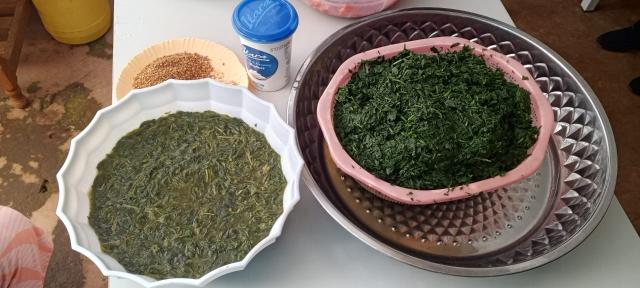
Today, she grows and cooks managu (African nightshade) and mrenda (jute mallow), thanks to training by the Jomo Kenyatta University of Agriculture and Technology (under the NRF-Upscale African Indigenous Vegetables (AIVs) project.
Musimbi is among participants who were taught standardised recipes for African indigenous vegetables at the Githunguri Health Centre.
Teen mothers also attended the event.
Charles Maina, a farmer and community health worker in Githunguri, was also trained through the project.
“We had participants from hotels, schools, hospitals and farms. At my clinic, we noticed many teen mothers did not eat enough vegetables. Those who did preferred spinach, cabbages or carrots,” he said.
Earlier this year, during the dry season, indigenous vegetables thrived because they are drought-resistant.
“They are also profitable due to their high nutritional value and growing demand,” Maina said.
Patrick Kavagi from Jkuat urged households to set up kitchen gardens and plant the traditional vegetables.
He said the project also promotes use of the Black Soldier Fly, technology that is good manure for growing healthy and quality indigenous vegetables.
“The insect feeds on kitchen waste, produces organic manure in just six weeks, much faster than the three to six months needed for traditional compost,” Maina said. “This is what is called smart technology.”
Kavagi said they use the manure to grow African Indigenous Vegetables and have developed different varieties with significant nutritional benefits.
He said proper cultivation is key to reaping the nutritional value of these vegetables.
“If you grow them in poor conditions, you won’t harvest quality produce. But if you use nutrient-rich organic matter, such as food waste, the results will be much better,” Kavagi said.
Edward Okemwa, a medic at Githunguri Health Centre, said the vegetables have even replaced some supplements for patients.
“We used to give Vitamin B6 tablets alongside TB medication, but when these were unavailable, we referred patients to farmers like Maina, who encouraged them to eat greens rich in the vitamin,” he said.
Okemwa said this approach has been highly effective in supplying patients with essential nutrients, making it a better and more sustainable option than relying solely on supplements.
“We are very grateful for this project and hope it can be extended to other hospitals, as we have 13 more health facilities in Githunguri that offer TB treatment,” he said.
Dr Anne Musotsi, who leads recipe promotion under the project, said the knowledge of cooking indigenous vegetables is fast fading.
“Most Gen Zs do not know how to cook these vegetables, which is why we developed these recipes, to teach others in a way that can be accessed by the present and future generations,” Musotsi said.
Many people cook the vegetables incorrectly, destroying much of their nutritional value. This is why the project includes cooking demonstrations.
“Nightshade [manage] and jute mallow [mrenda] can be harvested and eaten over a long period, which makes them ideal for bhome consumption and sale,” Musotsi said.
Prof Mary Abukutsa-Onyango, from the Department of Horticulture and Food Security at Jkuat, said they have developed several technologies over the past 10 years, but have not been widely adopted by farmers and policymakers.
She said the project also provides seeds and guidance on cultivation, while aiming to influence younger generations, including Gen Z, to consume indigenous vegetables and promote them via social media.
Abukutsa stressed that the promotion of AIVs is driven by the rising consumption of unhealthy fast foods and the low intake of vegetables.
“Indegenous vegetables thrive in our soils, nourish our bodies and support the local economy. For pregnant women, they provide essential nutrients such as folic acid, iron and calcium, which are crucial for the mother and baby,” she said.
Abukutsa urged Kenyans to embrace indigenous vegetables, celebrate their diversity and harness their potential for a healthier and more prosperous future.
Jkuat deputy vice chancellor Robert Kinyua called for more investment in Africa’s traditional crops to boost food security, improve health and promote environmental sustainability.
“These crops are vital in addressing climate change challenges. Yet, they receive far less research funding and policy attention compared to staple crops such as maize and wheat,” he said.
Kevin Kofi, AVIs project coordinator said orphan crops such as fonio, bambara groundnut and African indigenous vegetables thrive in drought, salinity and heat, making them ideal for marginal areas affected by climate change.
“They also help fight malnutrition and boost local economies,” he said. “However, despite their potential, orphan crops still face major challenges, including limited research, lack of standardised cultivation methods and weak market integration.”
Kofi said researchers need to adopt multidisciplinary approaches, integrate these crops into farming systems, develop value-added product and increase consumer awareness.
Currently, 12 PhD students, 32 MSc students, 10 academic staff and 10 other trainees are receiving training in plant breeding, food technology and nutrition under the Orphan project.
The initiative is funded by the European Union’s Intra-Africa Academic Mobility Scheme and involves African universities including JKUAT, Nangui Abrogoua University, University of Abomey-Calavi, Ebonyi State University, University of Zimbabwe, and the Catholic University of Louvain.
Instant analysis
African forgotten crops or often called orphan, neglected, or underutilized crops, are traditional plants that were once widely cultivated but now receive little attention from researchers, policymakers, and commercial markets. They include crops like sorghum, millet, cowpea, amaranth, African yam bean, and indigenous leafy vegetables like spider plant and African nightshade. These crops are highly nutritious, adapted to local climates, and often more resilient to drought, pests, and poor soils than major staples like maize and wheat.