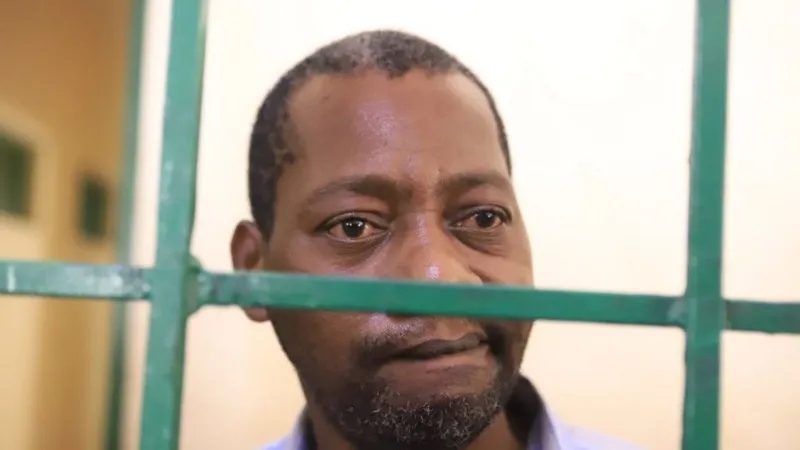
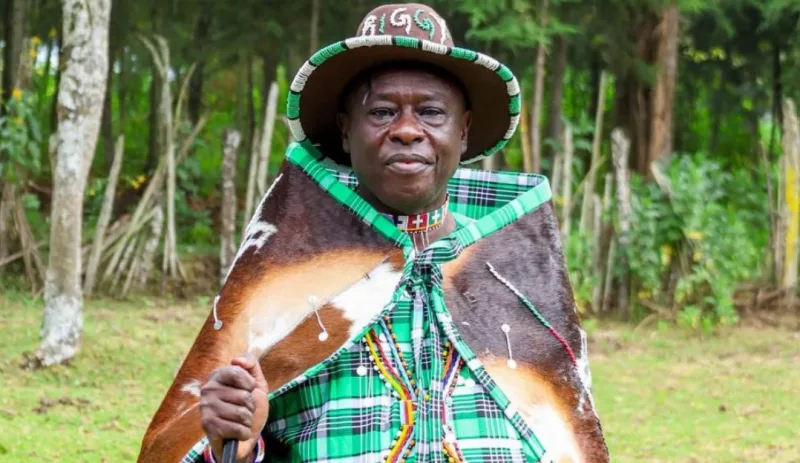
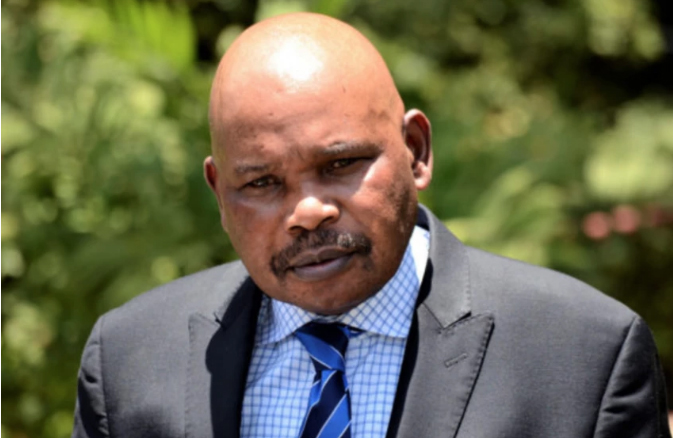
 Prof. Makau Mutua /File
The government will from next month begin compensating victims of police brutality, in what is being billed as one of the most decisive responses to rights violations in recent years.
President William Ruto’s Senior Advisor on Constitutional Affairs, Prof Makau Mutua, who is spearheading the initiative, told the Star he is racing against time to establish a compensation committee to start processing claims.
In a politically significant move, Ruto tapped Makau — a close ally of opposition leader Raila Odinga — to oversee the process. The appointment comes as a notable nod to Raila, who for years has made victim compensation a central rallying call during his campaigns and public addresses.
The committee, expected to have fewer than 10 members, will be in place next week and begin work immediately.
“This is not something that should take us a century,” Makau said, signalling urgency in addressing an issue long championed by victims’ families, civil society groups and human rights defenders.
Historically, regions such as Nyanza, Western, Nairobi and parts of the Coast bore the brunt of police crackdowns in 2017 and 2023, when Raila led nationwide anti-government protests.
However, the recent Gen Z-led demonstrations shifted the epicentre of violence to Central Kenya, where security forces were accused of using excessive force that left dozens dead and many more injured.
Makau assured that his team will reflect the country’s diversity.
The plan will cover families of those killed and survivors left with life-altering injuries during past security crackdowns.
The move is a major relief for devastated families and individuals, some permanently confined to wheelchairs, who have long sought justice.
Announcing the plan, President Ruto said his administration will consider victims from 2017 to date.
The restorative justice initiative will also compensate police officers who died or sustained injuries during unrest and anti-state protests.
In an exclusive phone interview, Makau said his team will not wait for all claims to be verified before making payments.
“My team will receive claims, identify and verify them, then proceed to compensate victims immediately after verification,” he said.
“We will not wait to identify all claimants before compensating; we will pay as soon as each claim is confirmed. I think within a month or so, the first victims can expect compensation. This is not something that should take us a century.”
The landmark move marks the first tangible step towards addressing decades of excessive force and impunity.
Makau said he is finalising the committee’s formation and terms of reference, a process expected to conclude in days.
Once constituted, the committee will conduct cross-county consultations to gather views from Kenyans, especially victims of police violence.
“What I can tell you is we will engage Kenyans, but since the mandate concerns fatalities and serious injuries, much of the data is already known,” he said.
The initiative will draw heavily on records from the Independent Policing Oversight Authority, the Kenya National Commission on Human Rights, the National Police Service and civil society organisations.
“It will not be difficult to crosscheck the data,” Makau said.
A team of statisticians, doctors, law enforcement officers and civil society representatives will verify the information before payments are made.
Makau added that the committee will balance global human rights standards with economic realities and available resources when determining payouts.
“The committee will determine the quantum. International standards exist and we will study them in setting the amounts,” he said.
The compensation framework, expected in the coming weeks, is seen as a litmus test for the government’s commitment to justice and accountability.
The team has 120 days from the proclamation date—August 6— to complete its work.
The Office of the Attorney General, Ministry of Interior, National Treasury and other agencies will support the process.
After his appointment Makau defended the government accusing some political leaders of hypocrisy and “playing cruel politics” with the suffering of citizens.
He accused unnamed “rich and powerful politicians” of opposing the initiative despite having championed similar calls in the past.
According to Makau, their resistance is “cynical” and driven purely by “greed for power” and animosity towards the President.
“They hate the President so much that they would rather deny victims and their families recompense to ease their pain and bring a measure of justice,” he said, naming Wiper leader Kalonzo Musyoka, DAP-K leader Eugene Wamalwa and former Makueni Governor Kivutha Kibwana as among those opposing the plan.
“This is playing cruel and callous politics with our vulnerable citizens,” Makau said. “Your beef with the government and lust for power shouldn’t blind you to the suffering of the victims.”
Makau dismissed criticisms questioning the legality of the compensation framework, which was set up through an executive proclamation issued by President Ruto on August 6, 2025.
INSTANT ANALYSIS
For many led by human rights defenders, the payouts signal more than financial relief, they are a long-awaited acknowledgement by the state that the lives lost to police bullets mattered. Moving to compensate the victims, the Kenya Kwanza becomes the first administration in post independent Kenya to implement the restorative justice.