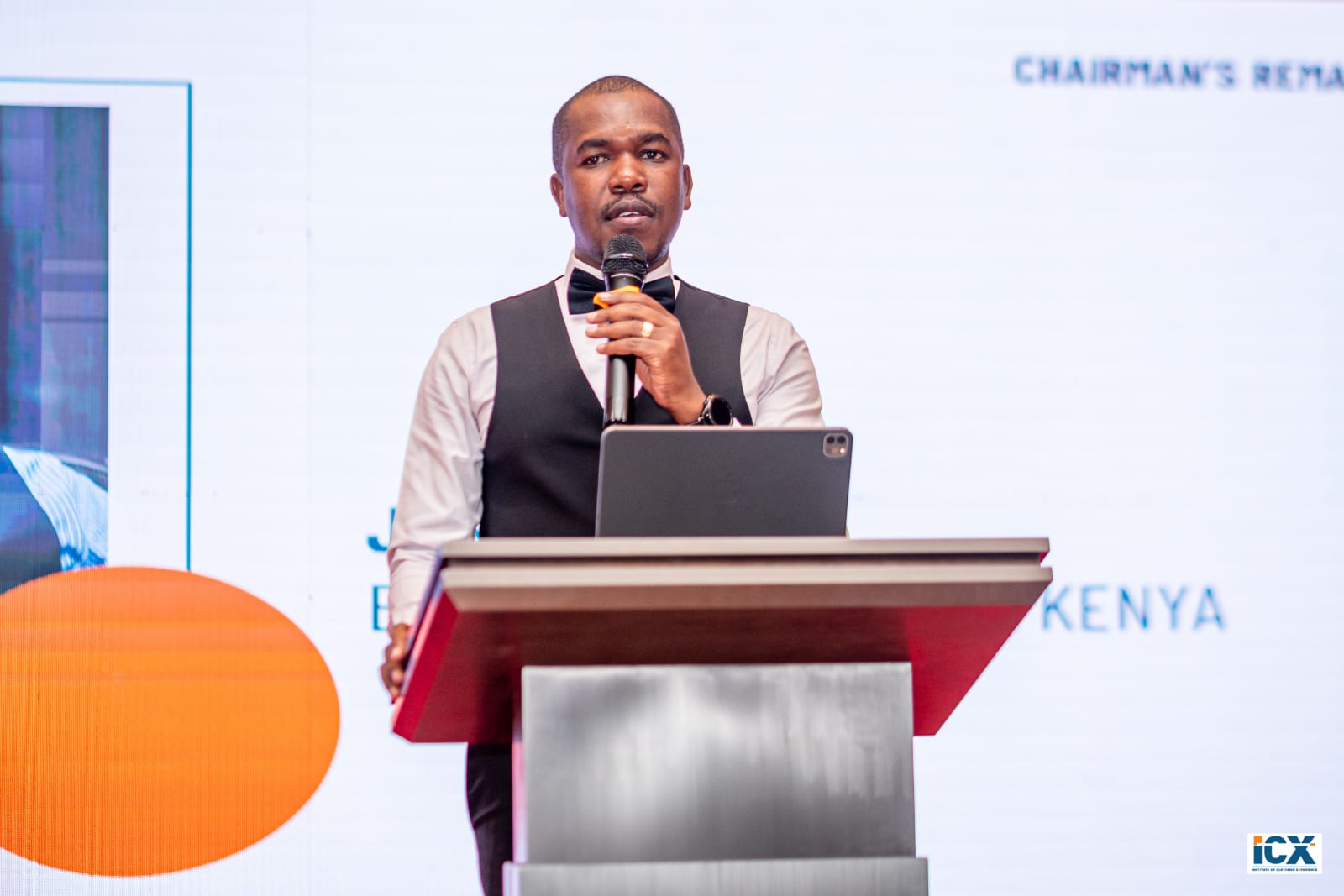
IN a world defined by rapid change and growing complexity, effective leadership has never been more essential. Whether guiding teams through uncertainty or inspiring innovation, true leaders shape the direction of organisations and communities alike. In this exclusive interview, we sit down with Joseph Choge, Chairman, Board of Directors- Institute of Customer Experience Kenya (ICX), to explore their personal philosophy on leadership, challenges and the changing times. Choge is widely recognised as a strategic leader and business turnaround expert. He is the chairman of the food and beverage sector at the Kenya Association of Manufacturers and also sits on several other boards, including the Cereal Millers Association of Kenya, Canopy Life NGO Kenya and is chairman of the board at Peak and Dale Group.
Tell us about yourself— who is Joseph Choge beyond the executive title?
I am someone who believes in the transformative power of people and purpose. Beyond the executive title, I am a father, mentorand passionate advocate for creating lasting value in every role I take on. I am energized by innovation, inspired by resilience and committed to being a bridge between strategy and real-life impact. I also believe in the importance of taking time to connect with nature and reflect.
Where did you grow up and how did your early experiences shape the leader you are today?
I grew up in Kitale, raised in a household led by educators who instilled in me the values of integrity, discipline and excellence. It was a simple but structured environment, one where expectations were high, not just academically, but morally and socially. The experiences from my upbringing have continued to guide and shape my leadership path.They taught me the value of listening before leading, the importance of consistencyand the power of relationships. Growing up in a community where people looked out for one another gave me a deep appreciation for collective growth.
Tell us a bit about the Institute of Customer Experience Kenya?
ICX Kenya is the country’s premier professional body for customer experience practitioners. We are committed to elevating customer experience as a strategic business function, not just a service or department. The Institute brings together individuals and organisations that believe putting the customer at the heart of the business is not just good practice, it is smart strategy. As Chair of ICX, I have had the privilege of guiding our growth into a thought leadership hub.
You have led top-performing organisations across sectors. What, in your view, does it take to lead successfully in today’s fast-changing business environment?
Successful leadership today demands a delicate balance between agility and consistency. Agility to respond to change, seize new opportunitiesand adapt business models. Consistency in vision, values, and execution. You have to be willing to unlearn, relearnand constantly recalibrate your approach without losing sight of the bigger picture. Equally important is emotional intelligence. Leaders must understand and manage not just market shifts, but people; their motivations, fears, emotions and potential. The best strategies will fail if the people behind them are not engaged and aligned. I have learned that empowering teams, creating safetyand fostering a culture of ownership are essential for success.
How has corporate governance evolved since you first joined a board?
When I first started serving on boards, corporate governance was largely compliance-driven, that is, it focused on regulatory compliance, stewardship and governance checklists. While those fundamentals remain critical, today’s governance landscape is far more complex and strategic. Boards are expected to oversee not just financial sustainability, but also Environmental, Social and Governance (ESG), cybersecurity, digital transformation and stakeholder engagement. There has also been a notable shift in expectations around diversity and inclusion, accountabilityand ethical leadership. Stakeholders now expect boards to model the values of the organisations they govern.
What are the biggest risks companies face today and how should boards prepare for them?
Today’s risk landscape is multifaceted. Cyber threats, regulatory volatility, talent scarcity, and environmental disruption are just a few. But perhaps the greatest risk is complacency, the belief that past success guarantees future security. In a world where change is constant, companies must build resilience into their systems and strategies. Boards need to be proactive, not reactive. This means investing in risk scenario planning, maintaining diverse perspectives around the table, and embedding risk management into strategic conversations.
How is AI transforming business development and marketing in Kenya?
AI is significantly transforming how businesses in Kenya identify opportunities, understand consumer behavior, and personalise engagement. From predictive analytics to chatbots and automation, companies now have tools to reach the right customer with the right message at the right time. It is leveling the playing field for SMEs and enabling smarter decision-making at scale.
From your perspective, what are the biggest challenges and opportunities facing business leaders in Kenya and across Africa today?
One of the biggest challenges is dealing with ongoing economic, political and environmental changes. Coupled with infrastructure gaps and policy inconsistency, this can slow down growth and innovation. Additionally, leaders must contend with shifting workforce dynamics and the pressures of digital transformation.
How do you see technology transforming the future of corporate leadership, operations and growth?
Technology is no longer a support function, it is a strategic enabler. From real-time analytics to remote collaboration tools and AI-driven decision-making, tech is changing how leaders lead, how teams work, and how businesses grow. It is helping companies scale faster, serve betterand compete more effectively on global platforms. Corporate leadership must embrace this shift. We need to build tech-literate boards, invest in upskilling, and ensure that digital transformation is inclusive. Technology can humanize business when used well, it frees up time for creativity, strengthens relationships and creates new paths for growth.
As someone who has worked across diverse industries, are there any other emerging trends or shifts you believe organisations need to pay close attention to?
Yes, there are several. One is the growing demand for corporate purpose. Today’s consumers, employee and investors expect companies to stand for something beyond profit. Businesses that ignore environmental, socialand governance (ESG) principles risk becoming irrelevant or untrusted. Sustainability is no longer a luxury, it is a business imperative. Another is the evolution of work. The post-pandemic era has changed how and where people work. Flexibility, well-being, and digital collaboration are now essential to attract and retain talent. Organisations that invest in reimagining work culture and upskilling their teams will outpace those that cling to traditional models.
What key skills and leadership traits do you believe young professionals must develope to thrive in the corporate world?
Curiosity and adaptability top the list. The shelf life of knowledge is shrinking, what matters is the ability to learn, unlearnand relearn continuously.
In your experience, where do organisations often fall short in strategy and governance and how can they start to close these gaps meaningfully?
A common shortfall is the gap between strategy formulation and execution. Many organisations craft brilliant strategies but fail to build the systems, cultureand accountability needed to bring them to life. Without clear ownership and disciplined follow-through, even the best strategy remains theory. In governance, the gaps often lie in board composition and clarity of roles. Too many boards lack the diversity of thought or skills needed to challenge constructively and contribute meaningfully. To close these gaps, organisations must invest in board development, embrace transparency, and create mechanisms for continuous feedback and improvement.
We have seen a number of companies in Kenya either go into receivership or collapse. From your boardroom experience, where are such companies going wrong and how can this be avoided?
In many cases, the problems stem from delayed decision-making, weak financial controls and governance failures. Inactive boards or those that depend too heavily on management can miss signs of trouble early on. Additionally, some companies fail to adapt to changing market realities or overextend themselves without proper risk assessments. Avoiding collapse requires a culture of financial discipline, planningand candid conversations at board level. Companies must prioritise agility, ensure robust internal audits and regularly stress-test their business models.
What advice would you give to someone aspiring to serve on a corporate board?
Start by being excellent in your current role. Build depth in your industry, develope a reputation for integrityand invest in broadening your perspective. Then, actively seek mentorship, network intentionallyand look for opportunities to serve on smaller boards or advisory panels to build experience. Remember, a board seat is not a reward, it is a responsibility. Approach it with humility, diligenceand a desire to contribute.