On August 7, 2025, Kenya stood in solemn remembrance of one of its darkest days – the August 7th, 1998 terror attack that rocked Nairobi and left a nation reeling.
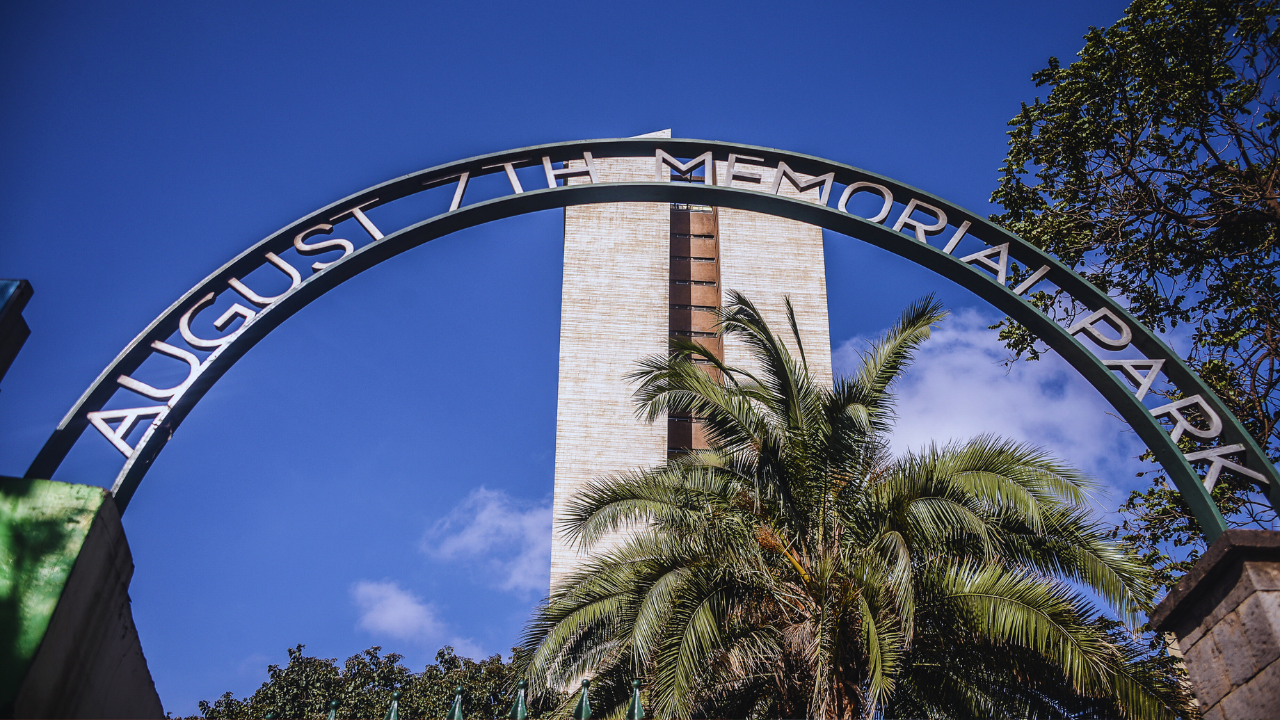
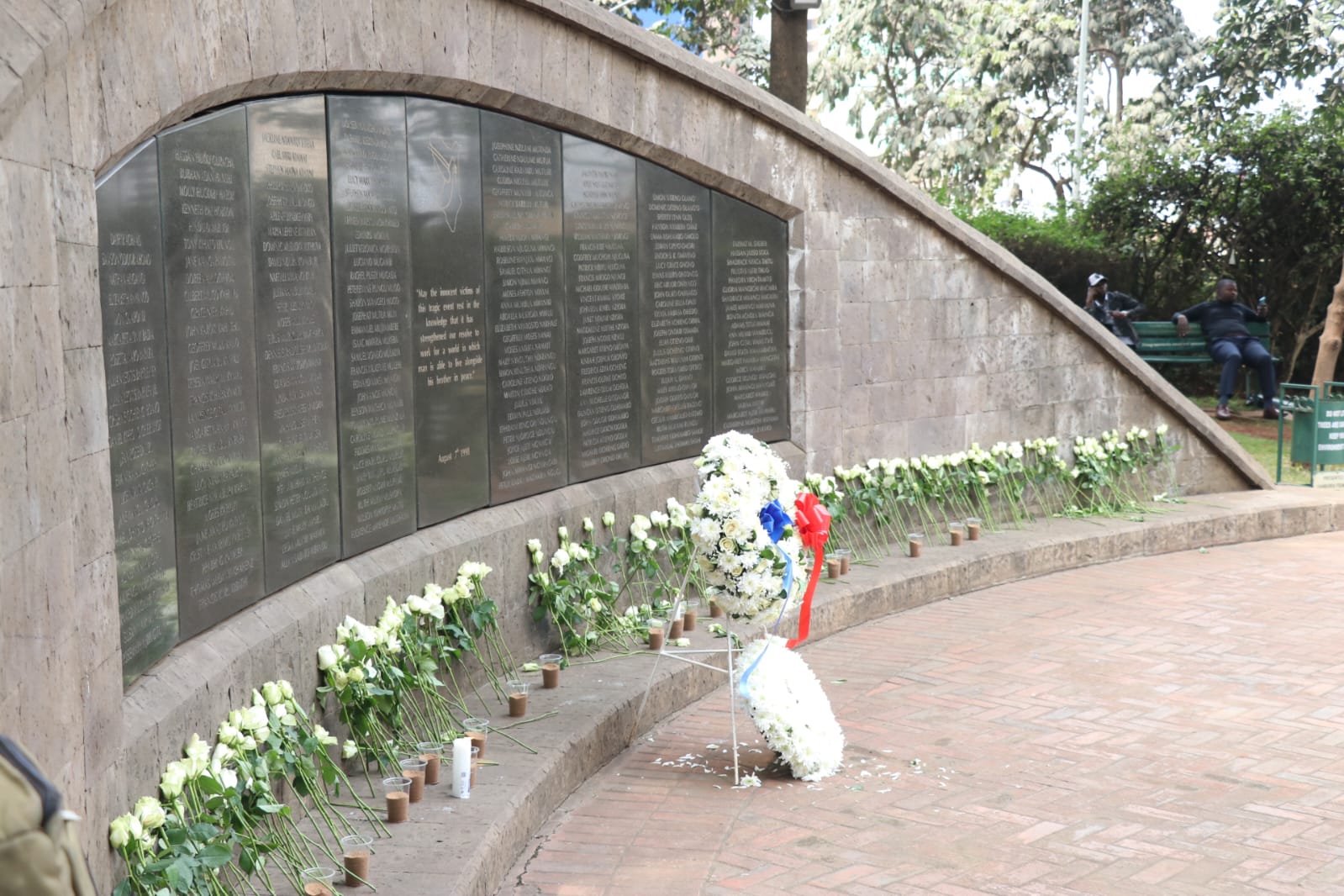
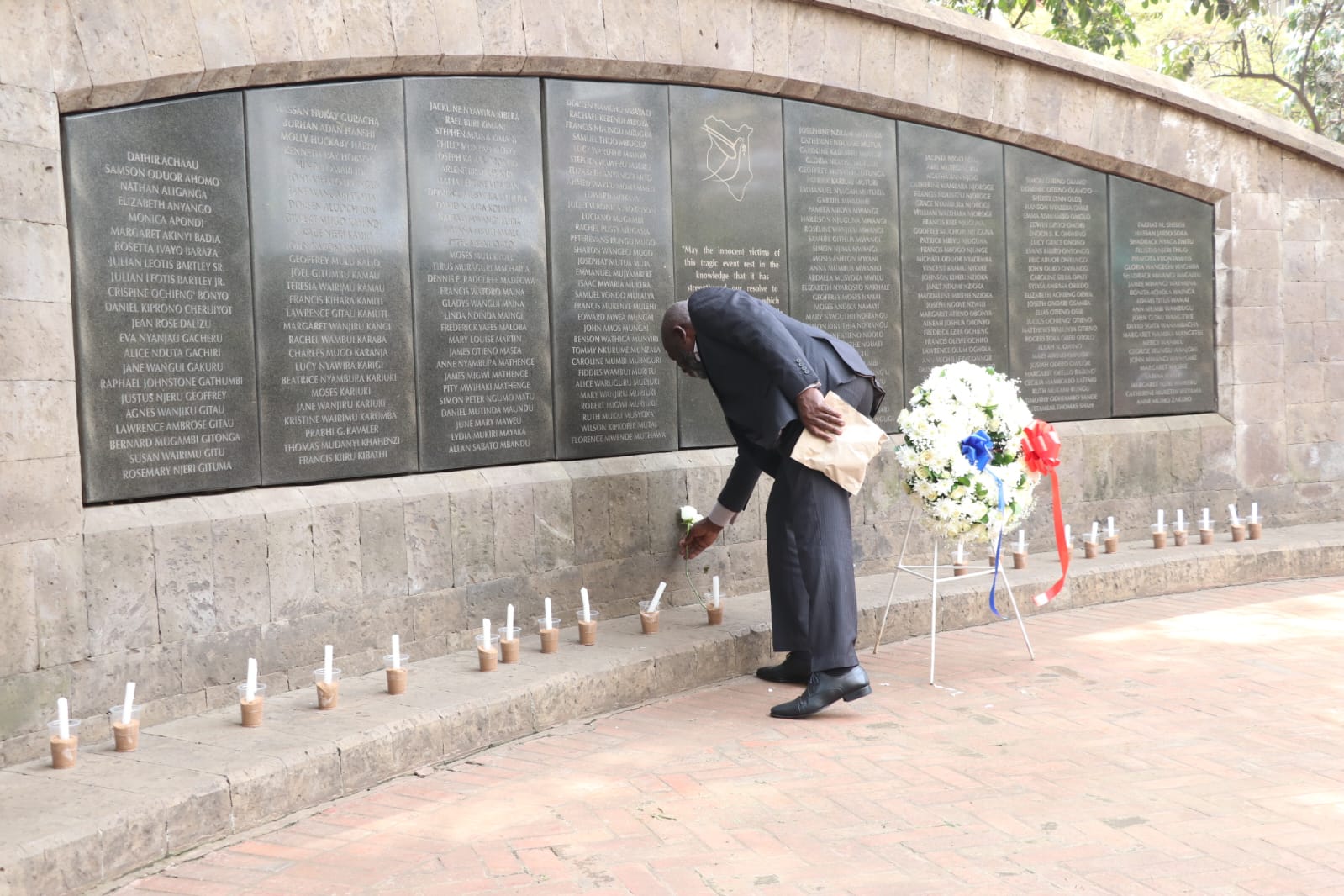
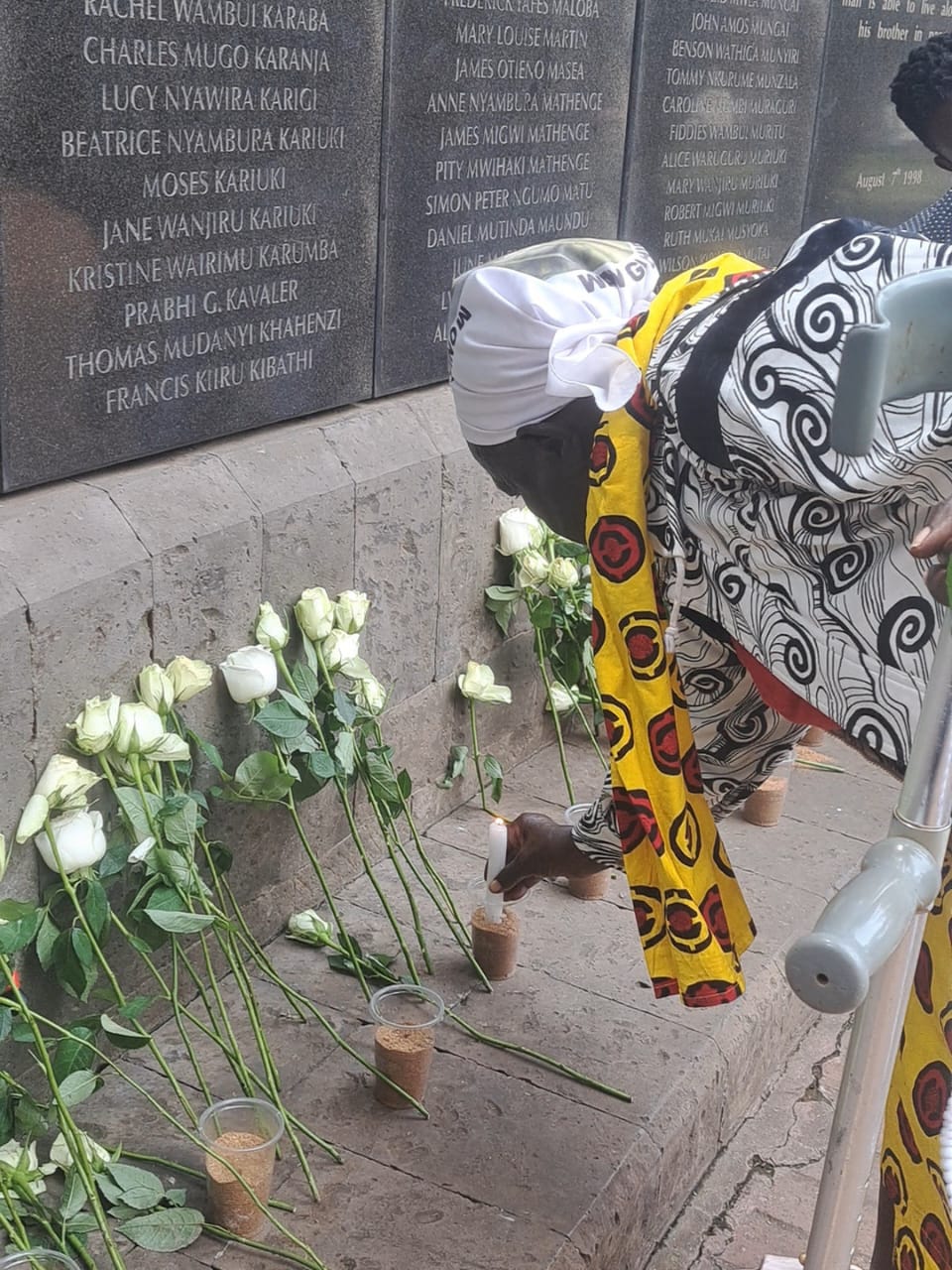
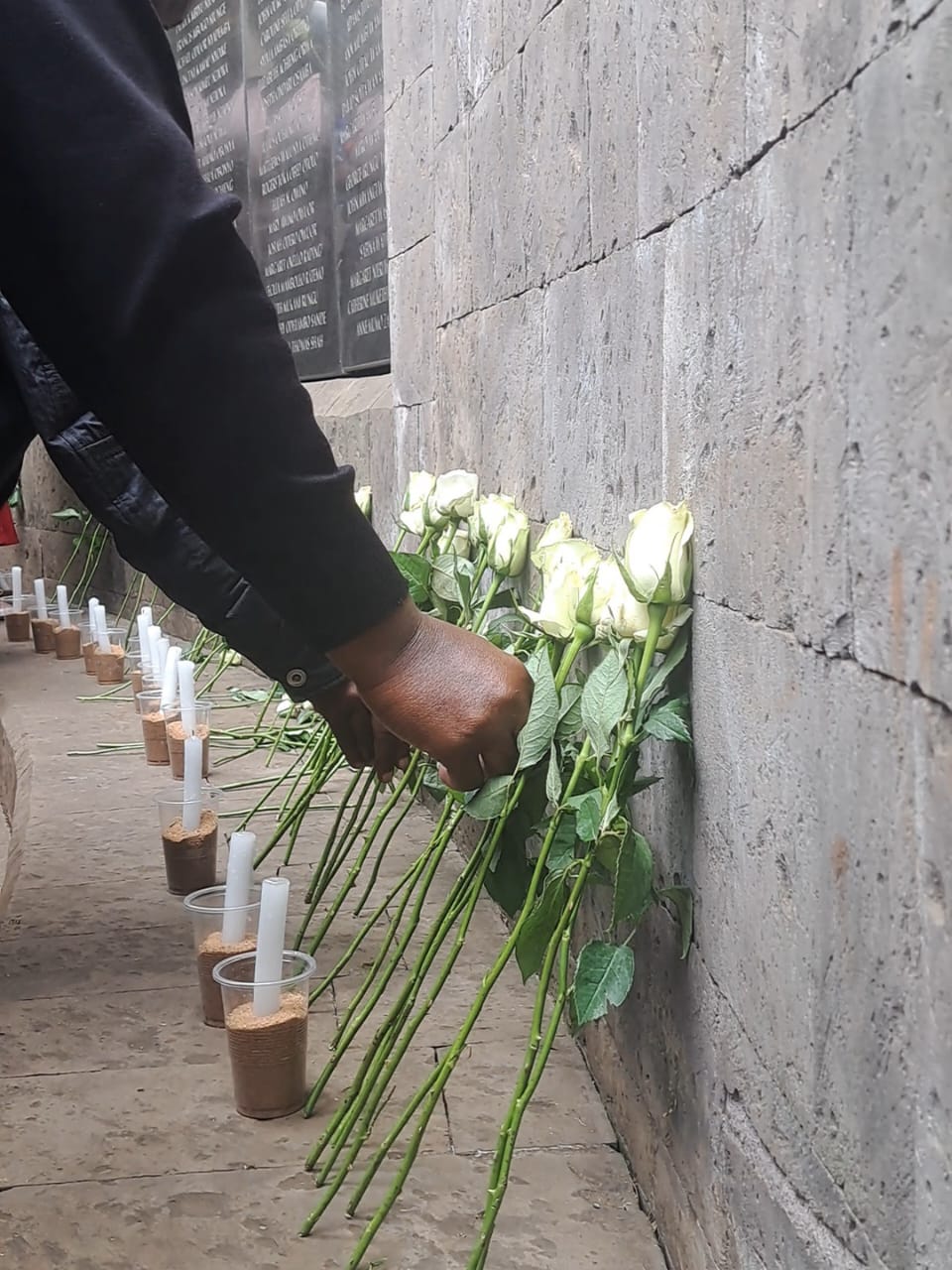
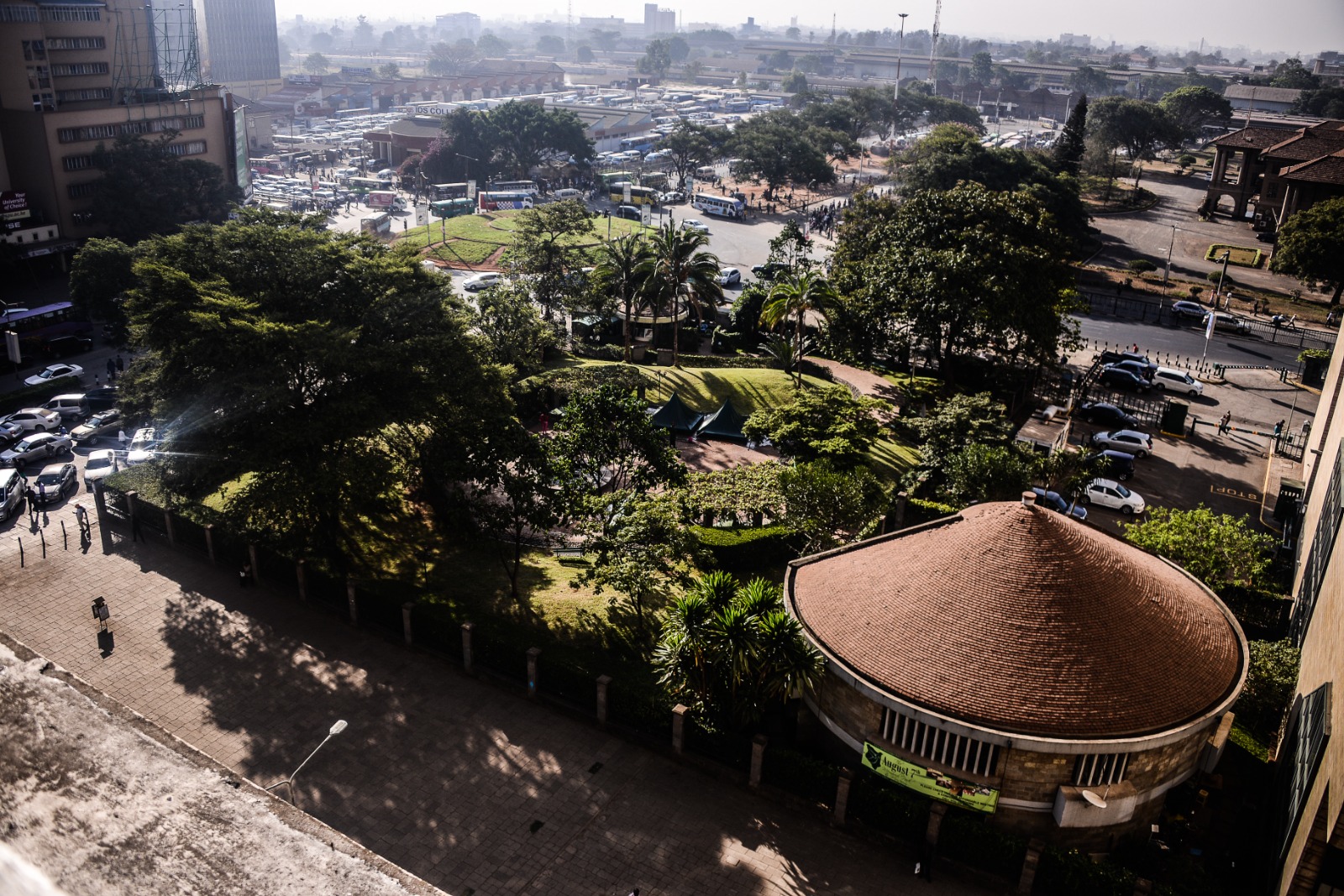
As the country marks 27 years since the devastating bombing, hundreds gathered at the August 7th Memorial Park, formerly the site of the U.S. Embassy, to commemorate the lives lost, the survivors, and the enduring resilience of the Kenyan spirit.
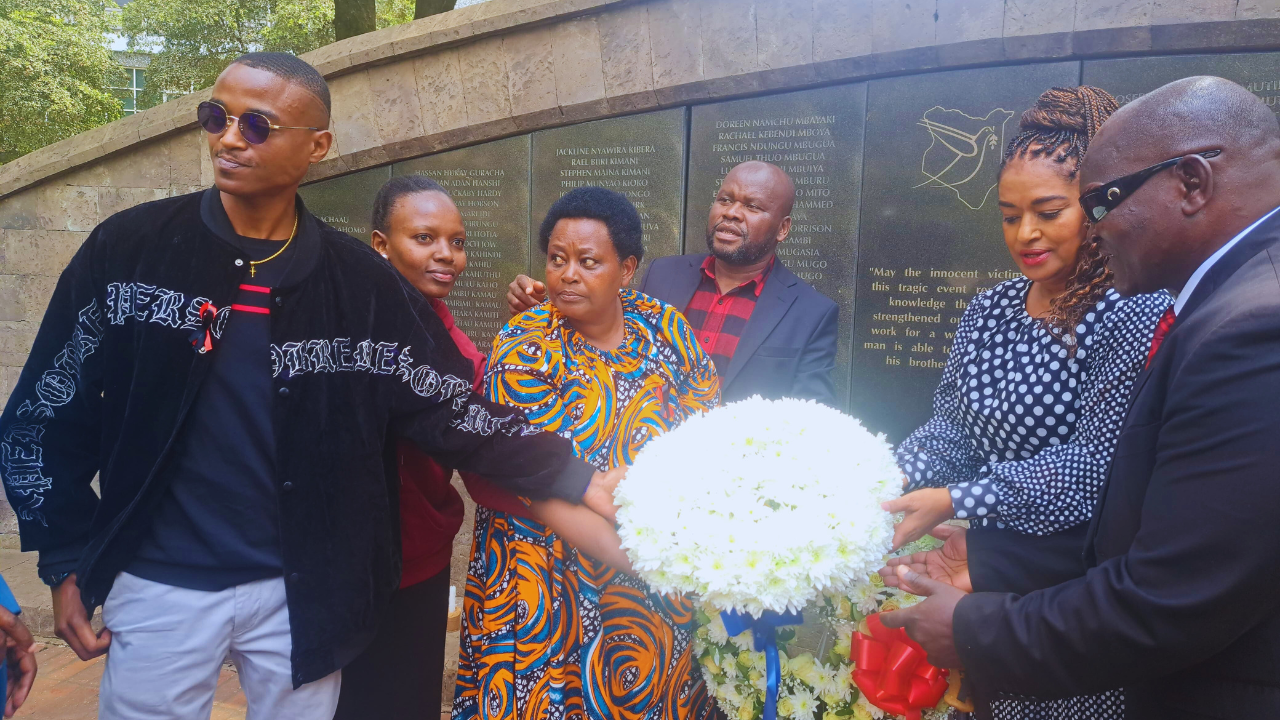
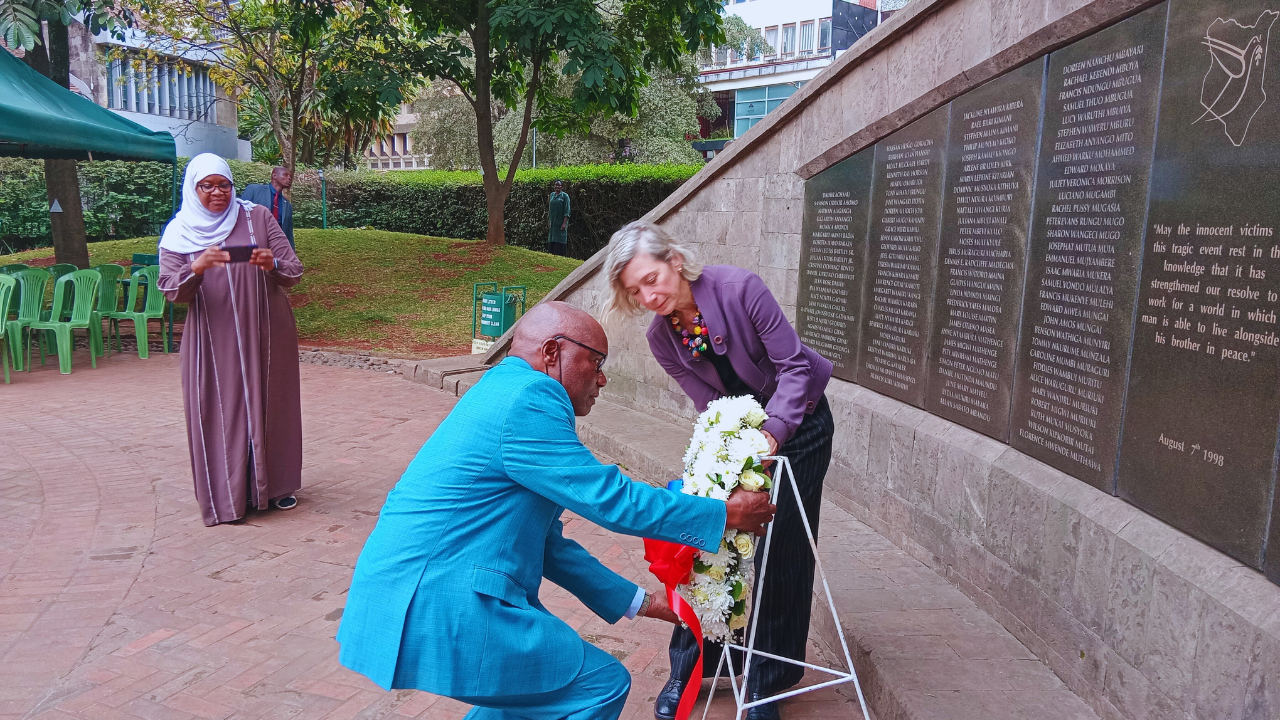
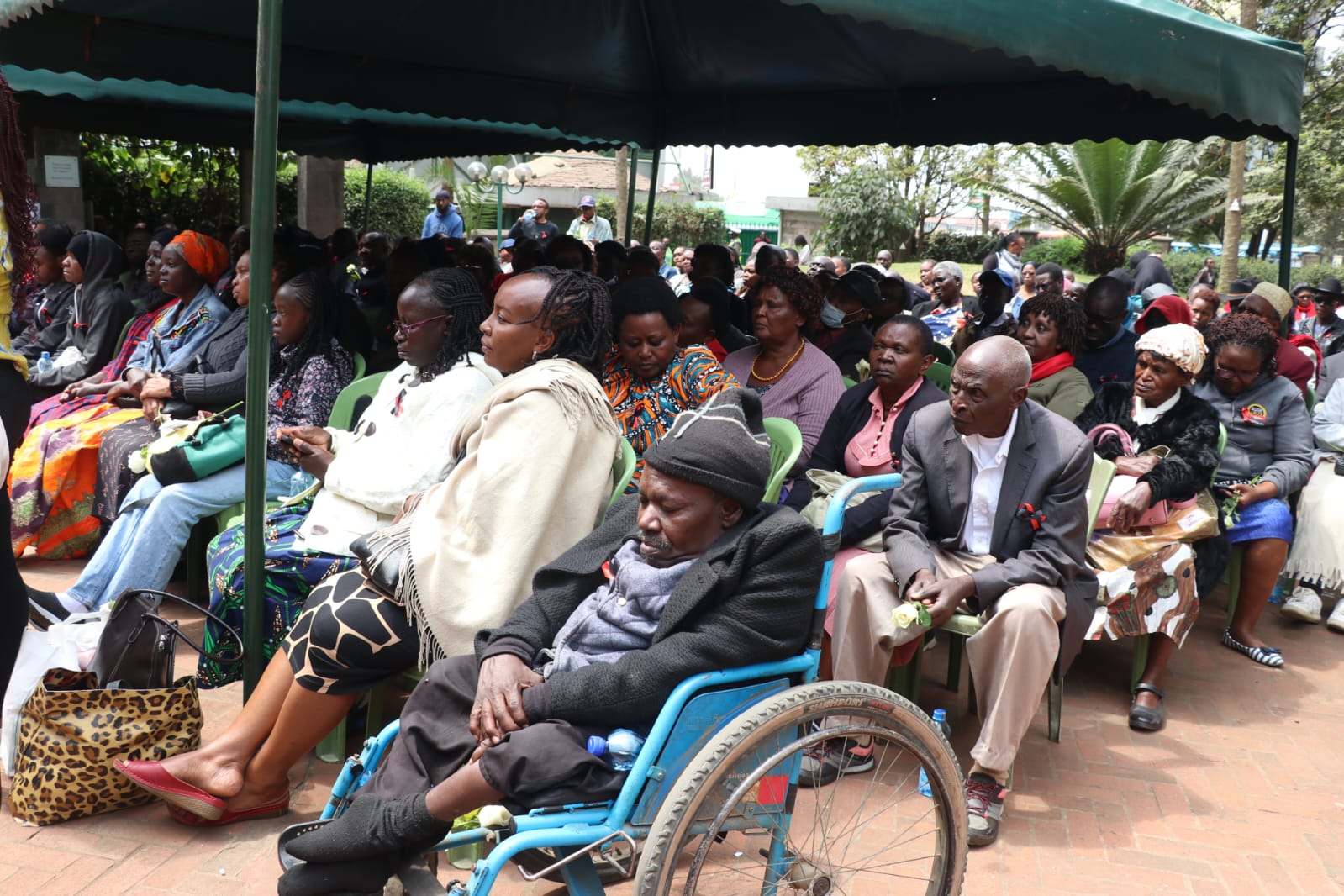
The day began with a Prayer Day and Anniversary Commemoration, organized by the August 7th Bomb Blast Association of Kenya, bringing together survivors, families of victims, first responders, and members of the public. The event served not only as a memorial but also as a call for continued recognition, support, and healing.
Prominent guests in attendance included Nairobi County Woman Representative Esther Passaris, religious leaders, emergency response teams, and security representatives.
In her address, Passaris reaffirmed her commitment to the survivors, pledging to donate Sh250,000 to assist victims and their families with registration under the Social Health Assistance (SHA) program.
“We cannot undo the past, but we can ease the burden of those who carry it every day,” said Passaris. “I will also speak with the President and push for compensation through Parliament. You have waited long enough.”
Her words were met with both gratitude and calls for swift follow-through, as many survivors and families have endured years of struggle with little official support.
A City Gives Back: Free Rides and Poetry in the CBD
In a powerful gesture of solidarity and remembrance, the Matatu Owners Association (MOA), in partnership with Galana Energies and the Memorial Park, organized 27 random free matatu rides across various Nairobi routes. The initiative symbolized each year that has passed since the attack.
Commuters were stunned when spoken word poet Willie Oeba—a renowned "activist" known for using poetry to advocate for justice and equity—stepped aboard the buses to inform them that their fare had been fully paid poetically.
“Through rhyme and rhythm, we remember the lives lost and celebrate those who survived. We show love, not just in words, but in action,” said Oeba, who leads a team of young creatives working to promote social change.

Tribute in Music and Light
Later in the afternoon, the Gravitti Band took to the stage at Memorial Park to deliver a free tribute concert honoring the victims and spreading a message of unity. The soulful music served as a balm to the wounds still fresh for many.
Meanwhile, Design Tech Africa transformed Nairobi’s skyline by projecting messages of peace across key buildings and digital screens in the Central Business District. Their initiative was described as a symbolic act to remind Kenyans of the strength found in community and the urgent need to stand united against hate and violence.
“This gesture is our way of standing in solidarity with victims, survivors, and their families while urging all Kenyans to reflect on our shared history and resilience,” said a statement from the organizers.
27 Years On: A Call for Justice and Continued Support
While the commemorative events were filled with moments of healing and joy, a deeper, more urgent message resonated throughout the day — justice and recognition are still lacking.
Survivors have long pleaded for compensation and formal acknowledgment of their pain and medical needs. Many suffer from chronic injuries and trauma, with limited access to mental health services or financial support.
The August 7th Bomb Blast Association continues to be at the forefront of these advocacy efforts, working tirelessly to push the government to prioritize compensation, medical assistance, and long-term welfare for survivors and families.
Remembering, Learning, and Moving Forward
In a world still grappling with the threat of terrorism, commemorations like today’s serve as stark reminders of the cost of extremism—and the need for unity in the face of adversity.
“Let us never forget what happened here,” a religious leader said during the prayer session. “But let us also never forget how we came together, how we helped one another, and how we must continue to heal.”
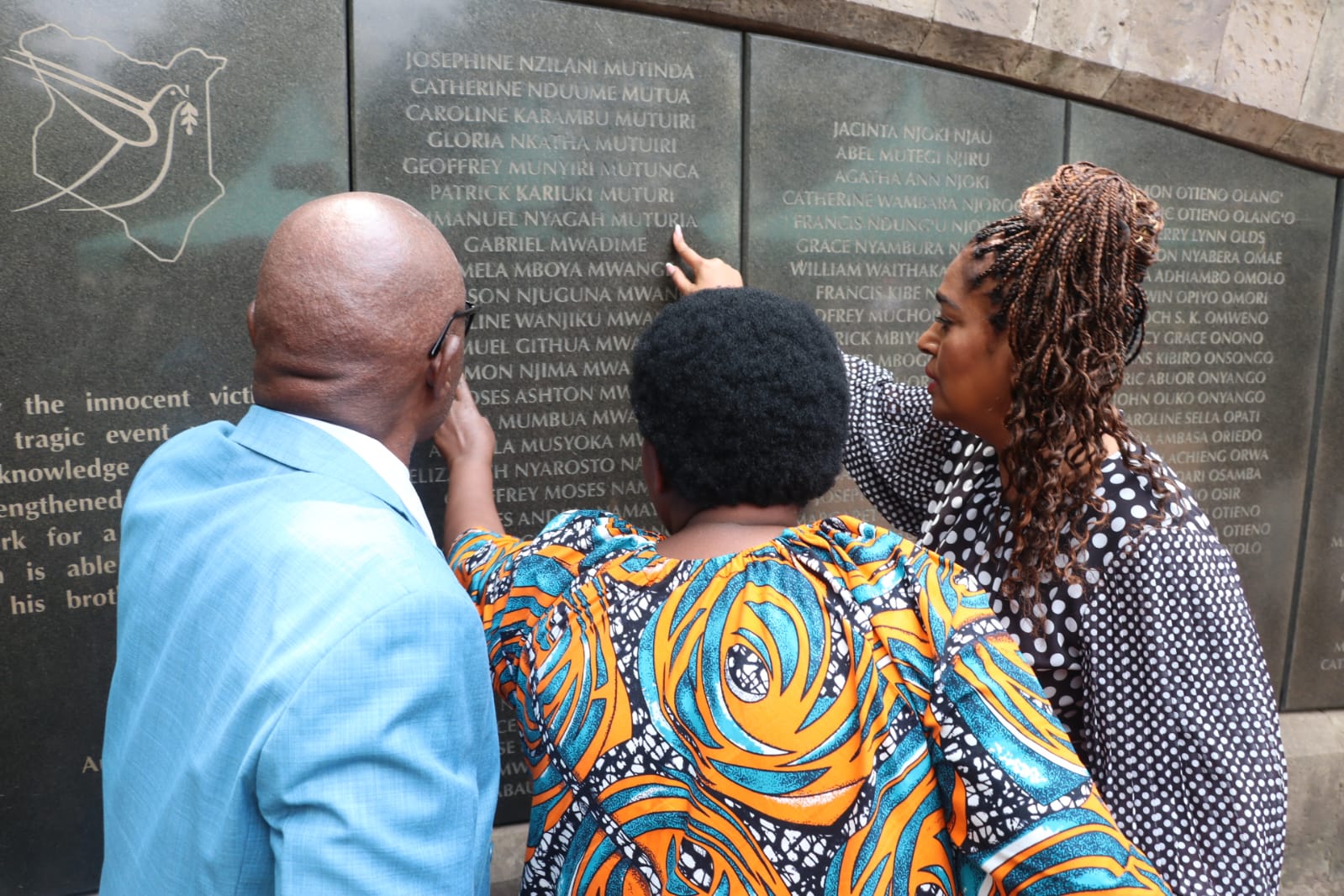
As the sun set over Memorial Park, many stood in silent reflection, their thoughts with the 213 lives lost that day and the thousands who still carry the wounds. The echoes of remembrance will continue long after the final song fades, as Kenya once again proves that from ashes, hope can rise.
Closing Thought
As Kenya marks 27 years since the August 7th, 1998 bombing, the pain may linger, but so too does the strength. From community tributes and free bus rides to music, poetry, and calls for justice, the message is clear: We remember, we honor, and we will never forget.
Background: What Happened on August 7th, 1998?
On the morning of August 7th, 1998, a massive truck bomb detonated outside the United States Embassy in Nairobi, Kenya, killing over 200 people and injuring more than 5,000. Almost simultaneously, another bomb exploded outside the U.S. Embassy in Dar es Salaam, Tanzania, claiming more lives and leaving a trail of destruction. The attacks were coordinated by al-Qaeda, marking one of the earliest and deadliest international terror attacks attributed to the group.
In Nairobi, the blast destroyed the embassy and caused catastrophic damage to the adjacent Ufundi Cooperative House, where most of the fatalities occurred. Emergency response workers, volunteers, and medical personnel worked around the clock to rescue those trapped in rubble and tend to the wounded. The event forever changed Kenya’s national security landscape and left deep emotional scars that many survivors and families still carry.