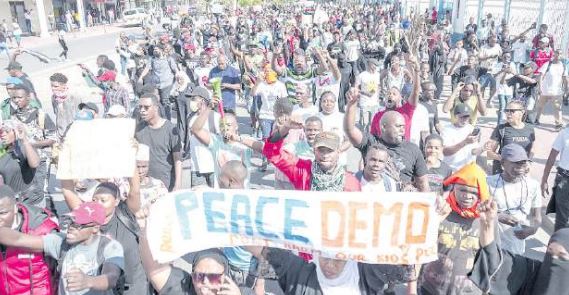
At just 23, JMK did not anticipate the mental health impact her activism would bring. After participating in two major protests—the June 25 commemoration and the Saba Saba Day demonstrations—she now faces long-term psychological struggles.
During the protests, JMK was on the frontlines, rallying her Kayole neighborhood friends to join the cause while also doubling as a first responder for injured protestors.
She helped carry injured victims to ambulances for first aid and further treatment and when many protesters retreated, JMK stayed. But the emotional toll has since worsened her symptoms, which now interfere with her daily life.
“I can no longer get a full night’s sleep,” she told the Star. “The panic attacks are becoming more frequent and have even started turning into seizures.”
She believes the mental breakdown is from the trauma of witnessing many injuries and deaths. “It was overwhelming,” she said.
Despite her struggles, JMK is reluctant to share her condition with her family in Kitui. “My family is very superstitious. They would say I’m bewitched and wouldn’t offer me the help I need. I have to struggle alone here.”
Her story echoes that of EO, a 25-year-old queer activist who remained closeted throughout his teenage years but came out openly during the recent wave of Gen Z protests. “I realised all rights are connected,” he said. “If we are fighting for economic justice, why not stand up for sexual minorities?”
However, months into his activism, EO is questioning whether coming out was the right decision. He has received countless threatening messages labeling him a pervert deserving sexual violence.
“I never drank before the Gen Z protests started, but now I binge drink. I’ve become a functional alcoholic in less than a year. The stress is overwhelming,” he said.
The relentless rounds of protests and harsh police crackdowns have left many human rights defenders bearing deep emotional and psychological scars, a new report by the Defenders Coalition says. It says most frontline activists are now seeking psychosocial support to cope with the mental health toll.
The ripple effects extend beyond the activists themselves. Their family members, who also bear the burden of social stigma, emotional distress and economic hardship also seek help.
Defenders Coalition has been providing necessary care and assistance to vulnerable defenders and their families.
In the first half of this year alone, Defenders Coalition handled 52 requests for psychosocial support, promptly engaging counselors to address the mental health needs of activists affected by continuous harassment, intimidation and trauma.
More than half of these activists also sought support for their families, highlighting the personal costs in their fight for justice.
Beyond psychosocial support, the coalition’s report details a wider spectrum of assistance required on the ground. Eleven activists needed medical care after injuries sustained during protests or arrests, while 35 required legal aid to contest charges.
Of these, 13 requested cash bail to secure their release from custody. Additionally, 22 activists received relocation support to evade arrest, abduction or imminent danger and five benefited from enhanced security measures.
Defenders Coalition’s core mandate is to champion for safety, security and well-being of human rights defenders. Their work involves rapid intervention whenever defenders face risk and forging strategic partnerships with referral systems to ensure coordinated, timely and holistic support.
“As part of our core mandate to champion for safety, security and well-being of human rights defenders, Defenders Coalition intervenes swiftly when activists are at risk, deliberately establishing partnerships with complementary referral systems to ensure a systems approach to HRD support,” a coalition spokesperson said.
Since early this year Kenya’s human rights environment has been marked by significant political, socioeconomic and civil society developments, intensifying challenges for activists. Increasing pressure from state actors and hostile groups has placed defenders under severe threat.
Instant analysis
The mental health impact is particularly alarming. Constant exposure to violence, intimidation, and legal persecution generates chronic stress, anxiety, and trauma among activists. Many report feelings of isolation, fear, and helplessness. Without adequate psychosocial support, the risk of burnout and psychological breakdown grows—jeopardizing both individual well-being and the broader human rights movement.