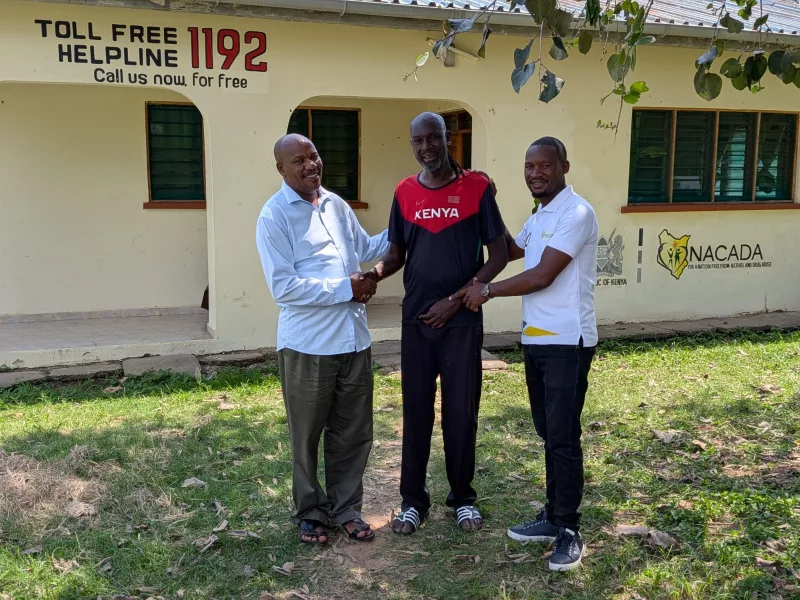
After 14 long years locked away in the stark isolation of Saudi Arabian prisons, Stephen Munyakho finally stepped back onto Kenyan soil—free, alive and deeply changed.
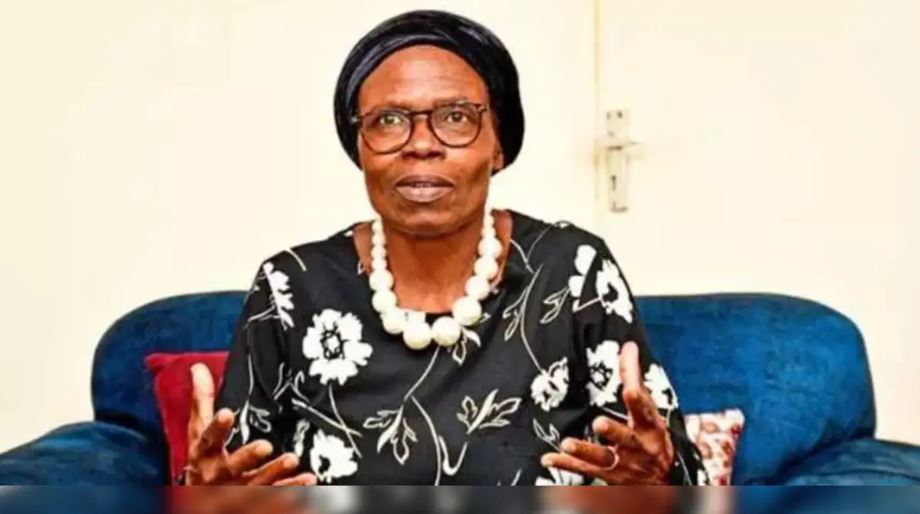
It was a homecoming many feared might never happen. Waiting at Jomo Kenyatta International Airport was his mother, Dorothy Kweyu, whose unwavering love and relentless advocacy kept her son alive.
“Guess how I feel? It is unspeakable,” she whispered, her voice trembling with both elation and exhaustion.
Munyakho’s return on Tuesday marked the end of a harrowing journey that began in 2011—a journey shadowed by the threat of death by public execution.
A warehouse manager in Saudi Arabia at the time, Munyakho had gotten into an altercation with a Yemeni colleague, Abdul Halim Mujahid Makrad Saleh. The man later died from his injuries.
What began as a manslaughter conviction in 2011 turned into a death sentence by sword in 2014 after a Shariah court escalated the charge to murder.
What followed was a slow-motion nightmare that spanned nearly a decade and a half. Under Saudi law, a murder conviction could only be resolved by a full pardon from the victim’s family—or death.
For years, one of the victim’s sons was underage, freezing the case in legal limbo. All the while, the noose tightened around Kweyu’s heart.
“If you were Stevo’s (Munyakho) father, how would you feel receiving your son after nearly 15 years in jail, having escaped the hangman’s sword in a foreign country?” she asked. “It has taken a huge amount of work. We’ve had high moments and very, very low ones.”
Those low moments were not just emotional. They were financial. As part of a delicate arrangement to delay the execution, Kweyu agreed to pay the victim’s family 4,000 Saudi Riyals—about Sh140,000—every month from November 2024. It was a painful tradeoff: money for her son’s life.
“I remitted the money against my will,” she said, “but my sons kept encouraging me to do it—to save Munyakho’s life. I hope now that he’s back home, that marks the end of that expensive affair.”
But the road to freedom cost more than monthly payments. When the Saudi courts finally agreed to a blood money settlement—down from 10 million to 3.5 million Riyals (about Sh129 million)—Kweyu launched a national campaign to raise Sh20 million to show good faith and rally support. It was a desperate, emotional plea that reached living rooms across Kenya.
Her tearful appearance on Jeff Koinange Live moved the nation. In a single night, Kenyans donated Sh5 million. More came in the days that followed. But even that wasn’t enough to meet the full settlement. The final breakthrough came when President William Ruto personally appealed to the Muslim World League, which paid the lion’s share of the diya.
Still, it was Kweyu who had done the impossible: rallying a nation, holding together a family, and never letting go of her son’s name.
“The ambassador’s first question was how much we had. You know, empty hands do not help,” she recalled.
Munyakho’s scheduled execution in May 2025 was deferred, and on July 22, a Saudi court finally confirmed his release. He arrived in Nairobi on July 29, 2025—nearly 14 years after his nightmare began.
The Bring Back Stevo Strategy Committee, which supported the family throughout the ordeal, called his return “a victory for human spirit, faith and solidarity.”
“This morning’s arrival from Jeddah is the result of a lengthy battle fought in Saudi courts and a massive show of goodwill from Kenyans and global supporters,” the group said in a statement.
They praised the Muslim World League and thanked every individual who donated, prayed or campaigned.
Kweyu, now catching her breath, remains overwhelmed.
“We’ve been through very many rough patches,” she said quietly, her hands clasped, eyes full. “But I’m grateful my son is back.”