In the quiet of a Kileleshwa home on April 10, a grim reality lay hidden behind the stillness—a 44-year-old house help was found lifeless on her bed.
Half a year earlier, a similar tragedy struck in Sigalagala, Kakamega, where a 19-year-old student died in her rented one-room house.
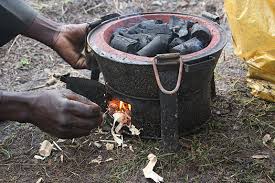
Investigations in both cases revealed the same silent killer: carbon monoxide poisoning, the invisible threat emitted by charcoal jikos.
As Kenya’s cold season progresses this July, many families turn to charcoal jikos to keep warm and make meals, unaware of the deadly risk lurking in their homes.
Carbon monoxide is a colourless, odourless gas that stealthily replaces oxygen in the bloodstream. Early symptoms—headaches, dizziness and chest pain—can rapidly worsen to respiratory failure and death if unnoticed.
Data from the Ministry of Energy and Petroleum’s 2022 ‘Behaviour change and communication strategy for promoting clean cooking in Kenya’ reveals that 67 per cent of households rely heavily on solid biomass fuels like charcoal and firewood.
This reliance is especially pronounced in rural areas, where 84 per cent of biomass users live. Urban households are more likely to use cleaner options, such as Liquefied Petroleum Gas (LPG), but which accounts for only 24 per cent of the population.
The Economic Survey of 2024 paints a worrying picture, with 19.6 million respiratory disease cases recorded in 2023—a 22.4 per cent increase from the previous year.
Pneumonia cases alone rose by 1.6 per cent to 1.4 million, partly fuelled by the harmful effects of indoor smoke inhalation. Rural older adults bear the brunt of these illnesses, often relying on firewood and charcoal stoves, while urban residents benefit from cleaner energy sources such as electricity, biogas and ethanol.
Reducing exposure to carbon monoxide and indoor smoke is critical—not only to save lives but to alleviate pressure on public health systems. Healthier families mean fewer missed school days, improved work productivity and stronger communities overall.
The Kenya Meteorological Department’s May 2025 forecast warned of a particularly cold season in Nairobi and other regions.
Officials caution that respiratory illnesses, including asthma, pneumonia, flu and the common cold, are expected to rise.
The public is urged to dress warmly and avoid using charcoal jikos in poorly ventilated homes, where carbon monoxide can accumulate dangerously.
“Continued reliance on wood fuels and traditional stoves is unsustainable,” says Energy PS Alex Wachira.
He highlights the broader environmental and health consequences—deforestation, greenhouse gas emissions and premature deaths caused by household air pollution, especially among women and children.
The Intergovernmental Panel on Climate Change estimates that replacing open fires with energy-efficient improved cookstoves could reduce global carbon emissions by up to 2.4 gigatonnes annually.
Such shifts also ease pressure on forests, reduce harmful smoke exposure, lessen the burden on women and children who collect firewood and save money for low-income families.
The government, together with the World Bank, is advancing clean cooking initiatives through the Kenya Off-Grid Solar Access Project (Kosap). This project targets 14 underserved counties, including Garissa, Isiolo, Kilifi and Tana River, aiming to provide 60,000 improved clean cooking solutions.
Tina Tito from Kone village, Tana River county, is among the early adopters. She praised the new energy-efficient stove, which uses less charcoal, cooks faster, produces minimal smoke and preserves kitchen surfaces—thanks to its plastic foot pads. Though initially tricky to light, Tito adapted quickly, finding the stove reliable and safe.
Kosap also incorporates a Results-Based Financing approach, subsidising clean cooking solutions to make them affordable. This initiative supports private companies like Brenhert Investment Limited, Elcom Networks, Equity Bank and Green Light Planet in building sustainable supply chains and expanding access to solar and clean cooking technologies.
Together, these efforts mark a critical step toward safer, healthier homes and a cleaner environment, offering hope that the cold season will no longer bring silent, preventable tragedy.
Instant analysis
The rise in carbon monoxide poisoning linked to charcoal jiko use in Kenyan homes highlights a critical public health challenge, especially as colder months drive increased reliance on traditional cooking and heating methods. Despite charcoal’s affordability and accessibility, its dangers—namely invisible, odourless carbon monoxide emissions—pose a lethal threat, particularly in poorly ventilated spaces. The government’s push for improved cookstoves and clean energy solutions, supported by projects like Kosap, is vital to reducing respiratory illnesses and deaths. Addressing this issue not only safeguards health but also contributes to environmental protection and economic well-being, emphasising the urgent need for widespread awareness and adoption of safer cooking alternatives.