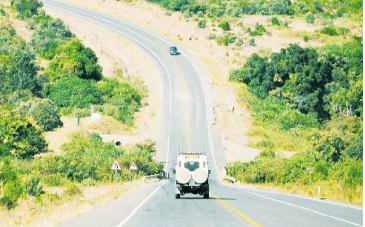
The proposed Nairobi–Mombasa Expressway is stirring anxiety among communities along Mombasa Road.
Local leaders warn that rerouting the highway could deal a devastating blow to towns and urban centres that have long relied on it for economic survival.
Residents and community elders say diverting the multibillion-shilling expressway away from the current transport corridor risks turning once-thriving towns into ghost centres. They cite potential losses in county revenue, employment, and commercial activity—issues that could trigger widespread social and economic instability.
US-based private equity firm Everstrong Capital, which has operations in Kenya, is spearheading the project. The company aims to break ground in the first quarter of 2026, pending government approval. The 459km four-lane dual carriageway, dubbed the Usahihi Expressway—Swahili for “done correctly”—will link Nairobi to the port city of Mombasa and is projected to cost Sh464.8 billion.
As public-private partnership project, the expressway will be tolled, with the developer responsible for financing, construction, operation, and maintenance over a 30-year concession period. Construction is expected to take three to four years. Notably, the project is structured to shield the government and taxpayers from direct financial risk.
Of the total project cost, about Sh129.1 billion is expected to be raised locally through pension funds, commercial banks, insurance firms, and fund managers. CPF Capital and Advisory Ltd—a subsidiary of CPF Group—is leading the local fundraising effort via the PACK Hunters Club, a consortium made up of pension trustees, fund managers, and investment bankers, representing a new model for infrastructure financing in Kenya.
Despite the ambitious scope and innovative financing of the Usahihi Expressway, local leaders are sounding alarm bells. During a meeting on June 1, 2025, in Kwa DC, a group of elders issued a strong statement outlining their fears.
“The construction of the Nairobi–Mombasa Expressway away from the current Mombasa Road will have adverse effects on the towns and urban centres that have grown along its spine,” the elders said.
They warned that the counties of Machakos, Makueni, Taita Taveta, and Kwale could lose critical revenue streams—from land rates, permits, and business licenses—if the new expressway bypasses their towns. The loss of business traffic, they added, would likely result in market closures, job losses, and a weakening of the local economy.
“There’s growing concern that the public good is being sacrificed for the interests of foreign investors,” the statement read. “Mombasa Road is the economic lifeline for our people. Without it, towns will die. Businesses will collapse. Loan defaults will rise. We may see increased property auctions, depression, and even early deaths.”
The elders pointed to past infrastructure projects—like the Thika/Kenol–Nyeri dual carriageway and the Rironi–Nakuru–Mau Summit highway—as examples where public input led to adjustments in road design to preserve local economies.
They are calling for a similar reconsideration of the Usahihi Expressway, urging that the highway be constructed along the existing Mombasa Road corridor. This would not only protect local businesses and communities but also reduce land acquisition and compensation costs.
“Building along the existing road would be less disruptive and more cost-effective,” they said.
The concerns aren’t just economic. Environmental implications of the project—particularly in areas that intersect with national parks—have also drawn scrutiny.
Elders warned that the new expressway could fragment wildlife habitats, making migration and breeding more difficult for many species. Increased road traffic could result in frequent roadkill incidents and stress local ecosystems.
“Construction will bring dust, noise, and pollution. Runoff from the road could carry oil and chemicals into streams, harming plant and animal life. Emissions from heavy traffic will degrade air quality and contribute to climate change,” they said.
The elders also expressed concerns about the expressway's potential impact on cultural and heritage sites. They fear sacred lands, archaeological sites, and traditional community areas may be destroyed or disrupted without adequate consultation.
To mitigate these impacts, they are calling for a comprehensive environmental and social impact assessment, along with measures like wildlife corridors, proper signage, pollution control systems, and meaningful stakeholder engagement throughout the project’s life cycle.