In Nairobi’s often overlooked neighborhoods, a different kind of revolution is unfolding—not through protests or speeches, but through the compelling language of art.
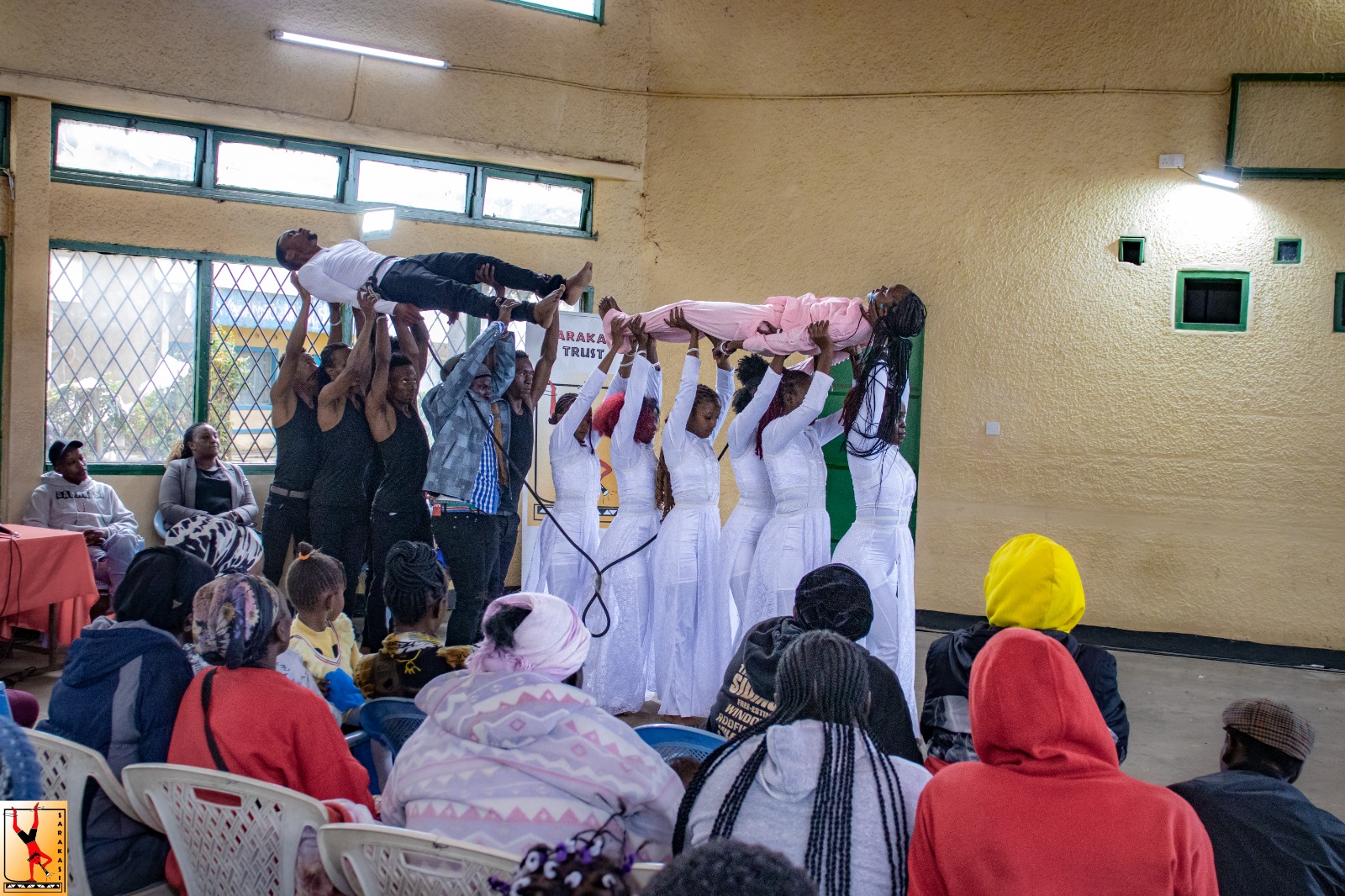
Sarakasi Trust’s All Stars, in partnership with Africalia Belgium, brought to life Voices of the Silent. This gripping, emotionally charged stage performance dared to confront the harsh realities of Gender-Based Violence (GBV).
Using dance, spoken word, acrobatics, and soul-stirring music, the production did more than entertain; it educated, healed, and called communities to action.
From Jericho to Mathare, and finally Kayole, residents gathered in public spaces to witness a performance rarely seen in such areas—one that amplified the stories of GBV survivors, empowered communities with crucial information, and sparked long-overdue conversations around a deeply stigmatized issue.
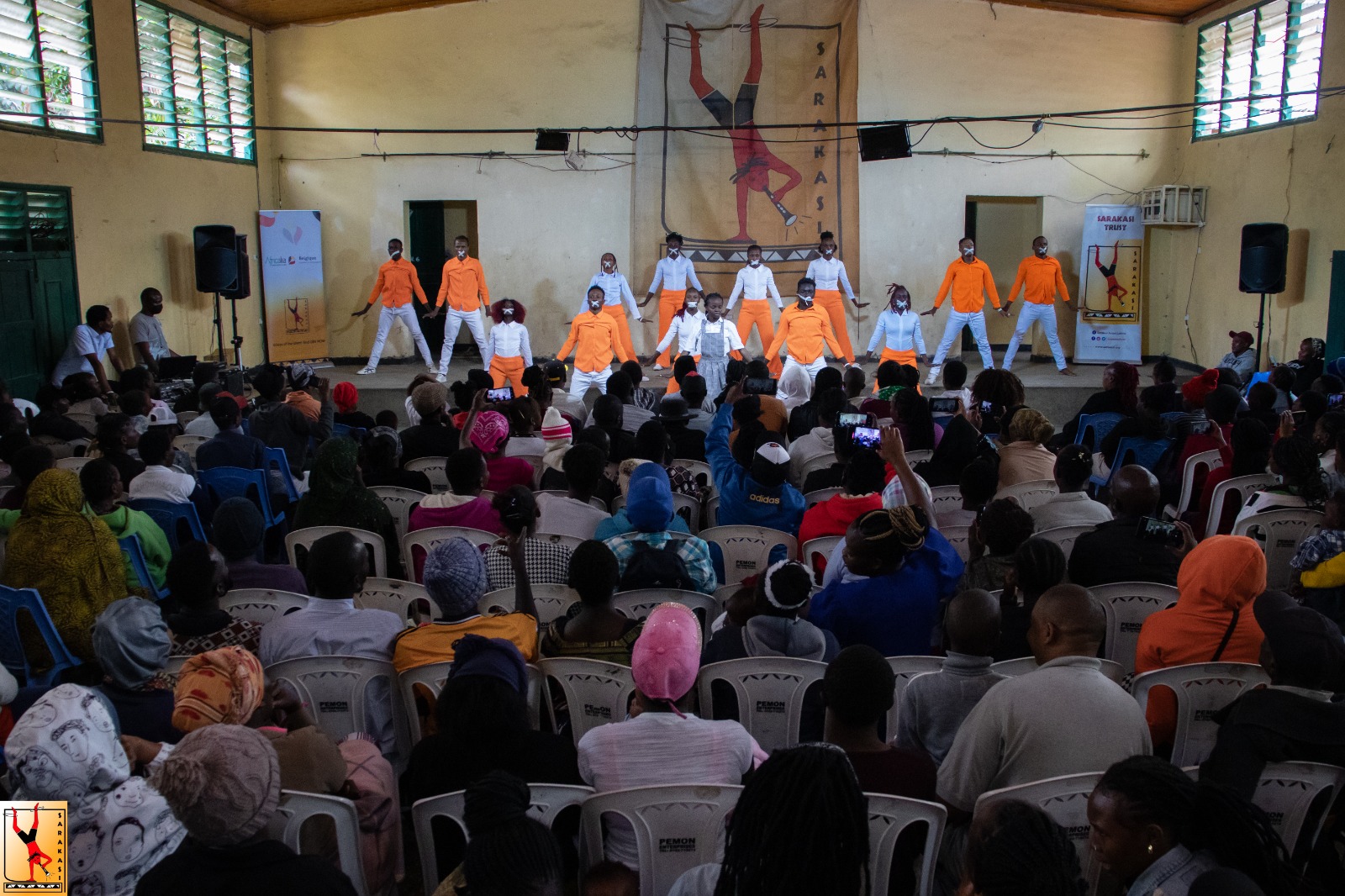
“For the Voices of the Silent project, our main agenda was to create awareness and open up dialogue around GBV. We realized many of these cases happen behind closed doors, and people don’t talk,” explains Lilian Mwari, Managing Director of Sarakasi Trust.
“We worked with activists, legal practitioners, case workers, and most importantly, survivors. And what we saw was transformational.”
This wasn’t just storytelling—it was story-living. The narratives brought to the stage were based on real-life accounts collected during outreach missions.
“We did auditions from the stories we got in the field. These weren't fictional characters—they were voices we had met, people who had lived these traumas,” Lilian shares. “From there, we built the concept, assembled a cast of poets, musicians, acrobats, and spoken word artists, and worked tirelessly for seven weeks under the direction of Coaches Edu and Oscar to bring the production to life.”
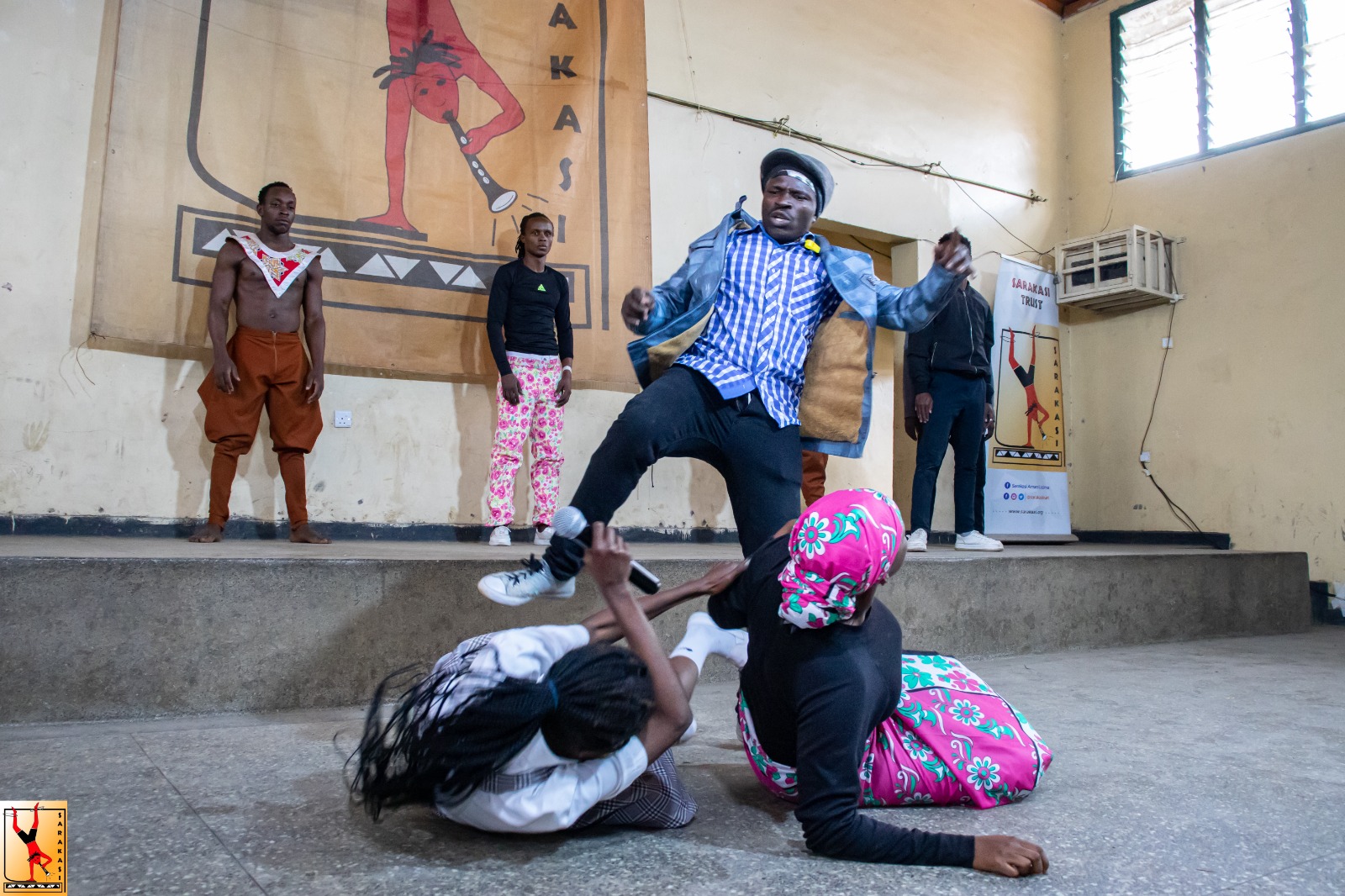
And bring it to life, they did.
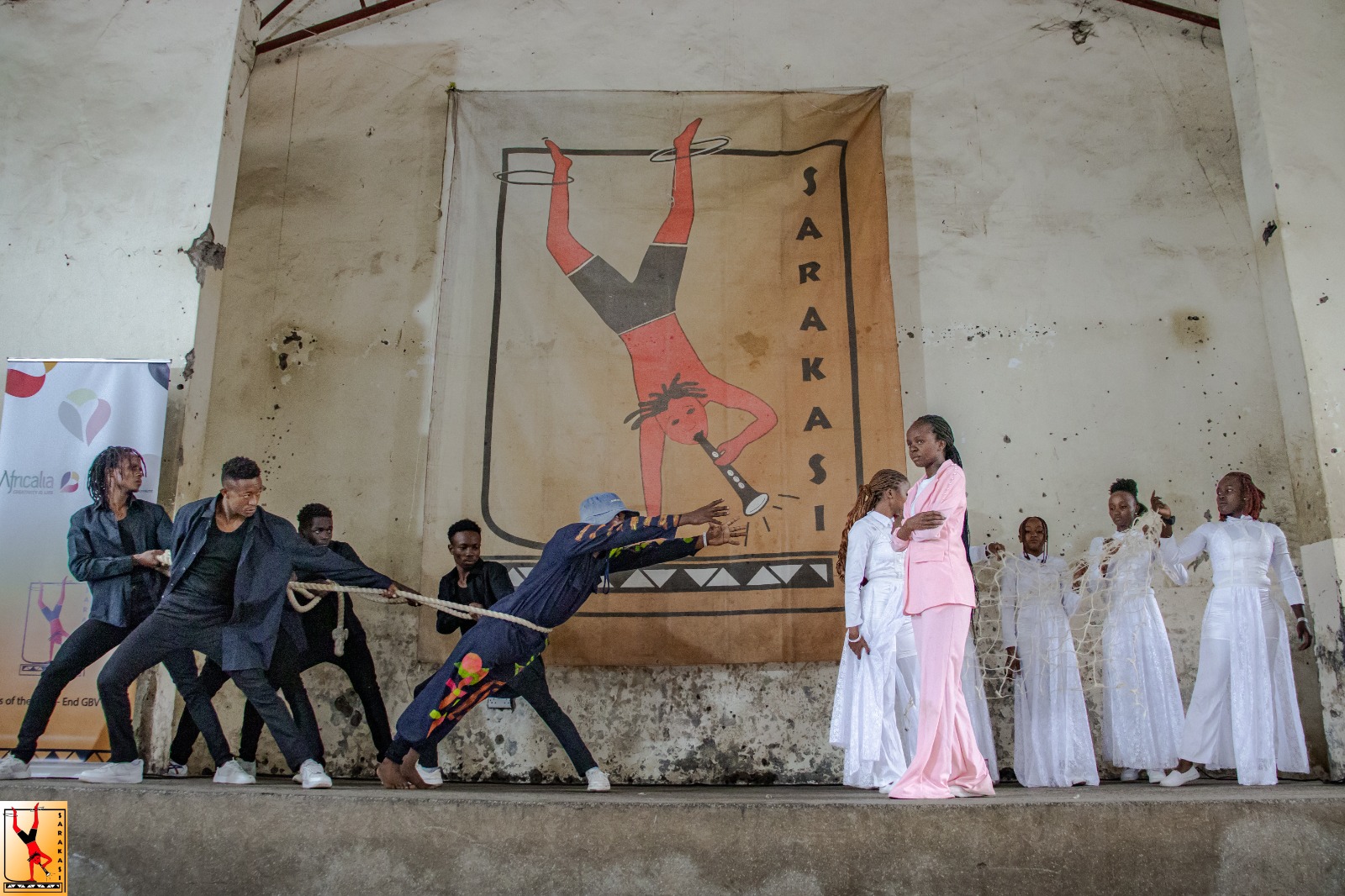
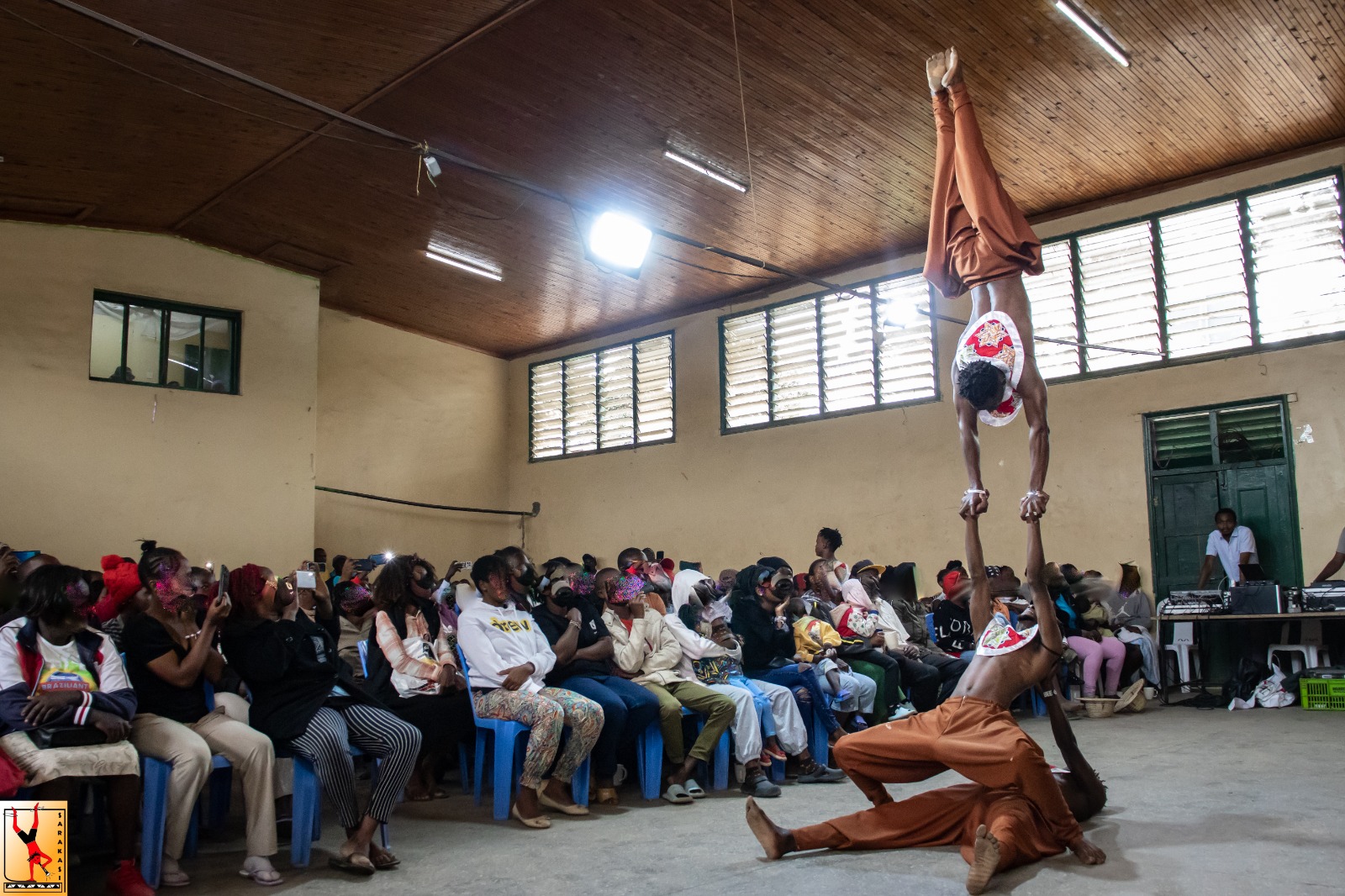
Voices of the Silent unfolded as a seamless fusion of art and activism. The performance moved fluidly from haunting monologues to lyrical poetry, intense acrobatics representing internal battles, and moving musical interludes—all capturing the emotional weight of GBV with stunning authenticity.
For Maurice Oduor, one of the performers, the experience was nothing short of transformative.
“It was healing for me to be part of this production,” he says. “I was telling not just my story, but stories that so many people in our community carry silently. After the performance, victims came forward to talk. People opened up in ways they never had before.”
But this wasn’t art for applause—it was art with purpose. Each performance was followed by a panel discussion featuring GBV experts, legal advisors, counselors, and survivors. These forums gave the audience a chance to ask questions, share experiences, and seek help.
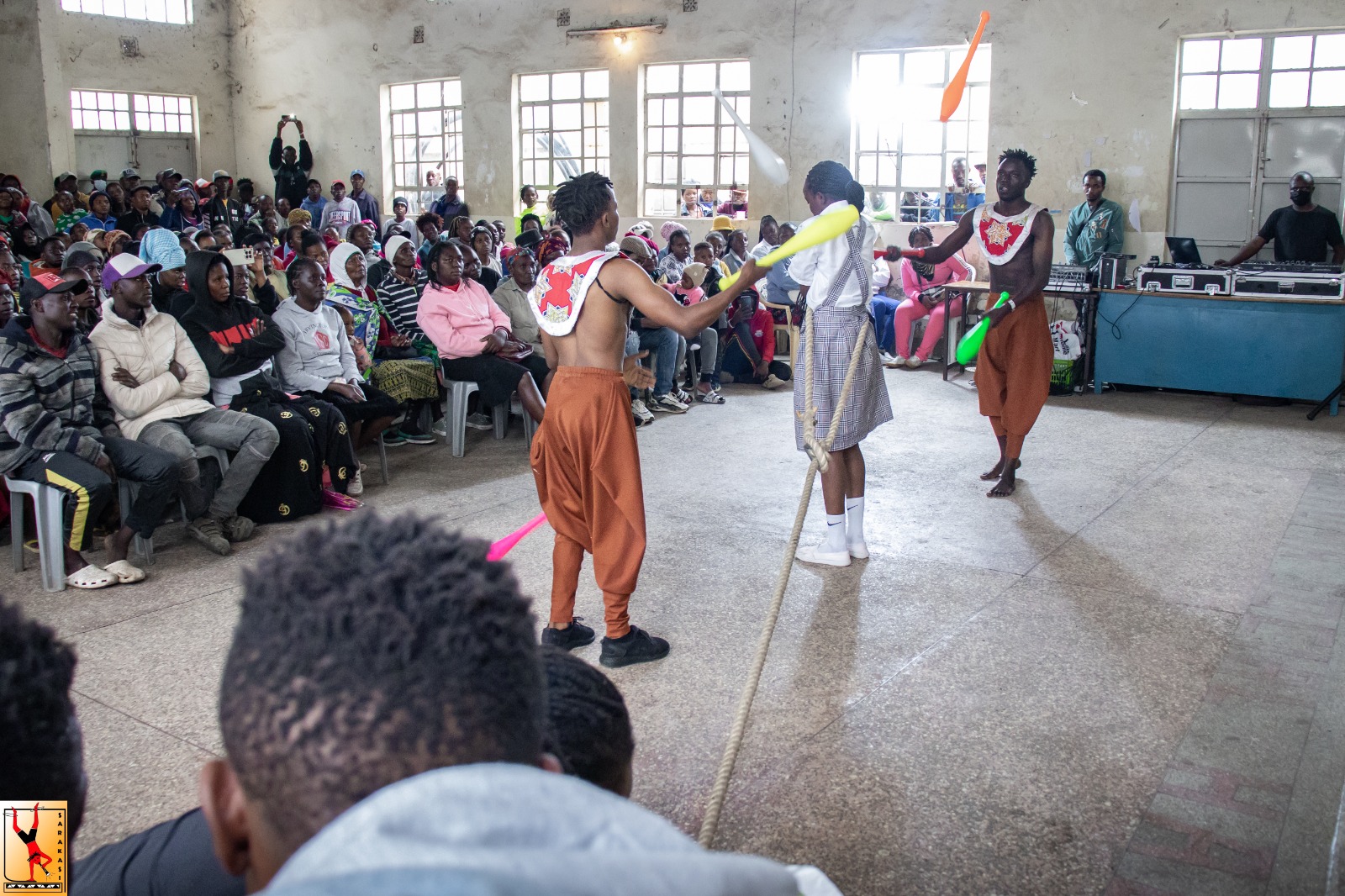
“There was a lot of emotion. Raw, painful stories came out. And one thing became clear: GBV isn’t just a women’s issue. Men came forward, too, with their own painful experiences. We often forget that they also suffer in silence,” Lilian emphasizes.
These discussions didn’t stop at awareness—they offered practical information. Attendees learned how to identify GBV, where to report it, and how to access support services.
“The impact was immense,” Lilian reflects. “People left not just entertained, but informed—and in some cases, empowered to take action.”
Thanks to Africalia Belgium’s support, the initiative reached underserved areas where access to GBV education and resources is often minimal.
“This was a grassroots campaign. We wanted to reach the people who are usually left out of such discussions,” Lilian explains.
The show’s impact was heightened by its masterful blend of artistic expression. Acrobats symbolized struggle, musicians set emotional tones, and spoken word artists delivered piercing truths that lingered long after the last bow.
“Art allows us to talk about the things that are hardest to say,” one spoken word artist noted. “It creates empathy. When people see a story performed, they begin to understand that it could be their sister, their brother, their neighbor—or even themselves.”
This production continues Sarakasi Trust’s mission to use the performing arts as a tool for social transformation. Widely known for vibrant dance and acrobatics, the group is now forging a new path—where performance becomes protest, and movement becomes message.
“As artists, we mirror society,” Lilian concludes. “Our role goes beyond entertaining. We have a duty to reflect, to educate, and to heal. With Voices of the Silent, we wanted to give voice to those who have suffered too long in silence—and to remind society that violence thrives in secrecy. It's time we start talking.”
And they did talk—through rhythm, poetry, movement, and raw truth. Voices of the Silent was more than just a show. It was a movement. And it’s only just beginning.