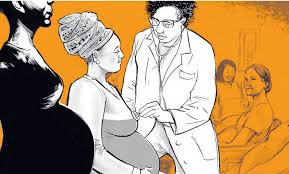
From pinching thighs, slapping, physical restraints, beating to being forced to endure raw pain without relief or anaesthesia, a new report on obstetric violence has laid bare the level of abuse women go through during childbirth.
The report by KELIN, a lobby that fights for reproductive health rights, says women experience harsh, demeaning, or threatening language from healthcare staff.
Women in labour are scolded or insulted for their pain threshold responses, requests for assistance or for additional support, or even their perceived lack of cooperation, it says.
The report is titled 'Litigating Obstetric Violence to Enhance Access to Effective Maternal Healthcare Services in Kenya'.
Take the case of Aisha* who was 17 when she walked into a public hospital in Nairobi’s Eastlands, clutching her belly and breathless with labour pains. She was alone.
Her mother is dead. The baby’s father had vanished. She hoped the nurses would help. Instead, they hit her.
“I was screaming from the pain, begging them to help me,” she says quietly.
“The nurse slapped my thigh and shouted, ‘You weren’t screaming when you were making the baby!’”
She pauses. “That slap broke me.”
Aisha’s experience is not an outlier. Across Kenya, thousands of women face similar or worse mistreatment when they seek maternity care.
The report exposes the routine abuse women endure during childbirth in hospitals — abuse that ranges from slaps and insults to rape.
It details systemic violations that are all too common in urban and rural health facilities.
“Physical abuse — including pinching on thighs, slapping, physical restraints during labour and beating — are reported as commonplace in numerous health facilities in Kenya,” the report notes.
Nurses are most often responsible, accounting for 51 per cent of reported cases. Doctors and obstetricians follow at 25 per cent, and non-clinical staff at 19 per cent.
But the physical violence is only one part of the cruelty.
Adolescent mothers, like Aisha, are often treated with contempt. “They told me I was just a stupid girl trying to be a woman,” she says. “One nurse asked me why girls like me think we deserve to be mothers.”
KELIN report adds, “Some adolescent mothers face additional stigma, with providers making derogatory remarks about their young age or socioeconomic status.”
Perhaps most disturbing, the report documents incidents of sexual abuse in maternity wards. “This involves the rape of mothers and defilement of girls within health facilities, while accessing bathrooms and toilets or while being attended to by healthcare providers.”
These are not isolated incidents. Research cited in the report in 13 healthcare facilities, at least 20 per cent of women experienced disrespect or abuse during childbirth. Another study across seven counties described abandonment by providers, lack of privacy, and unsanitary delivery environments.
In Kenya’s crowded peri-urban hospitals, where resources are thin and staff are overstretched, women often labour in fear — not just of pain, but of how they’ll be treated.
“I bled alone on the bed,” Aisha says. “They took the baby without a word. No one told me if he was okay. I felt like I was being punished, not cared for.”
She has since developed symptoms of postpartum depression. Her family says she barely sleeps. She avoids clinics. “If this is what giving birth means,” she whispers, “I can’t go through it again.”
KELIN is calling for urgent reforms: accountability for abusive staff, better training, legal protections for mothers, and public awareness to challenge a culture that treats pain in childbirth as a woman’s burden to bear in silence.
“Obstetric violence is not just poor treatment,” the report concludes. “It is a serious violation of human rights that undermines trust in health systems and can cost lives.”
For women like Aisha, the scars may fade, but the trauma lingers long after childbirth.