The partnership also involves Mastercard Foundation and will be implemented under the Africa Health Collaborative Project.
The initiative aims to transform primary healthcare, empower communities, and create economic opportunities for young people.
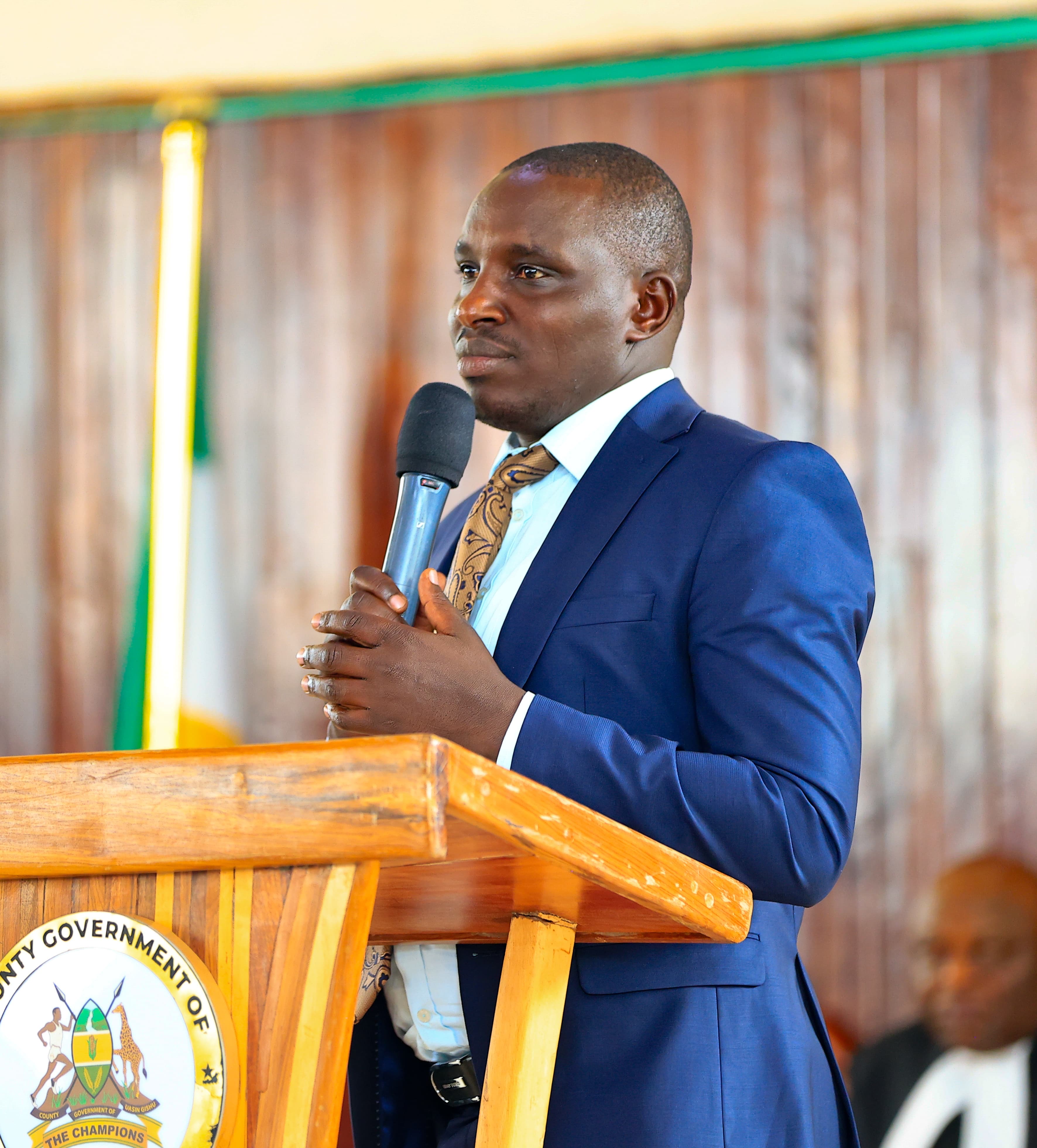
Speaking during a stakeholders engagement forum, Deputy Governor Evans Kapkea outlined the county’s commitment to collaborative approaches that prioritise the well-being of residents.
Read Also
He noted that the partnership will support efforts to upgrade healthcare facilities, equip community health promoters and digitise health systems in line with Governor Jonathan Bii’s Nguzo Kumi blueprint on universal healthcare and economic empowerment.
“This collaboration goes beyond healthcare; it’s about improving livelihoods through health entrepreneurship, skills development, and modernised service delivery,” Kapkea said.
Through the partnership, 138 health facilities including dispensaries and health centers will benefit from strengthened primary healthcare systems, training for community health promoters, and improved access to digital health technologies.
The initiative also focuses on skilling young people to tap into health-related business opportunities, particularly in underserved rural communities.
“We are grateful to Moi University and the Mastercard Foundation for bringing this opportunity closer to our people,” Kapkea said.
County health executive Joseph Lagat said the collaboration will help address gaps in healthcare delivery by empowering front-line workers and leveraging technology to enhance efficiency, particularly in preventive care and disease surveillance.
“This programme complements our county’s broader agenda of providing accessible, affordable, and quality healthcare for all. By focusing on capacity building and partnerships, we are creating sustainable health systems for the future,” he said.
Moi University, represented by project lead Prof Patrick Kere, highlighted the institution’s role in training health workers and supporting digital health innovations critical to modern service delivery.
The university pledged commitment to working with the county to advance healthcare infrastructure and workforce capacity.
Mastercard Foundation project manager Emmanuella AlimLim expressed optimism that the ongoing collaboration would unlock new opportunities for youth employment through entrepreneurship and innovation in healthcare.
She emphasised the need to promote alternative medicine and establish botanical gardens as part of an integrated health approach that respects traditional knowledge while encouraging research.
Kapkea said the partnership with Moi University and the Mastercard Foundation was expected to serve as a model for how counties can leverage academic expertise and global philanthropy to strengthen healthcare systems and generate meaningful socio-economic impa