

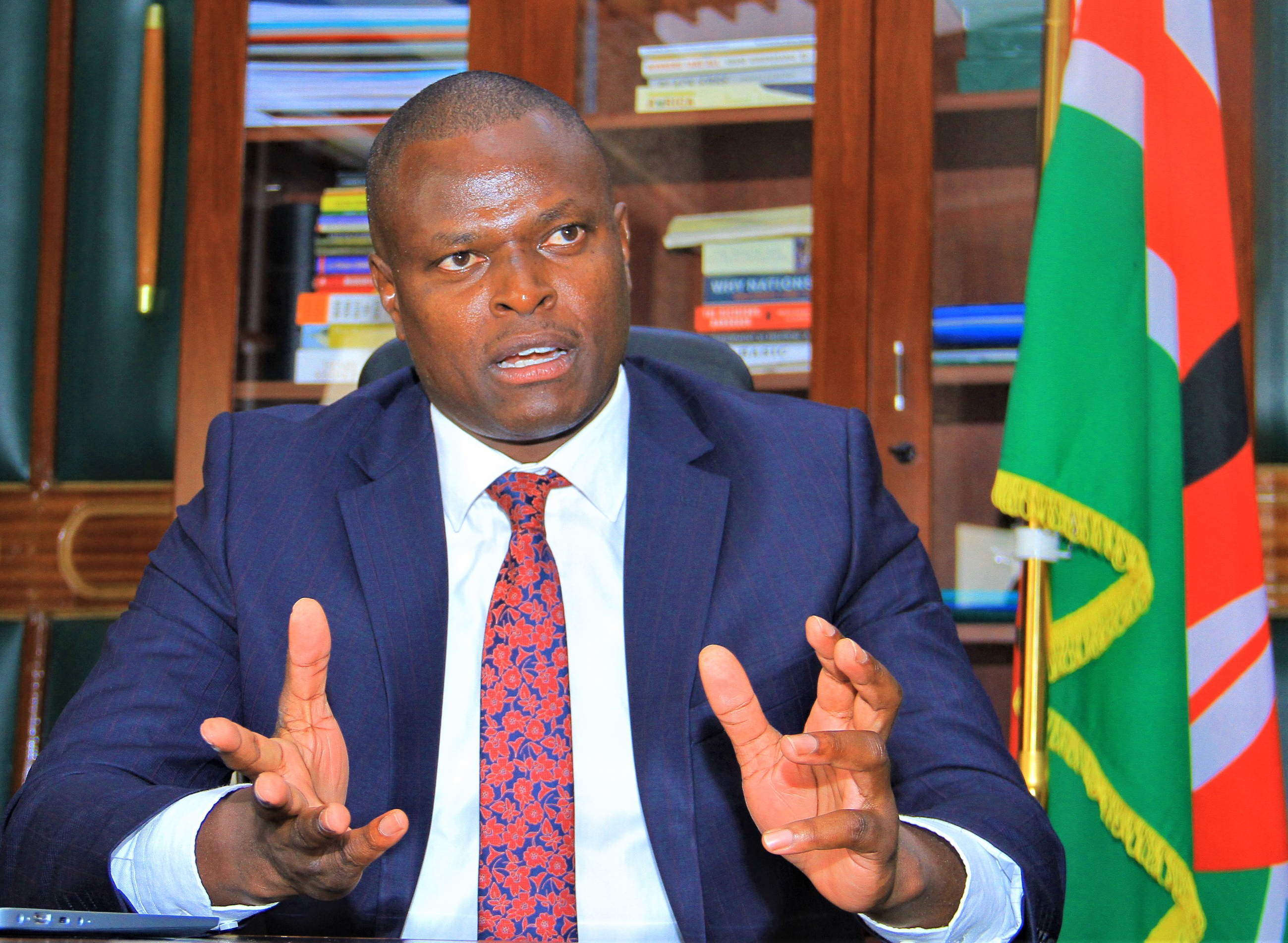
Kiharu MP Ndindi Nyoro has criticised the recent surge in fuel prices, dismissing the government’s explanation as misleading and incomplete.
Speaking out on the issue, Nyoro challenged the Ministry of Energy’s claim that the hike is due to rising global oil prices — pointing out that the highest global oil prices were actually recorded last year, not this year.
Read Also
Nyoro argued that the true culprit is excessive taxation and the securitisation of fuel levies.
He said over Sh80 shillings per litre of petrol and Sh76 per litre of other fuels paid by Kenyans at the pump go directly into taxes and levies.
“In an oil-importing country like Kenya, the only effective tool the government has to stabilise fuel prices is adjusting taxes. Sadly, this is where the government is failing,” he said.
He further said last year, at a time when global fuel prices were declining, the government quietly introduced a Sh7 fuel levy.
This, he claims, prevented Kenyans from benefiting from lower global prices.
Even more concerning, Nyoro alleged, is the government’s move to securitise this levy and borrow Sh175 billion against it — funds that are not reflected in the official debt records and were never approved by Parliament. “This raises serious accountability and legal concerns,” he warned.
Nyoro demanded transparency regarding the amount borrowed, the lenders involved, the interest rates and the implications for future budgets.
He cautioned that by spending money collected in advance from fuel levies, the government is tying the hands of future administrations in budgetary decisions.
“If we continue allowing public levies to be used as collateral for loans without parliamentary oversight, what will stop future lenders from securitising VAT, PAYE, or NHIF? What will remain of Kenya’s financial sovereignty?” he questioned.
The MP is calling for urgent transparency from the National Treasury, a public audit of all off-book borrowing, and a nationwide dialogue on sustainable fiscal management.







