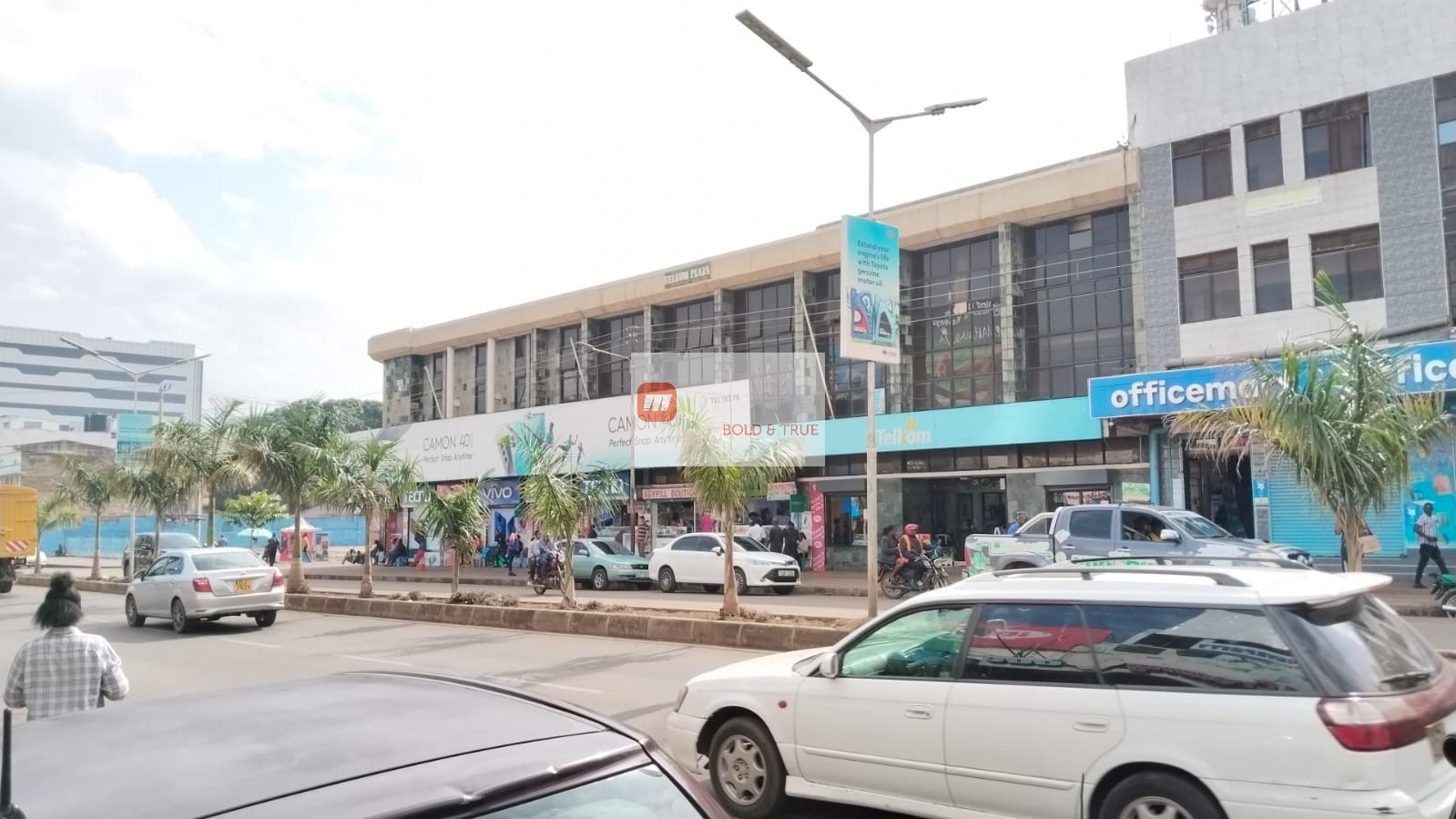
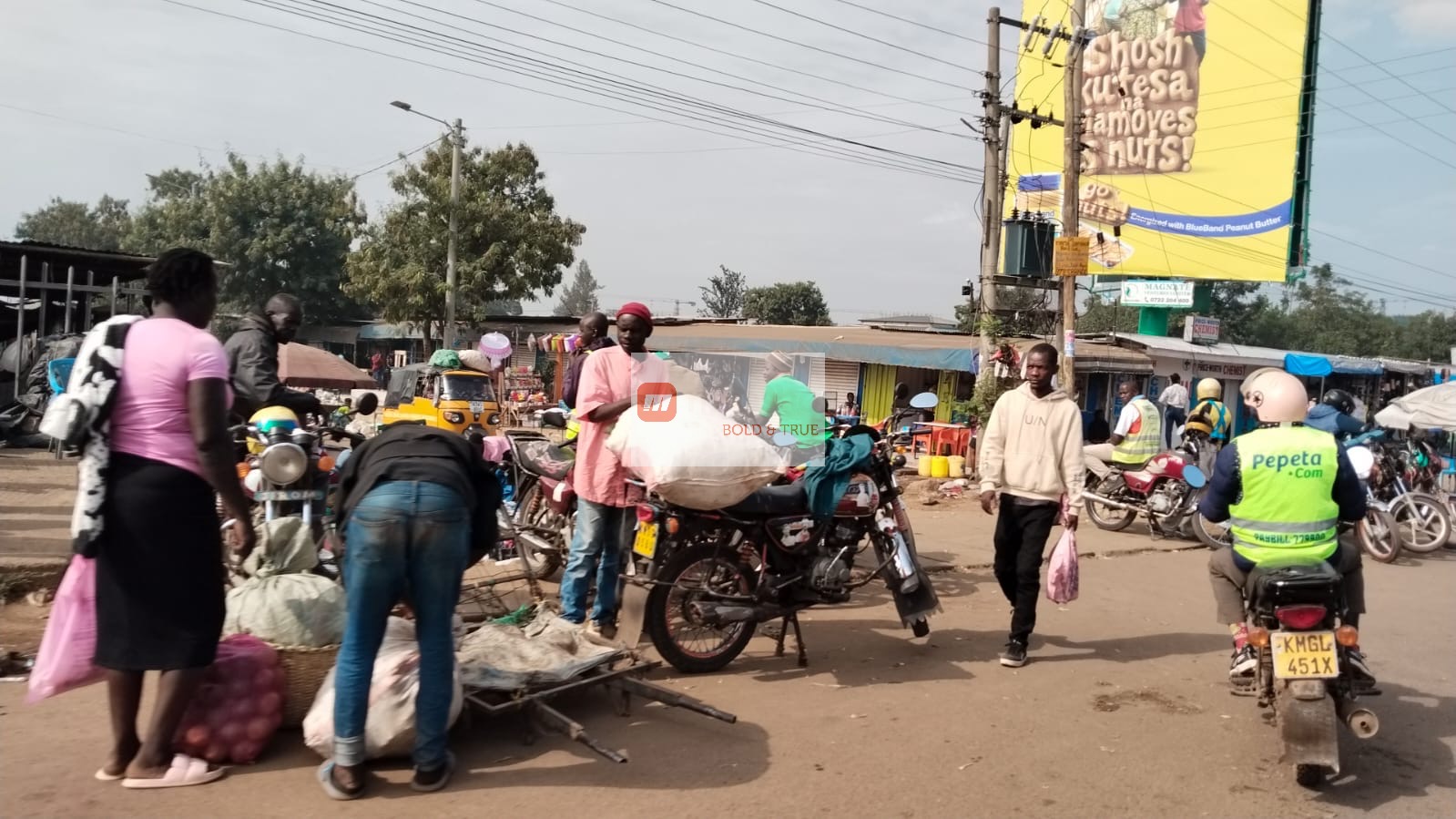
While parts of Nairobi experienced extensive road closures and significant disruption during this year’s Saba Saba commemorations, Kisumu city has remained remarkably calm and orderly.
There have been no reported incidents of disruption, with daily activities carrying on without interference. Businesses opened on time, public transport operated normally, and city streets remained free of protest gatherings.
Authorities had earlier increased security presence in anticipation of possible unrest, deploying patrol units across key parts of the city.
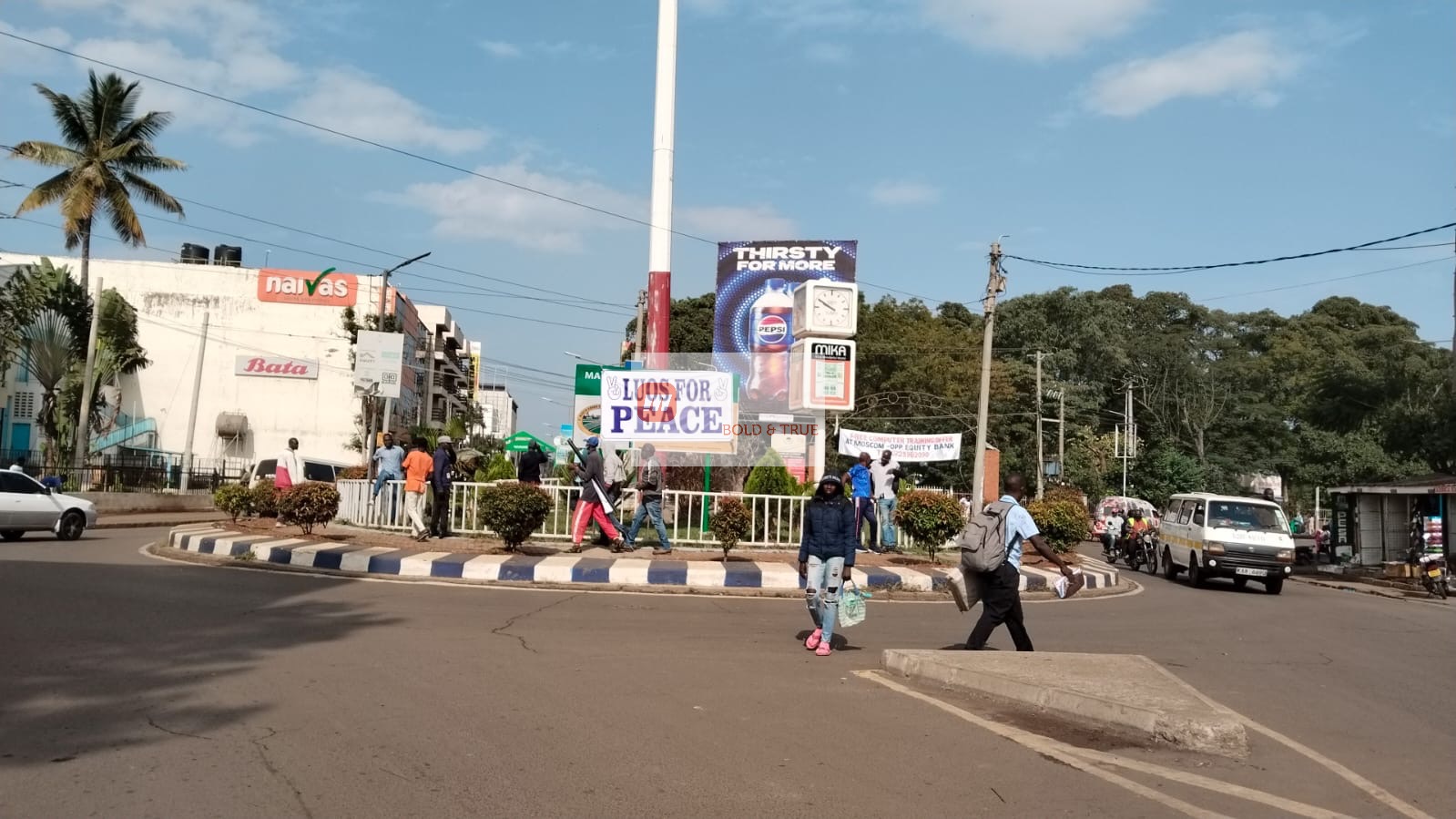
However, no confrontations occurred, and the security teams maintained a low-profile posture as they monitored the situation.
Saba Saba, observed annually on 7th July, commemorates the historic 1990 pro-democracy protests and continues to serve as a symbolic day for political expression in Kenya.
While it has sparked unrest and significant government action in various regions this year, Kisumu’s steady and peaceful atmosphere has been a standout development.
Understanding Saba Saba
This is a politically significant date that symbolizes the country's long struggle for democracy, civil liberties, and multiparty politics. “Saba Saba,” which means "seven-seven" in Kiswahili, refers to the seventh day of the seventh month, when in 1990, thousands of Kenyans defied a repressive regime to demand political reforms.
At the heart of this historical moment were prominent opposition leaders and human rights activists who organized mass demonstrations against the one-party rule of then-President Daniel arap Moi.
Among the key figures in the movement were Kenneth Matiba, Charles Rubia, and Jaramogi Oginga Odinga, who demanded the restoration of multiparty democracy.
Since then, Saba Saba has evolved into an annual day of reflection and protest. While some use it to commemorate Kenya’s democratic gains, others use the day to highlight ongoing struggles such as economic hardship, corruption, and government accountability. In recent years, it has been marked by protests, particularly by opposition supporters and activists calling for reforms or expressing dissatisfaction with the government of the day.