Behind billions of shillings in annual profits, and dividends issued by Kenya’s insurance sector, a silent scheming is bleeding underwriters.
Men and women in white coats, badges and briefcases who are expected to help uphold the law are colluding to break it and rob insurers of millions of shillings
It is not the rise in road accidents or natural calamities pushing premiums higher—it’s the growing, coordinated web of insurance fraud, with those meant to uphold the law and save lives now implicated as architects.
From crooked lawyers and magistrates who know how to manipulate regulations, to complicit police who are supposed to uphold it, to rogue doctors who are pushed by profits for their hospitals, it is a well coordinated syndicate.
The vice has been prevalent in the motor accident claims and electrocution injury claims, which according to an investigator, have been recording the highest number of suspected fraudulent claims.
In the past three years the underwriter’s fraud unit received 25 cases of suspected motor and electrocution claims in 2022, rising to 49 in 2023, a marginal drop to 45 in 2024 and in the first five months of this year (2025) 12 suspected cases have already been reported.
Fake motor theft claims rank highly among claims in Kenya, with data from the Directorate of Criminal Investigations-Insurance division, showing that in 2022, there were 44 such cases.
In 2023, the cases dropped to 35 and rose to 38 last year. In the first five months to May 2025, 18 cases have been brought to the attention of the investigators.
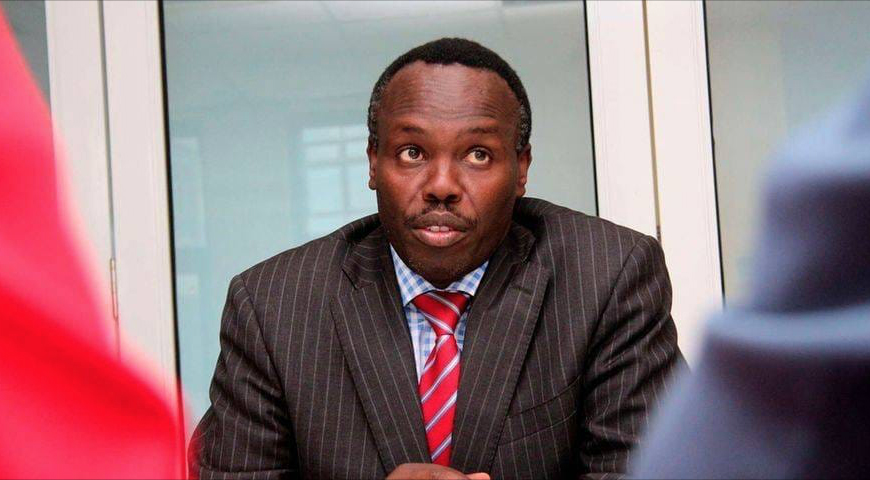
Insurance Regulatory Authority chief executive officer, Godfrey Kiptum told the Star that they have already identified the areas that these ‘cartels’ operate and have initiated legal redress.
“We are pursuing one crime ring in Machakos and another along the Nairobi-Nakuru highway where people were treated purportedly for an accident and they all received same medication while investigations show that some of those treated had not travelled,” Kiptum said.
According to recent industry data, insurance fraud costs Kenyan companies over Sh4 billion annually, a staggering amount that is quietly inflating premiums for honest citizens and eroding public trust.
Investigations now reveal that some of the main perpetrators are police officers, doctors and lawyers—key figures who should be defending the rule of law.
A senior DCI claims investigator at Insurance Fraud Investigation Unit explains the detailed fraud rings that operate with surgical precision.
“A police officer stages or records a false accident. A doctor fabricates medical reports and a lawyer ensures the claim is settled—sometimes even through court. Each person gets a cut,” said the DCI officer based at Insurance Fraud Investigation Unit.
In one infamous case uncovered in 2024, a ring operating between Nairobi and Nakuru filed over 25 fraudulent personal injury claims in under a year.
“Most victims didn’t even know their names were being used,” said the DCI officer at IFIU. “Some were listed as injured passengers in accidents that never happened.”
At the centre of many claims are doctored records—literally. Unscrupulous medics, often from private clinics in Nairobi, Kisumu and Mombasa, are found to be issuing injury reports for non-existent or exaggerated conditions.
“We have seen X-rays that were copy-pasted, reports stating broken limbs when the individual never even visited the hospital,” says our source at the Insurance Fraud Investigations Unit. “They know how to make the reports just believable enough.”
The new trend is a slight shift from a 2023 report by the insurance regulator that confirmed that medical-related fraud topped all insurance scams, accounting for over 40 per cent of flagged claims.
Legal muscle behind the curtain
But no claim moves forward without a push from a legal counsel. Unscrupulous lawyers have been implicated in fast-tracking fraudulent claims through the courts, negotiating out-of-court settlements that ensure cash is paid before deeper scrutiny can occur.
Official data shows that the number of lawyers implicated in insurance fraud rose from one in 2023 to four in 2024, with one already having been implicated in the first five months of 2025.
In Kenya the law requires that, when accidents happen—or don’t—the police are the first point of documentation, making them a crucial player in the chain or in the scam for this instance.
The true victims are everyday Kenyans who now face higher premiums, delayed claims processing and a general erosion of trust in the insurance system.
So big is the issue that some insurance firms have had to cancel insurance offerings for some models perceived susceptible to accidents.
In 2022, owners of five Toyota car models (Probox, Succeed, Sienta, Passo and Porte) faced challenges in obtaining comprehensive insurance coverage. Some insurers denied them comprehensive covers.
This is attributed to losses incurred by insurers due to what the insurers attributed to "misuse" of these vehicles exposing them to increased claims.
Esther, a digital hailing taxi driver, who didn’t want us to use her full name, says the current insurance premiums they are paying for their taxis is high.
“There are others (taxi drivers) who have been forced to operate without the PSV insurance because its expensive and we have a lot of costs to meet,” Esther said.
The regulator points out that small businesses and low-income earners suffer most.
When premiums go up, the boda boda rider or kiosk owner drop the cover, increasing the national exposure and reduces the financial safety net for millions.
The Insurance Regulatory Authority have launched several crackdowns, including the 2023 rollout of an insurance fraud database, allowing companies to share information on suspected fraudsters.
Yet enforcement remains weak. Of the 500 fraud cases flagged last year, less than 50 reached court, and fewer than 10 ended in conviction.
Experts are calling for a multi-agency approach, digital records, biometric verification and AI-powered fraud detection are also being piloted.
For instance, Jubilee Holdings foiled fictitious insurance claims worth Sh400 million in the financial year ended December 2024, highlighting the gains of enriching their digital systems with artificial intelligence capabilities.
“The more fraud we eliminate, the more we can reduce product pricing. This will increase insurance penetration which is still at three per cent in Kenya,” Jubilee Holdings CEO Julius Kipng’etich said.
The CEO, during the release of the underwriters 2024 financials, said that tech solutions are not only detecting more fraud but also making insurance products more convenient and accessible to the average customer.
Association of Kenyan Insurance said it is yet to produce any recent report on insurance fraud in the country.
However, there has also been a rise in the number of motorists faking covers.
Insurance is supposed to offer peace of mind, ensuring financial protection in case of unforeseen calamities.
Yet, an alarming rise in fake insurance covers, especially motor insurance has left many unsuspecting drivers exposed to financial loss, legal trouble and devastating consequences.
The insurance sector has been on the spotlight in the past few years with collapses and massive fraud both from insider sources and collusions that has sunk some of the industry players.
On May 21, seven directors and former directors at Invesco Assurance Company Limited and Compliant Insurance Agency who had been under investigation for suspected insurance fraud were arraigned at the Chief Magistrate's court, Milimani.
Their arrest and subsequent arraignment followed investigations conducted by DCI's Insurance Fraud Investigation Unit, which commenced on September, 2024 when officials at the Insurance Regulatory Authority discovered a broad fraudulent scheme implicating them.