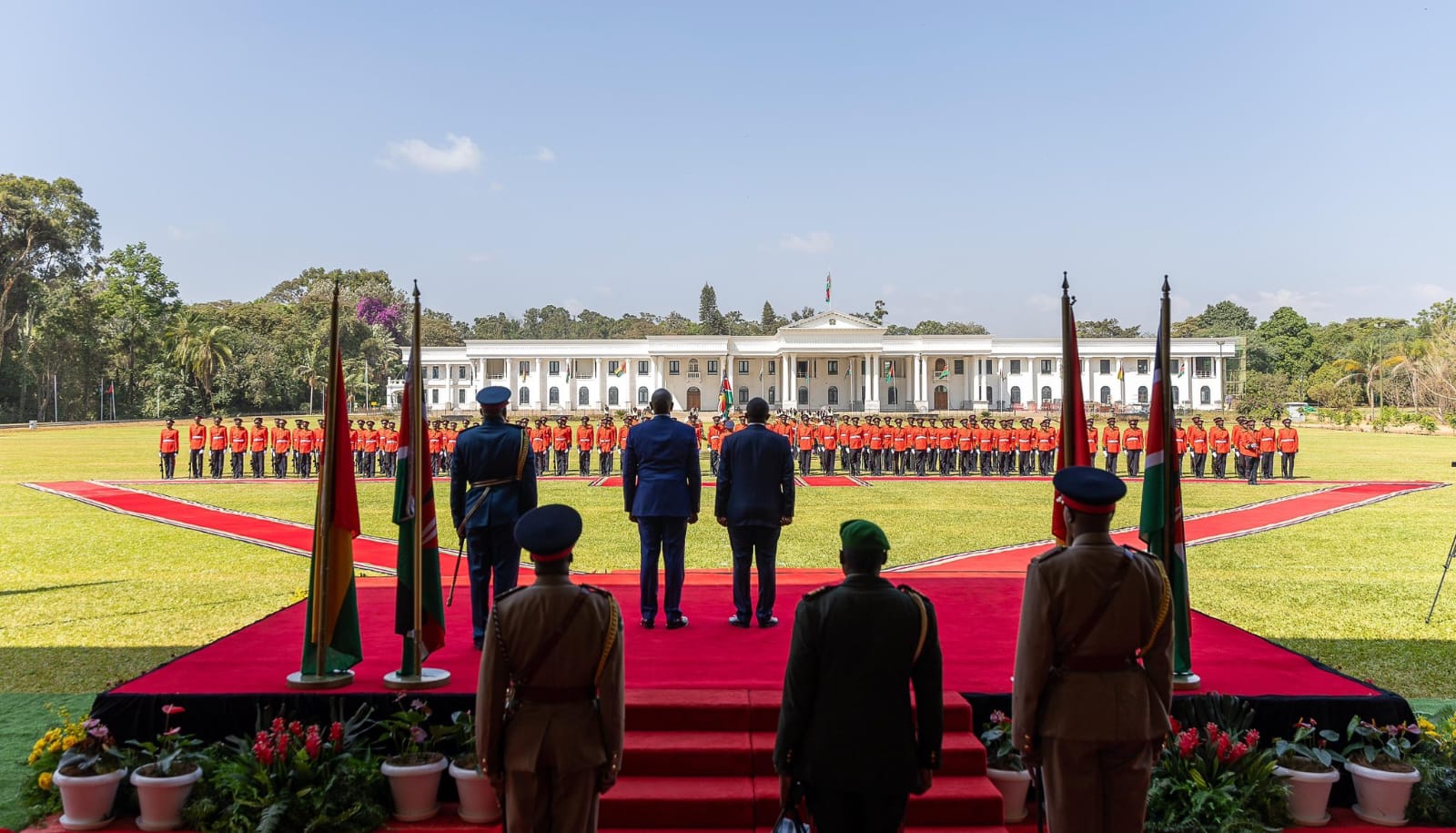
The revelation that President William Ruto is overseeing the construction of a massive church within the grounds of State House, Nairobi, has sparked widespread debate across Kenya.
Reported by The Daily Nation on 3 July 2025, the project—estimated to cost KSh 1.2 billion and designed to seat 8,000 people—has raised serious questions about the constitutional principle of the separation of church and state, igniting heated discussions both online and in public discourse.
Kenyans on social media platform X have been vocal in their criticism of the project.
One user, @KisumuActivist, tweeted, “State House building a church? This is a blatant violation of our Constitution. Ruto’s mixing religion with politics again. #SeparationOfChurchAndState.”
Another, @NairobiYouthVoice, added, “KSh 1.2 billion for a church while hospitals lack beds? This is priorities all wrong. #TaxPayersMoney.”
Supporters of the initiative, however, argue that the church symbolises national unity and spiritual grounding.
@FaithfulKenyan posted, “A church at State House is a place for prayer and reflection. It’s not about politics but spirituality. #UnityInFaith.”
Echoing this sentiment, @ChurchGoer254 commented, “Ruto’s faith is his strength. This church will be a beacon for all Kenyans. #GodFirst.”
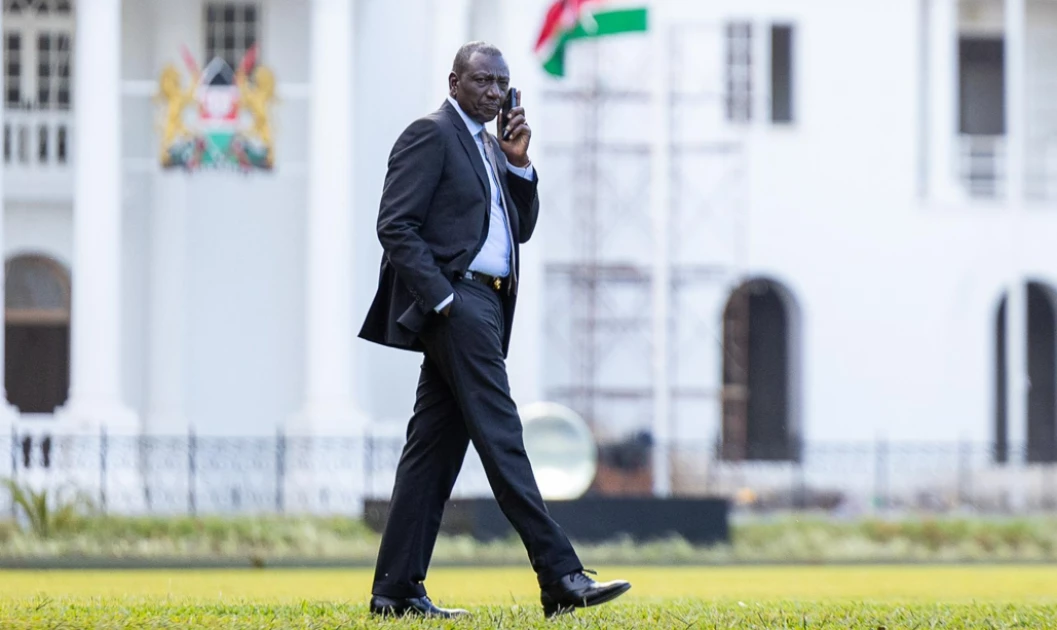
Kenya’s Constitution, particularly Article 10, enshrines the national values and principles of governance, including the rule of law and the separation of church and state.
While Article 32 guarantees freedom of religion, Article 10(2)(a) stresses the need to uphold a secular state where no religion is given preference.
Legal expert @ConstitutionWatch observed, “Article 10 is clear—Kenya is a secular state. Building a church at State House with public funds raises serious legal questions. #ConstitutionalCrisis.”
This viewpoint is supported by a 2023 analysis by the Katiba Institute, which cautioned that state endorsement of religious institutions could undermine secular governance.
The construction, situated near the presidential helipads, has also raised concerns about its symbolism. @PoliticalAnalystKE tweeted, “A church at the heart of executive power? This erodes the separation of powers. Ruto’s blurring lines. #CheckAndBalances.”
The Daily Nation’s report revealed architectural plans including four prayer rooms and a family room, fuelling public speculation about whether taxpayers will bear the cost.
@TaxPayerKenya highlighted this, tweeting, “KSh 1.2 billion from our pockets for a church? This is unacceptable. #NoToStateChurch.”
The 2010 Constitution was explicitly designed to prevent the intertwining of state and religion.
@HistoryMatters254 noted, “Remember when Uhuru tried to mix politics and religion? This feels like déjà vu. #LearnFromHistory,” drawing parallels with former President Uhuru Kenyatta’s tenure when similar concerns were raised.
@GlobalObserver commented, “Kenya’s State House church is a unique case. Most secular states avoid such overt religious symbols. #WorldWatch.”
Human Rights Watch, in a 2024 report on religious freedom in Africa, underscored the importance of secular governance in safeguarding minority rights.
This was echoed by @MinorityRightsKE, who warned, “This church could marginalise non-Christian Kenyans. #InclusiveKenya.”
Representing younger voices, @GenZKibera wrote, “We’re protesting for justice, not churches. Ruto, focus on the people, not prayers. #Priorities.”
Meanwhile, @ChurchAndStateKE called for action: “The Constitution is clear—separation is non-negotiable. This church must be stopped. #LegalActionNow.”
The State House has yet to respond to multiple media queries, leaving Kenyans to grapple with the profound implications of this project.