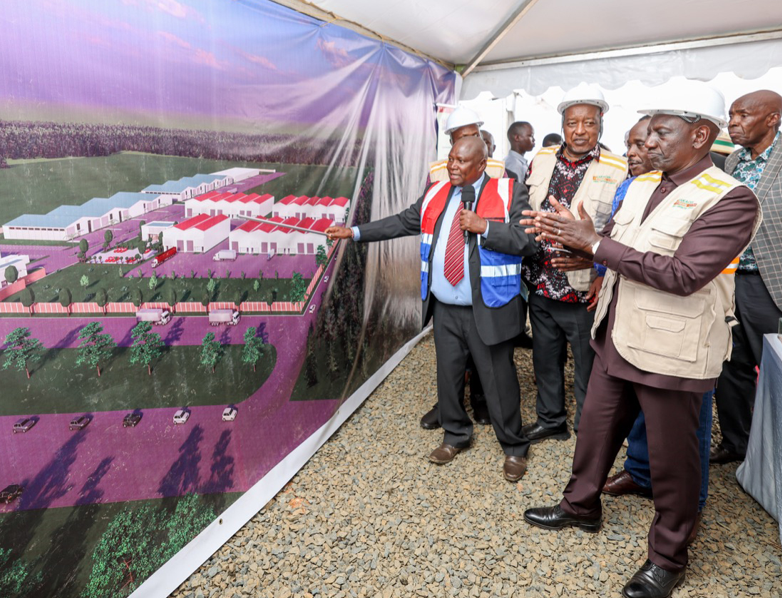
President William Ruto’s flagship Sh23.5 billion County Aggregation and Industrial Parks initiative is facing mounting criticism, with some senators and governors expressing concerns over its execution and impact.
The concerns follow a report by Auditor General Nancy Gathungu, which highlighted a lack of measurable benefits for citizens and raised questions about the viability and design of the project.
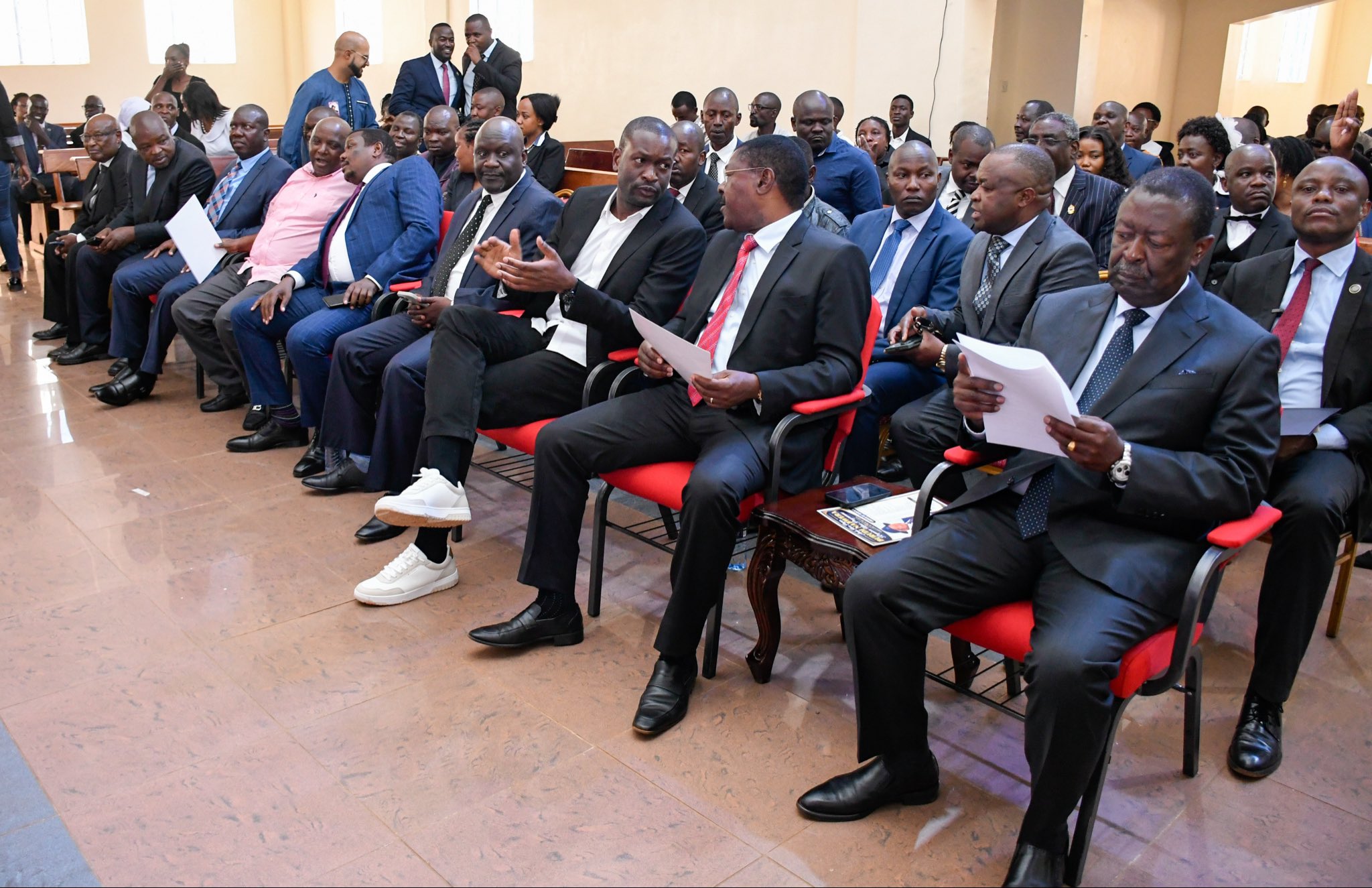
Governors, led by Siaya’s James Orengo, told the Senate’s County Public Accounts Committee on Monday that the parks were established without adequate consultation, resulting in infrastructure that has yet to attract investors.
“The project was challenged from the start,” Governor Orengo told the committee chaired by Homa Bay Senator Moses Kajwang’.
“We’ve been left with warehouses no one wants.”
Orengo said the national government led the process, from design to contractor selection, without involving county governments or the private sector in key decisions.
Despite counties being required to co-fund the project with Sh11.75 billion (Sh250 million each), he said they were not included in feasibility assessments or stakeholder engagement.
“The private sector, which was expected to be a key investment partner, was not sufficiently engaged,” Orengo added.
“We spoke with investors in cotton and leather, but they said the warehouses don’t meet their operational needs.”
According to the governor, Siaya County has so far received Sh53 million of the expected Sh250 million allocation from the national government, despite contributing Sh123 million from its own budget. In the 2023–24 financial year, Sh1.15 billion was disbursed out of a Sh4.5 billion allocation.
In 2024–25, Sh1 billion has been released from a Sh2 billion budget, with further reductions anticipated.
“Had we been allocated Sh300 million to develop a cotton ginnery tailored to Siaya’s needs, we would have seen more tangible value,” Orengo said.
He noted that the requirement for counties to provide at least 200 acres for the parks is unrealistic in some areas, particularly in land-scarce regions like Nairobi.
Nairobi Senator Edwin Sifuna criticised the implementation of the project, saying there was inadequate county involvement in planning and design.
“Decisions are being made in Nairobi without input from the counties,” he said.
He added that Makueni Governor Mutula Kilonzo Jr had informed senators that his county was not involved in planning, with design specifications issued from the national level.
Taita Taveta Senator Johnes Mwaruma questioned the rationale behind establishing aggregation parks in counties with limited agricultural output.
“What should come first—agricultural production or industrial parks?” he asked. “Some counties have nothing to aggregate.”
Nandi Senator Samson Cherargei raised concerns about the absence of a clear legal framework to govern collaboration between national and county governments on such projects.
Orengo said the initiative reflected a top-down approach, with limited regard for county-specific priorities.
“The model was one-size-fits-all,” he said. “Many counties would have preferred to allocate the funds to more urgent local needs.”
Asked why governors accepted a project they now criticise, Orengo said political considerations influenced the decision.
“It became a political issue. If you declined the funding while construction was happening in neighbouring counties, there would be pressure,” he said.
Senator Mwaruma pressed further: “If Makueni declined to proceed with the project due to limited benefits, why did others continue?”
Orengo did not respond directly but reiterated that the process lacked genuine intergovernmental collaboration, leaving counties with limited input into a nationally driven initiative.