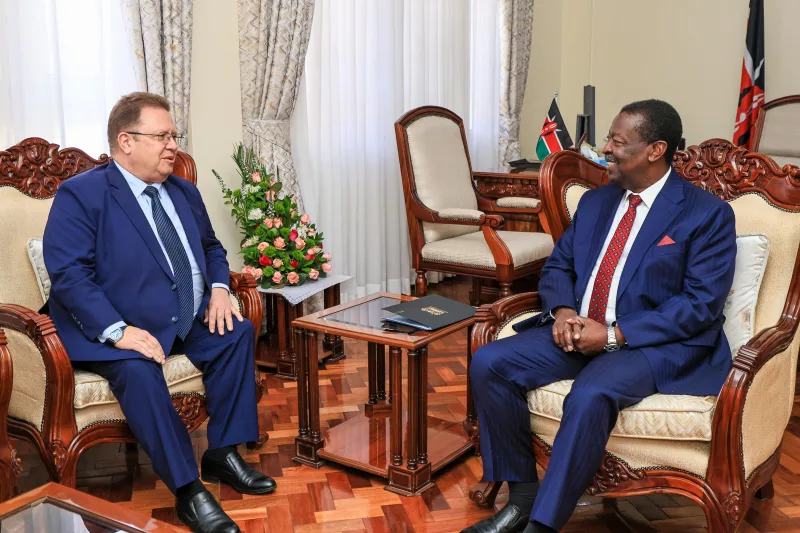
A proposal by COTU Secretary General Dr. Francis Atwoli to repurpose Nairobi National Park for urban development has sparked outrage across Kenya, with conservationists, citizens, and environmental organizations calling it reckless and short-sighted.
The Friends of Nairobi National Park (FoNNaP) have issued a statement condemning the remarks, saying the park is not an obstacle to Nairobi’s development but a critical part of its global identity and ecological future.
Speaking during a recent public address, Atwoli cited growing population pressure and congestion in the capital as justification for expanding the city into the park’s protected land.
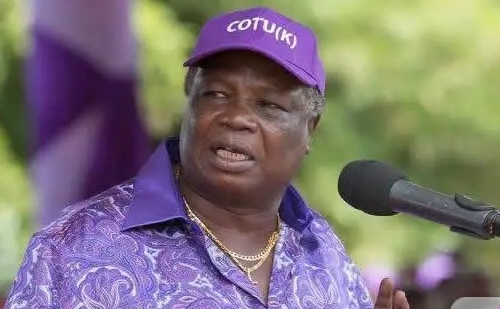
“We must use the national park land around Nairobi. We must take those animals to Maasai Mara,” Atwoli said, suggesting that relocating the wildlife would free up space to build roads, industrial parks, and other infrastructure. He added, “We need a new Nairobi with facilities and a manufacturing base,” and described Nairobi National Park as a hindrance to the city’s transformation into a world-class metropolis.
FoNNaP, a non-profit advocacy group that works with Kenya Wildlife Service to protect the park and its ecosystem, swiftly rejected the proposal. In their June 23 press release, they emphasized the irreplaceable ecological, economic, and cultural value of Nairobi National Park, the only national park within a capital city in the world.
“Destroying the park would have irreversible environmental, economic, and cultural consequences,” FoNNaP stated. “A truly international Nairobi thrives with its iconic park, not without it.”
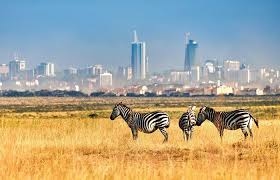
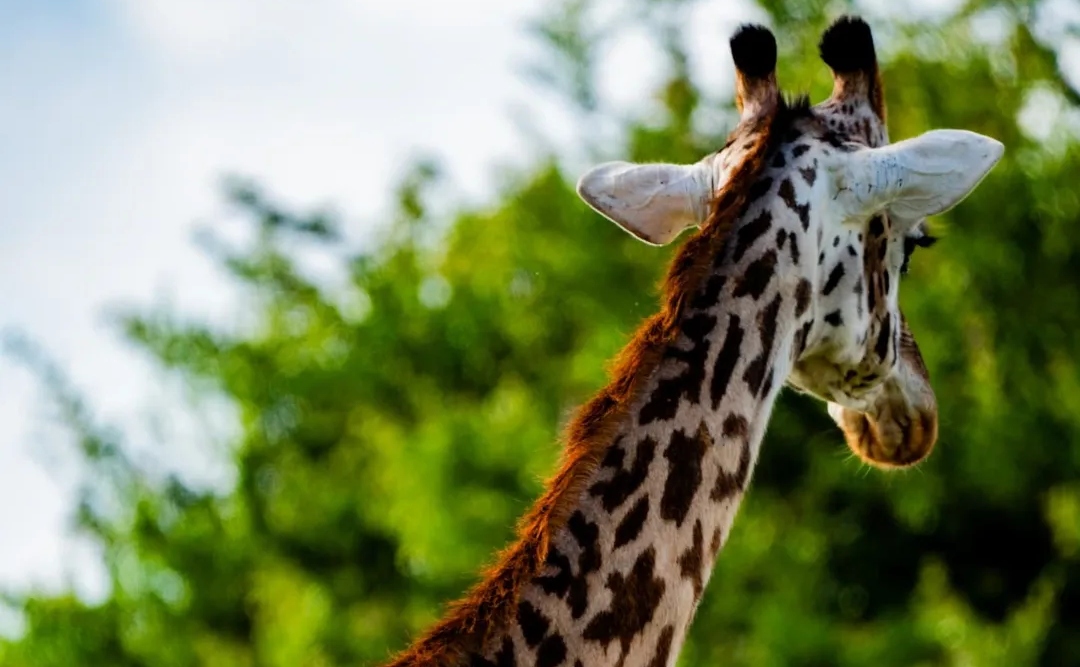
Established in 1946, Nairobi National Park covers 117 square kilometers and is home to over 100 species of mammals, including lions, leopards, buffalo, and the critically endangered black rhinoceros. It also harbors more than 500 bird species. The park serves as a vital carbon sink, regulates the local climate, and provides a natural buffer against urban sprawl. Its disappearance, experts warn, would lead to increased flooding, soil erosion, and a collapse in local biodiversity.
FoNNaP further argued that Atwoli’s suggestion to relocate the animals to Maasai Mara is ecologically unfeasible and scientifically unsound. “Mass translocation of wildlife, especially endangered species like black rhinos and vultures, is costly, traumatic for the animals, and unlikely to succeed,” they warned. “The Mara is already at ecological capacity and lacks the microhabitats found in Nairobi National Park.”
Beyond environmental concerns, the group emphasized the economic implications. The park attracts thousands of tourists each year, supports jobs in ecotourism and hospitality, and contributes significantly to the local and national economy. Its removal, they cautioned, would damage Kenya’s brand as a leader in conservation and sustainable tourism.

Atwoli’s remarks also directly contradict recent government actions to strengthen wildlife protection. On April 29, 2025, the government approved the establishment of a critical wildlife corridor connecting Nairobi National Park to the Athi-Kapiti ecosystem. This corridor is meant to enhance animal migration routes and reduce human-wildlife conflict, an initiative that would be rendered meaningless if the park were destroyed.
“What modern cities need is not the destruction of nature, but the integration of green spaces with infrastructure,” FoNNaP asserted. They pointed to global cities that prioritize ecological sustainability, such as Singapore and Amsterdam, as models Nairobi should emulate.
FoNNaP is now calling on the government, planners, and citizens to reject the proposal and protect Nairobi’s natural heritage. “Kenya must not trade short-term urban sprawl for long-term ecological ruin,” they warned. “The park is not just a patch of land, it is a symbol of national pride, a living classroom, and a lifeline for the city.”