Picture this; you take a bank loan to supply goods to a county government after winning a contract and more than 10 years later, you're still waiting for payment. Meanwhile, the bank is closing in—auctioning your property.
This is not fiction. It is the painful reality facing many contractors in the counties.
In a shocking revelation, senators have exposed the persistent failure of county governments to settle debts owed to small and medium-sized enterprises, some dating as far back as the 2014-15 financial year.
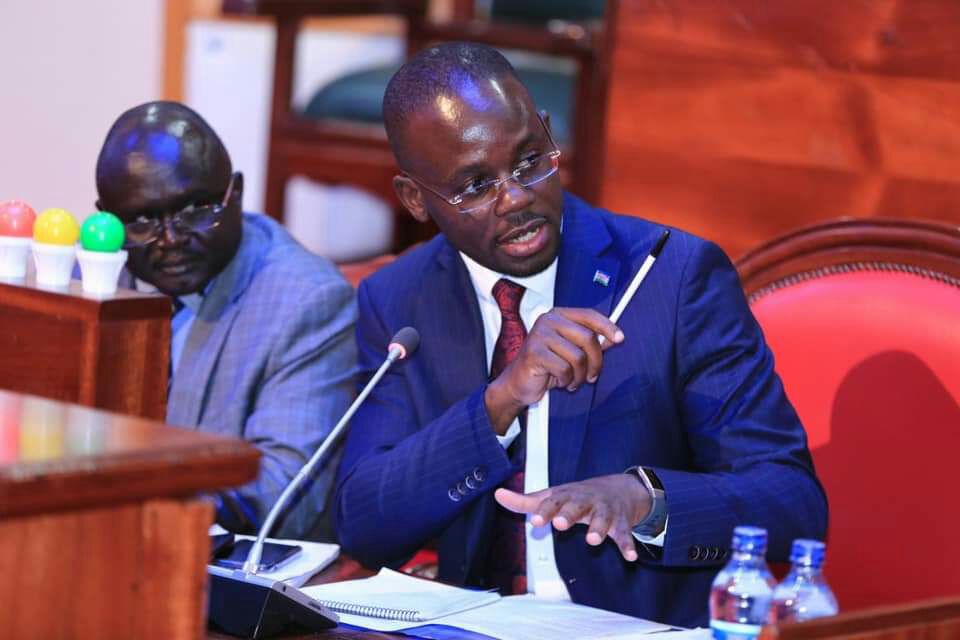
The revelations emerged during the Senate County Public Accounts Committee sessions, chaired by Homa Bay Senator Moses Kajwang’, which are currently grilling governors over damning audit queries.
At the centre of the storm are Tharaka Nithi and Garissa counties, which have been flagged for failing to pay contractors years after they delivered goods and services.
Senators expressed outrage over stories of small suppliers—some owed as little as Sh150,000—who are still chasing payment a decade later, even as wealthy contractors who recently secured multimillion-shilling road tenders are being paid promptly.
“It is unacceptable that county governments are rewarding big firms while small traders—who often take loans just to deliver on contracts—are left to suffer,” one senator said.
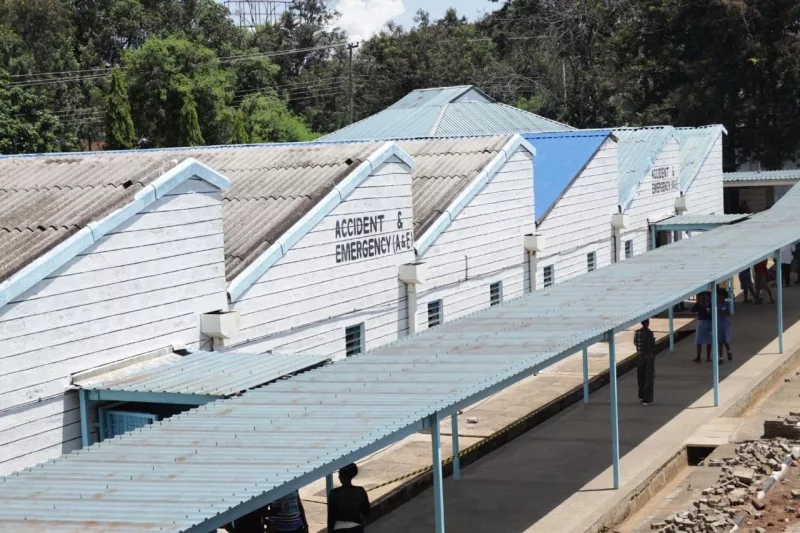
In Tharaka Nithi, CPAC raised alarm over the case of Sophia Enterprises, a firm that supplied foodstuffs to Chuka Hospital in the 2014-15 financial year but remains unpaid despite submitting multiple invoices.
“What could be the reason Sophia Enterprises, which supplied food in 2014-15, would remain unpaid to date?” Kajwang’ asked.
“How can one person have five invoices for food supplies from 2014 and you fail to pay even one?”
In response, Governor Muthomi Njuki—who was a Member of Parliament at the time the contract was awarded—said the county was still verifying the documents to confirm delivery.
“We have documents for the supply, but we are yet to validate that the goods were delivered,” Njuki said.
But senators were unconvinced. Kajwang' pressed further: “You have the LSO number, the invoice and the delivery note. What more do you need to confirm payment?”
Worse still, the county had never contacted Sophia Enterprises to request additional documents.
“This is unjust. This is unfair. This is unacceptable,” Kajwang’ said. “For 10 years, you're still verifying whether someone delivered meat to a hospital?”
Despite having a dedicated verification team, Tharaka Nithi has kept the bill on its books for over a decade. The governor defended his position, saying he would not authorise payment of unverified claims for fear of audit queries.
Tharaka Nithi’s pending bills now stand at Sh400 million.
In Garissa, the committee flagged a supplier owed Sh1.6 million since 2014 but who has only received Sh500,000 to date—while the county spends hundreds of thousands on the renovation of national government houses.
“Let us prioritise. If you're still holding onto bills from 2013-14, and you were governor at that time, then you're fake,” Kajwang’ said bluntly during the grilling of Governor Nadhif Jama.
The senator warned that the issue was more than financial—it was a life-and-death matter. “This is as bad as death. Some of the affected contractors have ended up taking their own lives,” he said.
Garissa county’s pending bills currently exceed Sh2.4 billion.
According to the latest county expenditure report released by Controller of Budget Margaret Nyakang’o, all the 47 counties have accumulated pending bills amounting to Sh172.51 billion as at March 31.
The Senate is now demanding a comprehensive audit of all pending bills, especially historical debts owed to small traders.
Legislators are also calling for tougher enforcement measures against counties that delay or evade payment of verified claims.
With the spotlight now firmly on governors and finance executives, the pressure is mounting for accountability and justice.
As outrage grows, thousands of affected contractors—many of whom have lost businesses, homes, and livelihoods—are left wondering if justice will ever be served.