The Council of Governors is laying the groundwork for a national rollout of a free school feeding programme targeting pre-primary learners.
This development follows the council’s initiative to create a national school feeding policy, in collaboration with Food for Education, a non-governmental organisation.
The partnership has them working on a model policy that counties can adopt to implement effective feeding programmes.
The proposed policy aims to improve the nutritional status of learners through targeted meal plans and micronutrient supplementation.
It also seeks to boost school attendance and enhance cognitive development among early childhood education learners.
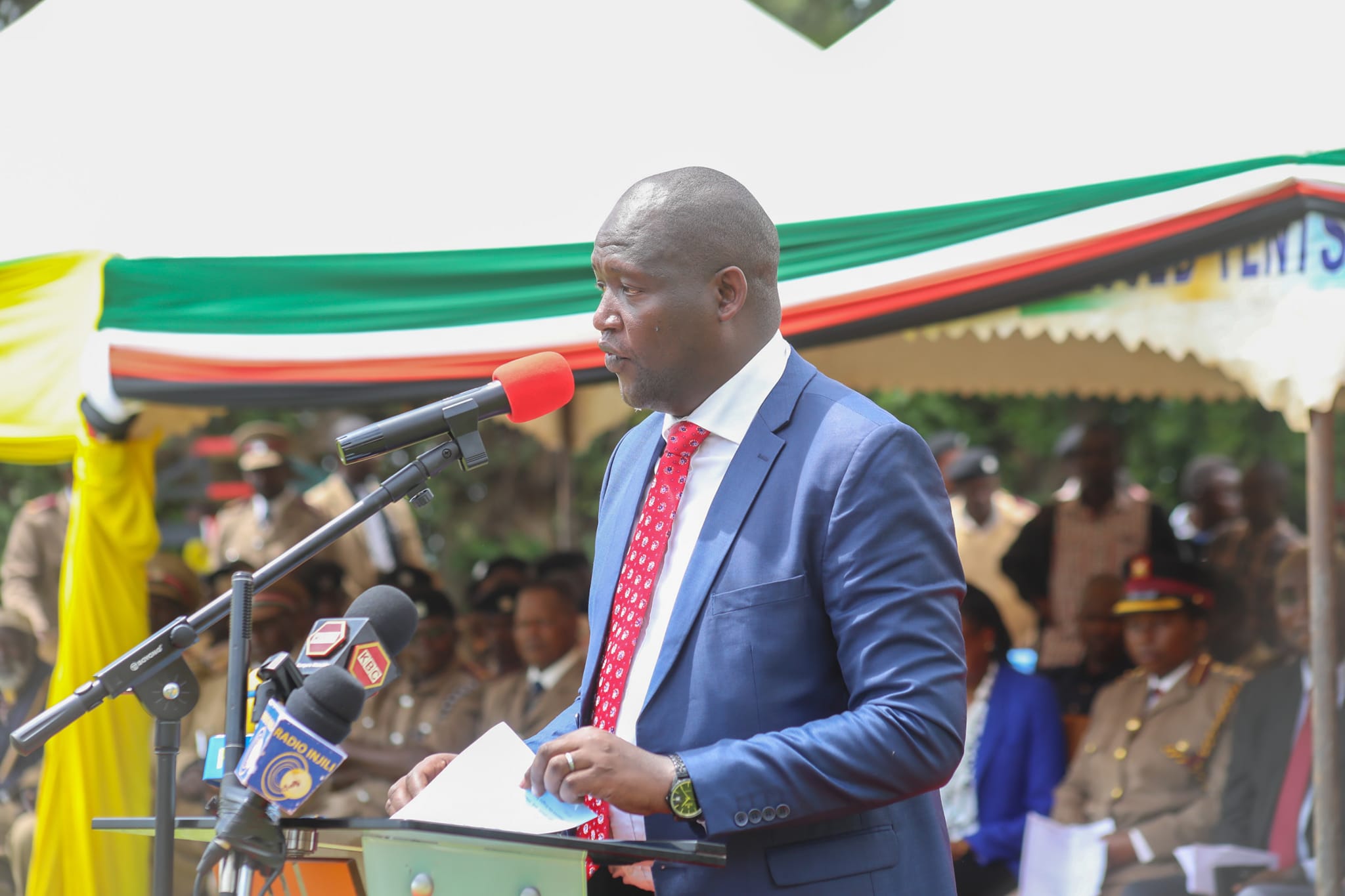
“This policy framework intends to establish sustainable, locally-appropriate school feeding programmes to improve child development, educational outcomes and community empowerment through coordinated, multi-sectoral approaches,” said Eric Mutai, chairperson of CoG Education Committee.
Mutai said persistent malnutrition—manifesting as stunting, wasting, and micronutrient deficiencies—continues to hinder cognitive development and academic performance in pre-primary school children.
Currently, some county governments have implemented school feeding initiatives.
Nairobi county, for instance, runs the Dishi Na County programme, which serves meals to more than 310,000 public primary school learners.
Murang’a and other counties have also launched similar programmes.
“We will not rest until every county government is equipped with the necessary policy guidance to implement robust school feeding programmes,” Mutai said during a consultative meeting with county education executives at the Acacia Hotel in Kisumu on Tuesday.
However, majority of counties are yet to establish such programmes often citing the absence of a national policy and insufficient funding as key barriers.
“Post-devolution efforts to implement school feeding have faced challenges including limited funding, unclear policy frameworks, fragmented programmes, and inadequate institutionalisation—making them vulnerable to external shocks,” Mutai explained.
The new policy seeks to ensure county-wide implementation of quality, accessible and equitable school feeding programmes. It also focuses on developing sustainable financing mechanisms and fostering multi-sectoral partnerships.
Key components of the policy include; local food procurement and farmer cooperatives, promoting agricultural development.
The policy established school gardens and agricultural clubs to encourage student participation and food sustainability.
It also toots for standardised infrastructure, such as kitchens, dining facilities and secure storage.
Improved water, sanitation and hygiene infrastructure as well as training and certification of food handlers, to ensure food safety and nutritional standards will be included.
The policy also emphasises community participation, with provisions for regular nutrition education forums, school meal committees and feedback systems that include marginalised groups.
This is intended to enhance community ownership and ensure accountability.
Additionally, the policy will be integrated into County Integrated Development Plans, with dedicated funding streams and capitation grants to support long-term sustainability.
Counties are expected to build partnerships with the private sector and community stakeholders.
“I urge all partners to ensure the draft model policy reflects the collective strength of all 47 counties. No child, regardless of their background, should be left behind due to hunger,” Mutai said.
INSTANT ANALYSIS
Kenya’s County Governments face persistent challenges in addressing malnutrition among pre-primary learners, with uneven implementation of school feeding programmes across counties. To address this, the Council of Governors, in partnership with Food for Education, is developing a national model policy. The proposed framework aims to establish sustainable, locally-adapted feeding programmes that enhance educational and developmental outcomes while promoting community empowerment and agricultural growth.