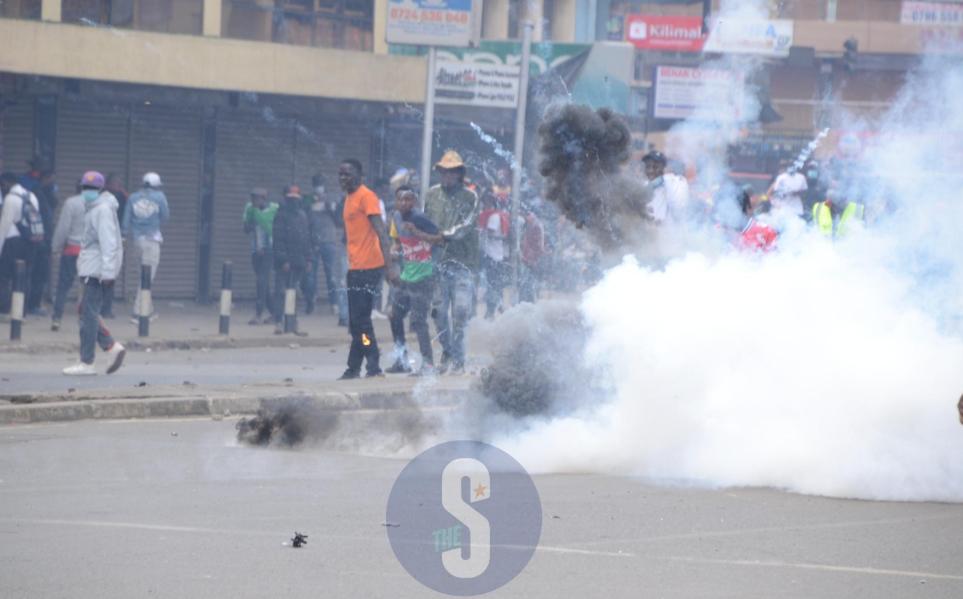
DOUBTS are mounting over the effectiveness of the multibillion-shilling police reforms, as allegations of brutality and excessive force continue to rise during a renewed wave of protests across the country.
Despite repeated promises of accountability and institutional transformation, law enforcement remains heavily militarised, with officers still accused of using disproportionate force against peaceful protesters and unarmed civilians.
Cases of police killings, enforced disappearances, abductions, and torture by law enforcement officers have become common, triggering public outrage and raising concerns about the true impact of the much-publicised reforms.
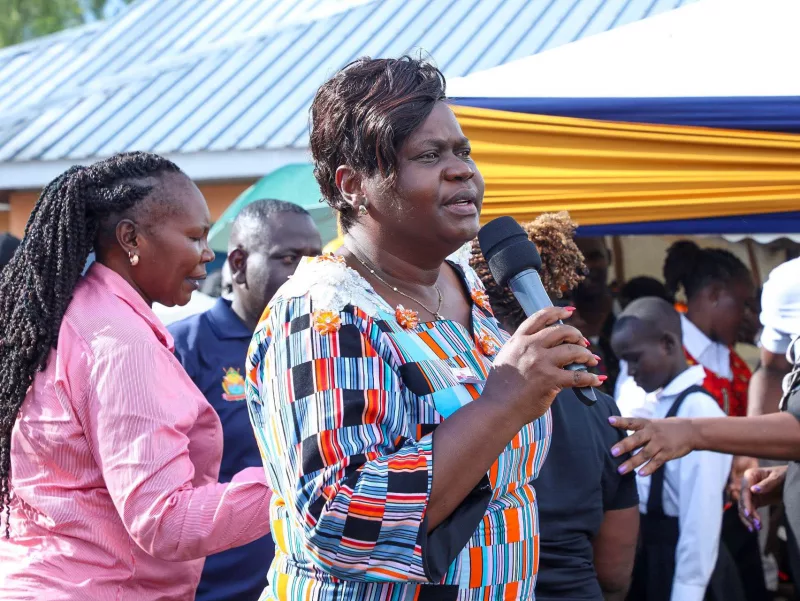
Former Independent Policing Oversight Authority chairperson Anne Makori said behavioural change among officers remains the biggest gap in efforts to reform the service.
“There is still a lot of work to be done to drive behavioural change. We tried during our time to implement some of these reforms, and we hope they will be continued,” Makori said in an interview with the Star.
She underscored the importance of sustained Ipoa involvement in the training and development of police recruits.
In the latest case of excessive force, a police officer was caught on video shooting a hawker at close range in broad daylight during clashes with demonstrators on Tuesday in Nairobi.
Ironically, the protests were sparked by the alleged murder of teacher and blogger Albert Ojwang’, who died under suspicious circumstances in police custody.
He was reportedly arrested at his rural home in Homa Bay by a team of DCI detectives and later found dead in a cell at the Central police station in Nairobi.
Ojwang’ was among several bloggers arrested for allegedly defaming Deputy Inspector General of Police Lagat, who has since stepped down following intense public pressure.
Civil society groups, human rights organisations, and Kenya’s vocal Gen Z movement have announced plans for intensified demonstrations as the country approaches the first anniversary of the June 25, 2024, protests—a day that saw dozens killed and protesters storm Parliament in a historic act of defiance against the Finance Bill and government excesses.
The planned demos will further test the police, who have triggered outrage over their excesses and brutal handling of protesters and harmless Kenyans.
Police reforms have been at the centre of the plans of successive regimes to turn around the image of the National Police Service, accused of brutality and graft.
Security expert George Musamali termed the reforms half-hearted, stating that the political class has mutilated the law and placed the police under the ambit of the Executive.
Musamali said the intended reforms, triggered by the 2007 post-election violence, were diluted in the 2014 amendment to the security laws that took away the independence of the police, the National Police Service Commission and Ipoa.
“Now, we have a service that is answerable to the political class who use them as their militia. Unless we de-link the police from politicians, we will continue blaming the IG, yet he is not the problem.
President William Ruto appointed a task force led by former Chief Justice David Maraga in a bid to instill reforms in the service.
The Maraga team identified funding shortfalls, bureaucratic bottlenecks, delayed policy development, and low stakeholder engagement as the main obstacles to the timely execution of the reform agenda.
Notably, modernisation plans aimed at improving operational preparedness and logistical capacity have experienced significant delays of modernisation reforms.
President Ruto said they needed more than Sh106 billion to roll out the proposed reforms.
Out of the money, Sh22 billion would finance improvement in compensation package for officers while Sh37 billion will go to the upgrading of the hardware and welfare reforms, and Sh45 billion is required to implement modernisation of the services.
Police also have not embraced the need to adopt technology for use to fight crime.
There is resistance, for instance, to adopt digitisation in the service.
This includes the Occurrence Book, instant fines on traffic offences and other operational issues like patrols, where they can use security cameras to monitor crime.
Digitising the OB would ensure crimes reported are followed to the conclusion. This will also address corruption claims at the station level.
Maraga, who chaired the police reforms team, has come out to demand for an overhaul of the entire police leadership in the wake of the killings and brutal attacks on civilians.
“President Ruto and his security leadership have failed to act against officers involved in abductions, torture and killings, especially over the past two years. This shows just how little they value Kenyan lives,” Maraga said.
He demanded immediate resignation and prosecution of DIC boss Mohamed Amin and DIG Lagat.
During former President Uhuru Kenyatta’s tenure, several police reforms, including police vehicles and a change of uniforms to give the police a new name, were instituted. Little has changed since.
In a series of online posts, protesters have outlined their upcoming activities to commemorate what they describe as the “darkest day” in the country’s political history.
Today, protesters plan to “Occupy Safaricom,” accusing the telecom giant of colluding with the state by sharing users’ data with law enforcement—claims the company has strongly denied.
On Friday, there will be nationwide peaceful processions and prayers led by the Muslim community, demanding justice.
On Saturday, SDA faithful will hold outdoor sermons and peaceful protests against injustice.
Churchgoers across denominations are expected to participate in anti-violence vigils, with a call to "Occupy Churches” on Sunday.
A candlelit vigil at Parliament is planned for Monday in honour of those who died during the 2024 protests. Politicians have been explicitly asked to stay away.
The protesters will hold national prayers and celebrations at Uhuru Park to honour fallen protesters and past heroes—again, with no political attendance allowed.
On Tuesday, a group of ex-political detainees severely criticised the current regime for allegedly attempting to take the country back to the dark times.
The group led by ODM executive director Oduor Ong’wen and former Central Imenti MP Gitobu demanded a public judicial inquiry into the escalating cases of abductions and extrajudicial executions across the country.
“As survivors of the darkest chapter in our national history— a chapter soaked in the blood and tears of patriots—we not only express our outrage but also reaffirm our unyielding commitment to resist the return of a rogue state,” the former detainees said.
“Silence is not an option. Appeasement is not peace. We must confront tyranny whenever and wherever it sprouts.”
INSTANT ANALYSIS
Protests are expected to continue in Nairobi and other towns in the coming days, fueled by the city shooting. As public pressure builds, questions now turn to whether the government will take meaningful action or allow the cycle of abuse to continue. Critics argue that the heavily funded police reforms have yet to achieve meaningful change within the security forces.