Gilbert Juma Deya, a figure synonymous with both spiritual devotion and profound controversy, died tragically on June 17, 2025, in a road accident on the Kisumu–Bondo Highway, near Namba-Kapiyo, Kenya.
The collision involved the Toyota Noah Deya was driving, a Moi University bus, and a Toyota Fortuner belonging to the Siaya County Government.
The Fatal Accident
According to Nyanza Regional Traffic Officer Peter Maina, Deya’s Toyota Noah veered out of control, colliding with the university bus carrying students.
In an attempt to avoid a head-on crash, the bus swerved, rolled off the road, and then struck the trailing government vehicle.
Bishop Deya died instantly at the scene. Two female passengers in his vehicle, identified as his presumed wife and another companion, sustained minor injuries.
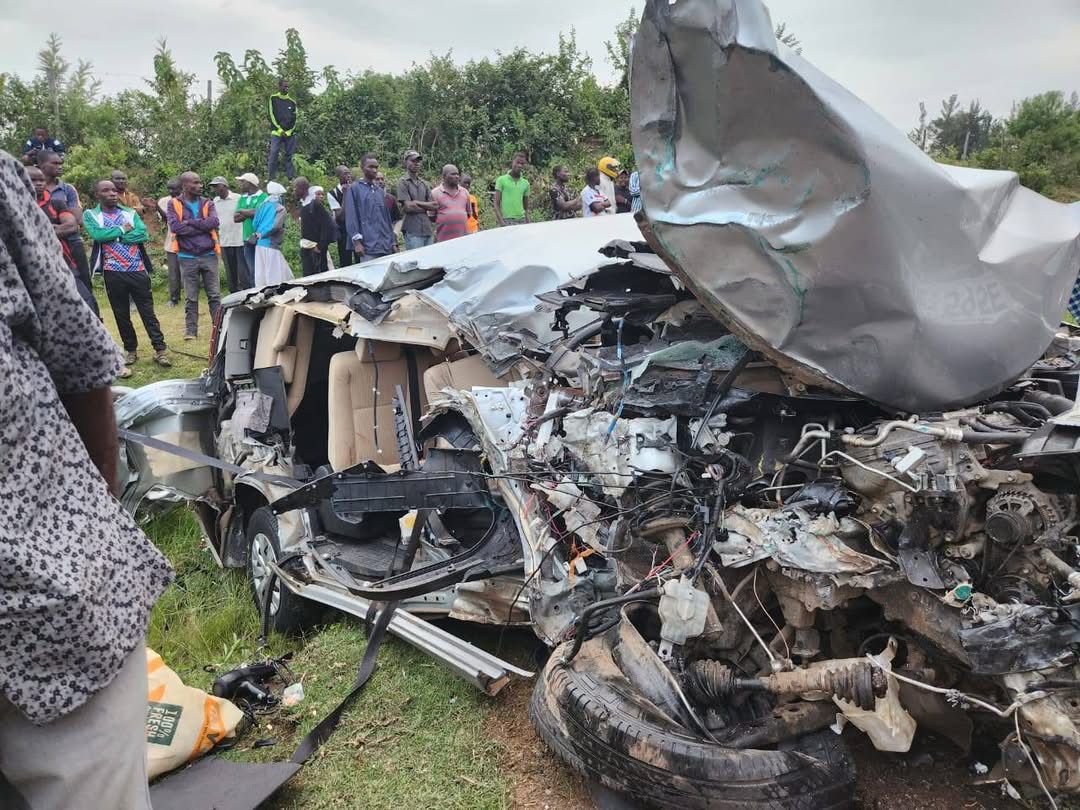
Reports indicated that approximately 30 passengers, including 15 university students, suffered varying degrees of injuries.
Some were transferred to Jaramogi Oginga Odinga Teaching and Referral Hospital for specialized treatment, while others received care at Kombewa Sub-County Hospital, where Deya’s body was also taken.
But who was the late cleric?
From Humble Beginnings to Self-Proclaimed Archbishop
Born on February 2, 1937, in Juja, Kiambu County, Gilbert Juma Deya was the eleventh of fifteen children. His early life was marked by extreme poverty, with his father working as a sisal plantation labourer.
At 21, he married Mary Anyango, and together they had a staggering fifteen children.
Deya began his ministry in Kenya, founding the Salvation of Jesus Christ Church in 1976. His charismatic preaching style quickly gained him followers, leading him to assume the title “Archbishop” and establish the United Evangelical Church of Kenya.
By the mid-1990s, Deya had relocated to the UK, where he founded Gilbert Deya Ministries in 1997. This ministry rapidly expanded with branches in major British cities, including London, Liverpool, and Leeds, and boasted a following of over 30,000 in the UK alone.
His ministry gained significant international notoriety for its claims of supernatural powers, particularly the ability to help infertile women conceive through prayer, giving rise to the infamous “miracle babies” phenomenon.
The "Miracle Babies" Controversy and Legal Battles
Deya's international fame was overshadowed by shocking allegations surrounding these "miracle babies."
Infertile women, often from the UK, would supposedly conceive through prayer alone, travel to Kenya, and return with healthy newborns.
However, DNA testing conducted by Kenyan authorities in 2004 definitively revealed that many of these children had no genetic ties to their supposed mothers, exposing the "miracles" as an alleged elaborate deception.
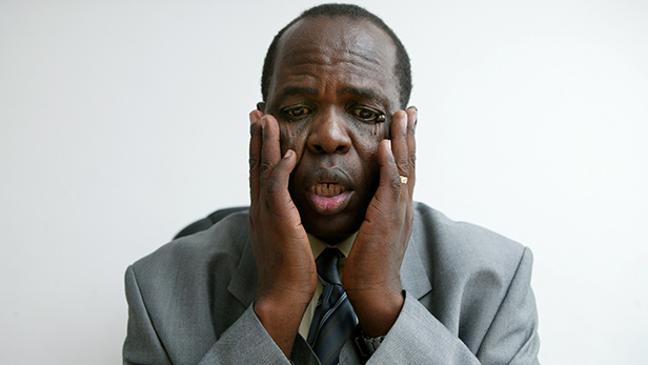
In 2004, Kenyan authorities discovered babies at the Deya residence in Nairobi, prompting accusations of child trafficking.
His wife, Mary Deya, was subsequently arrested and, in January 2011, convicted of child abduction (specifically, stealing a baby from Kenyatta National Hospital in 2005).
Deya himself faced an arrest warrant in Kenya and was arrested in London in December 2006 under a UK extradition request.
After a decade-long legal battle and exhausting all appeals, he was finally extradited to Kenya on August 3, 2017, to face five counts of child stealing and trafficking charges.
Throughout this ordeal, media scrutiny intensified. Ofcom, the UK broadcasting regulator, revoked the broadcasting licence of Praise TV, which aired Deya's broadcasts, citing concerns over false medical claims and misleading content directly related to the "miracle babies."
In June 2023, after years of court proceedings, Deya was acquitted of the child trafficking charges due to insufficient evidence.
Magistrate Robison Ondieki ruled that the prosecution had "failed to establish circumstantial evidence." Following
Public Perception and Lasting Legacy
Bishop Deya’s ministry garnered both fervent devotion and fierce criticism. His followers praised his charisma and claimed to have witnessed miracles, while critics accused him of running a manipulative regime that preyed on vulnerable individuals.
Investigations and court findings largely painted the "miracle babies" saga as part of an alleged international child trafficking ring.
Despite his legal troubles and widespread skepticism, Deya continued his religious outreach through satellite television and radio broadcasts.
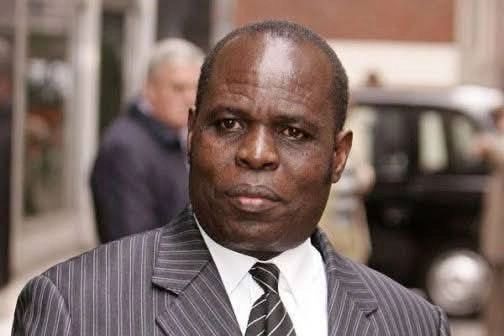
His sudden death brings a close to a tumultuous chapter in modern religious history. From a humble stonemason who became a globally recognized yet controversial preacher, Deya's life was a complex tapestry of ambition, faith, scandal, and prolonged legal drama.