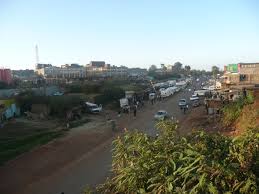
Residents in Nairobi’s greener areas, including Waithaka, Dagoretti and affluent neighborhoods like Karen, are enjoying significantly healthier air quality than much of the city, new monitoring data from City Hall reveals.
According to the Nairobi City County Government’s real-time air monitoring system, accessible via its official website, people living in zones with dense tree cover consistently breathe cleaner air—and are therefore at lower risk of developing respiratory illnesses.
Air quality is primarily measured using the Air Quality Index (AQI), which translates pollutant concentrations into a standardised scale based on six key pollutants: ground-level ozone, particulate matter (PM2.5 and PM10), carbon monoxide, sulfur dioxide and nitrogen dioxide.
The AQI in Nairobi is calculated using both continuous and non-continuous monitoring methods.
In Nairobi, PM2.5 levels ranging from 0 to 12 µg/m³ fall within the green category, considered healthy.
According to the City Hall system, areas such as Kikuyu, Karen, Lavington and parts of Westlands extending up to Gigiri are routinely marked green on the live air quality map.
However, most other city zones fall into the yellow range, which indicates moderate pollution levels between 12.1 and 35.4 µg/m³. These areas typically suffer from elevated emissions linked to heavy traffic or industrial activity.
Further analysis from the United Nations Environment Programme and local monitoring initiatives highlights similar trends. Neighborhoods like Gigiri, Karen, Lang’ata, and Upper Hill consistently show better air quality than congested and heavily polluted areas such as the Central Business District, Eastlands and Industrial Area.
Gigiri, which borders the lush Karura Forest, regularly ranks among Nairobi’s least polluted areas. The forest serves as a major carbon sink and natural air filter, helping absorb airborne pollutants and mitigate heat.
Earlier this year, Governor Johnson Sakaja announced that his administration is updating Nairobi’s greenhouse gas inventory to identify pollution sources responsible for worsening respiratory illnesses.
“We estimate that pollution takes at least 2,500 lives a year,” Sakaja said, adding, “It is also a main cause of respiratory infections and all sorts of other problems that deny our people the flourishing lives they deserve.”
He emphasised that poor air quality is not only a public health concern but also a fiscal one, warning that air pollution is straining the county’s health budget. He added that investing in clean air initiatives could save the city up to $192 million (Sh24.8 billion) over the next 15 years.
“Nairobi is updating its greenhouse gas inventory through its fully fledged climate change unit. Once complete, we will have a far better understanding of the city’s emission sources and progress being made towards meeting our reduction targets, all while supplying the evidence we need for renewing our climate action plan,” he said.
Meanwhile, residents in Mathare and Dandora continue to suffer from chronic air pollution caused by open waste burning, unregulated industries and aging diesel-powered vehicles.
Many of these communities lack access to clean fuels and basic waste management—conditions that worsen both indoor and outdoor air quality.
In response, the county government rolled out the Breathe Nairobi Strategy in 2024.
The initiative aims to install more than 200 air quality sensors across Nairobi’s 85 wards by 2026. Backed by UNEP, Safaricom, Clean Air Catalyst and other partners, the strategy includes a public information campaign using digital billboards placed in high-traffic zones like Tom Mboya Street and Mama Lucy Kibaki Hospital, offering real-time pollution data to residents.
“These tools allow us to pinpoint pollution hotspots and evaluate the success of policy interventions in real-time,” said Naomi Mutua, project lead at Clean Air Catalyst Nairobi. “But it also tells us which parts of the city are doing something right.”
Experts caution, however, that technology alone isn’t enough. Addressing Nairobi’s air pollution crisis requires prioritising environmental justice.
“Air quality is ultimately a question of environmental justice,” said Jane Akumu, UNEP’s Air Quality programme officer. “Where you live in Nairobi can determine not only the air you breathe but also your life expectancy.”