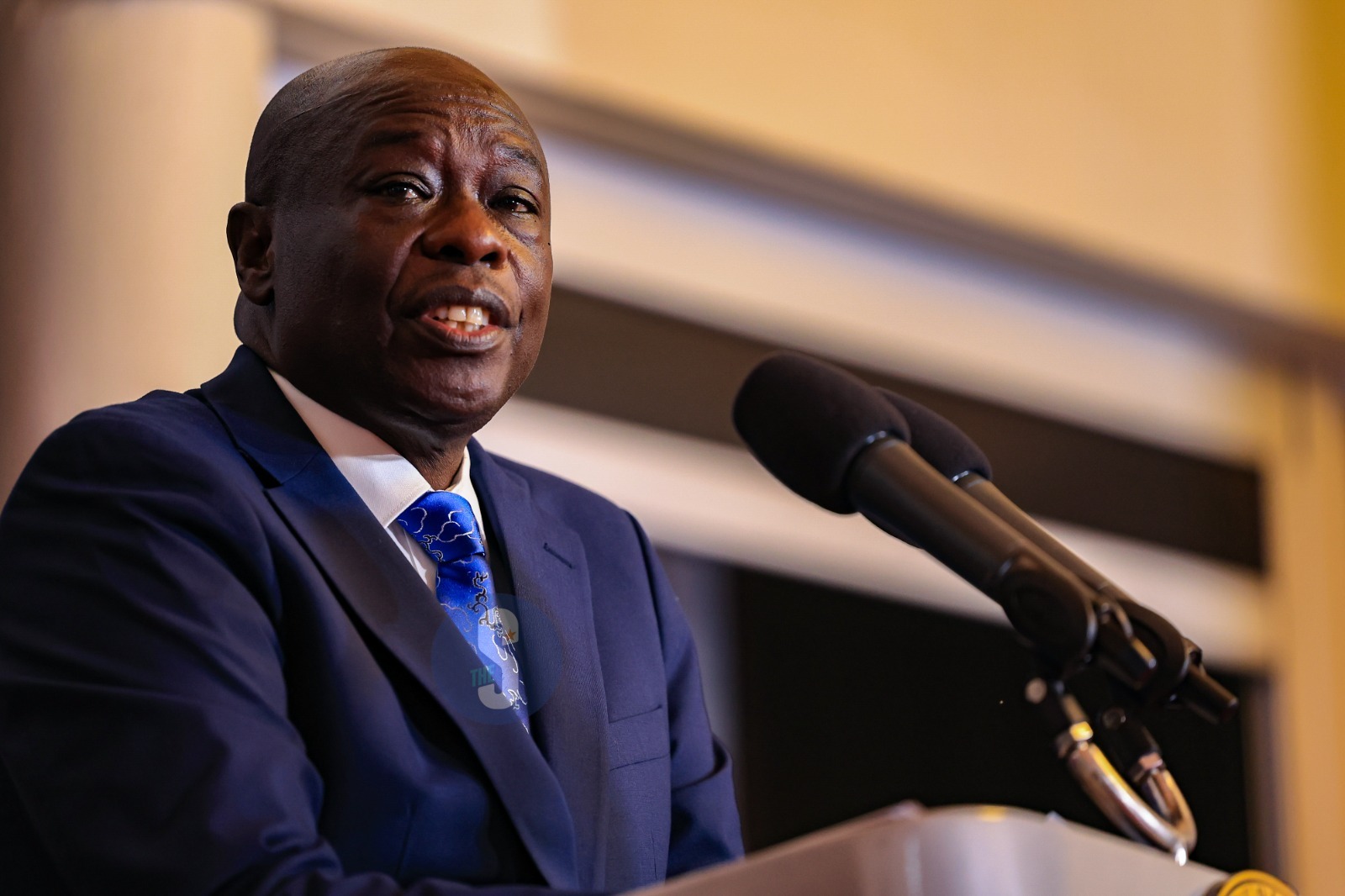
Former Deputy President Rigathi Gachagua is once again in the eye of a political storm following his scathing verbal assault on MPs from his Mt Kenya backyard.
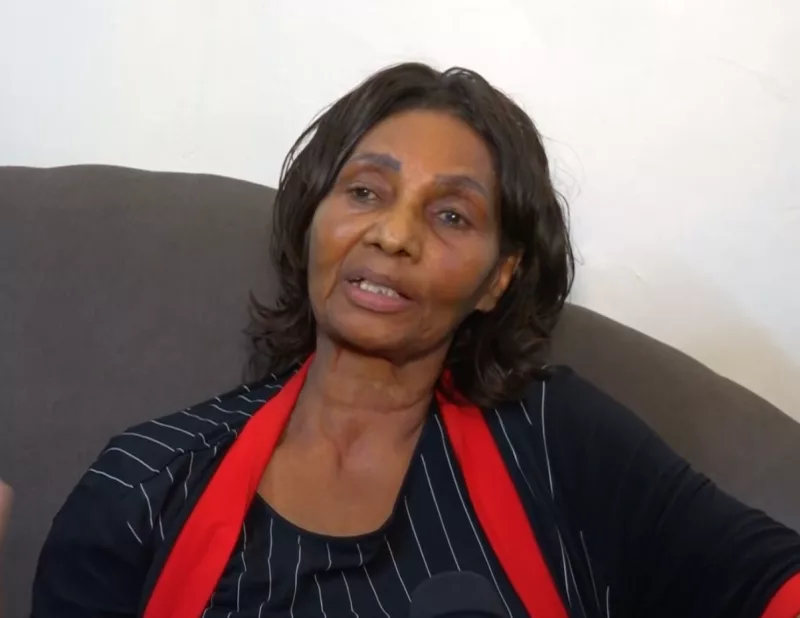
Nominated MP Sabina Chege accused Gachagua of arrogance and selfishness.
She said his abrasive style of politics was alienating even those who might support his agenda. "Gachagua is so abrasive, and that is what makes MPs against him," Chege said. "Why should he insult MPs because they do not agree with him? He is very selfish." Chege’s comments reflect a growing sentiment among some politicians that Gachagua’s confrontational approach is doing more harm than good for his political ambitions. Gachagua’s verbal attacks have not been confined to the Mt Kenya region. Recently, he drew ire when he said if the government attempted to rig the 2027 election, the 2007 post-election violence would be like a “Christmas party".Among the reasons the former DP was impeached was his rhetoric that the Kenya Kwanza administration was an entity with defined shareholding.
Gachagua a week ago hit out at musicians from Mt Kenya who visited Deputy President Kithure Kindiki on a courtesy call.
He also fired salvos at Mavoko MP Patrick Makau during an opposition rally in Athi River, questioning Makau’s commitment to Wiper leader Kalonzo Musyoka and the broader opposition coalition.
Makau, who had supported Gachagua’s impeachment, fired back, suggesting that the former DP’s criticism was motivated by a personal vendetta.
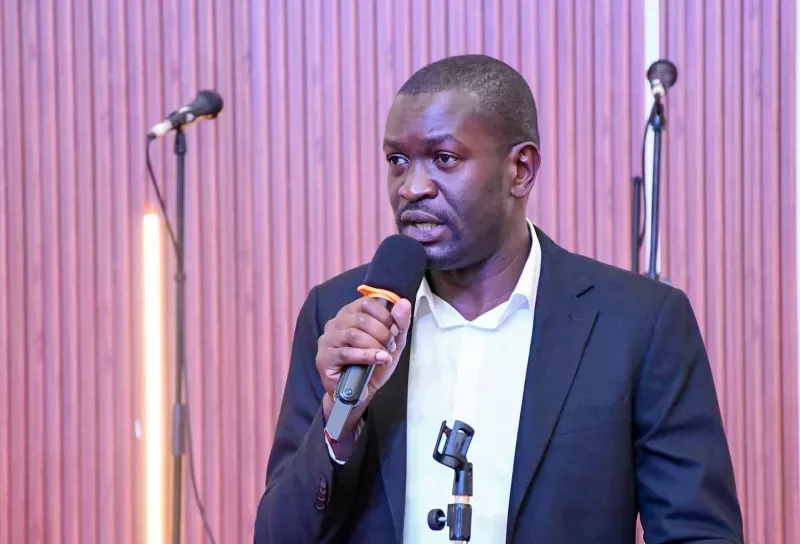
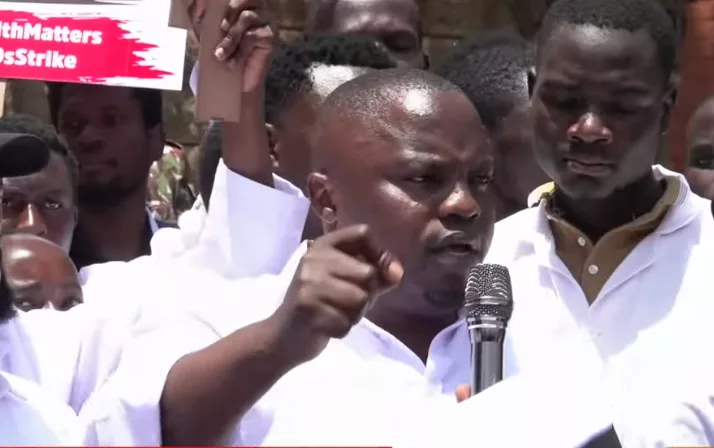
"For Gachagua to visit my constituency and criticise me in that manner was regrettable," he said. "I’m focused on service delivery. But if an impeachment motion against Gachagua were to come back to Parliament, I’d consider supporting it." Makau’s defiance was echoed by Mavoko residents who protested Gachagua’s remarks, demonstrating the growing resistance to his rhetoric. Despite the backlash, some of Gachagua’s allies have defended his approach, arguing that his bluntness resonates with a significant portion of the Mt Kenya electorate. Embakasi North MP James Gakuya dismissed concerns over Gachagua’s remarks, predicting that his influence would only grow in the coming years. "The 2027 Gachagua euphoria will eat many sitting MPs in Mt Kenya—take it to the bank," Gakuya said. His confidence suggests that Gachagua’s strategy, though controversial, may be calculated to position him as the region’s dominant political force ahead of the next general elections. Political analysts have offered mixed interpretations of Gachagua’s latest outbursts. Gakuo Munene, a political commentator, noted that while many voters in Mt Kenya share Gachagua’s frustrations with their current representatives, his abrasive delivery could undermine his credibility. "Gachagua is just saying what people are already thinking, but it will change nothing," Munene said. "Many in Mt Kenya believe the current crop of leaders is the worst the region has ever had—they are too selfish and don’t represent the people’s interests. Gachagua is trying to change that, and on that, I support him. But he still has a long way to go." Munene cautioned that Gachagua’s insults risk alienating potential allies and reinforcing perceptions of him as a divisive figure. Charles Mwangi, another political analyst, warned that Gachagua’s recent behaviour could signal the beginning of his political decline. "Insulting MPs weakens his claim to leadership," Mwangi said. "Mt Kenya voters don’t respond well to abrasive politics without a clear strategy. He risks being seen as bitter and isolated." However, Mwangi also acknowledged that Gachagua’s message might still find traction among voters disillusioned with President Ruto’s administration. "There is a segment of the population that feels neglected, and Gachagua is tapping into that frustration," he said. "But if he doesn’t refine his approach, he could accelerate his own downfall." The broader implications of Gachagua’s remarks extend beyond immediate political feuds. They highlight the deepening divisions within Kenya’s political landscape, particularly in the Mt Kenya region, which has long been a key battleground for national influence. Gachagua has been making deliberate attempts to position himself as the region’s foremost political voice, challenging both Ruto’s allies and the existing leadership structure. Whether this strategy will succeed remains uncertain, but it has undoubtedly intensified political tensions. "He has to be careful about the things he is saying. He is wrong about fighting every political party, musicians, instead of fighting for Mt Kenya people," former Bahati MP Kimani Ngunjiri said.The ex-MP decried the opposition’s lack of agenda, saying the DP should have helped when he was in office for two years.
Critics argue that Gachagua’s confrontational style mirrors the very political tactics he once condemned.
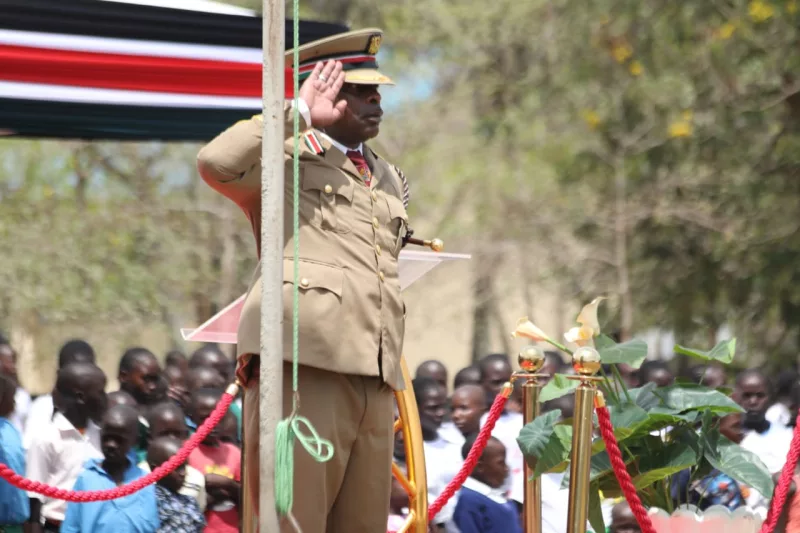
His reference to Kenya as a "shareholding company" during his time in office drew widespread criticism, and his latest remarks have reinforced perceptions of him as a polarising figure. Kagombe referenced this earlier controversy, questioning Gachagua’s fitness for leadership. "Which Deputy President would, in his right mind, call a country a shareholding company?" he said. The remark underscores the scepticism surrounding Gachagua’s political judgment and his ability to unite rather than divide. Meanwhile, the reaction from ordinary citizens has been mixed. While some applaud Gachagua for speaking out against what they see as ineffective leadership, others worry that his language is too inflammatory. A section of Mt Kenya residents interviewed expressed frustration with their MPs but were equally critical of Gachagua’s approach. "We agree that our leaders have failed us, but calling them fools is not the solution," said one resident. "We need someone who can articulate our issues without resorting to insults." As the political fallout continues, Gachagua’s next moves will be closely watched. Will he double down on his aggressive rhetoric or will he adopt a more conciliatory tone to broaden his appeal? His ability to navigate this delicate balance could determine whether he emerges as a unifying figure or further entrenches himself as a divisive one.