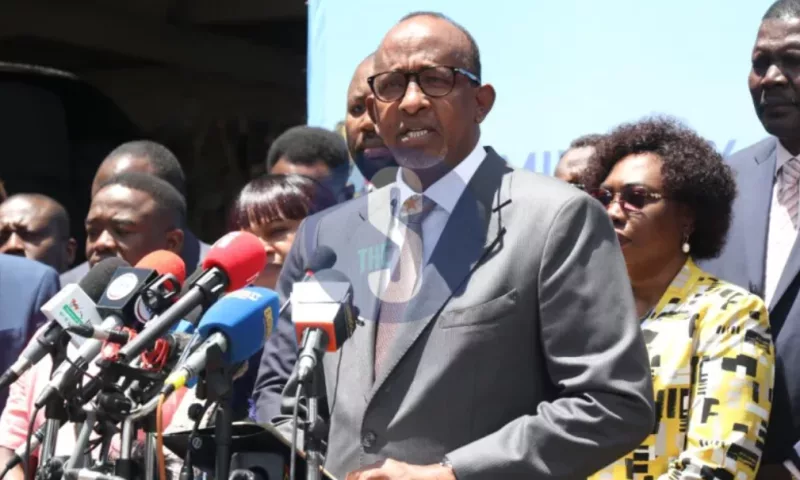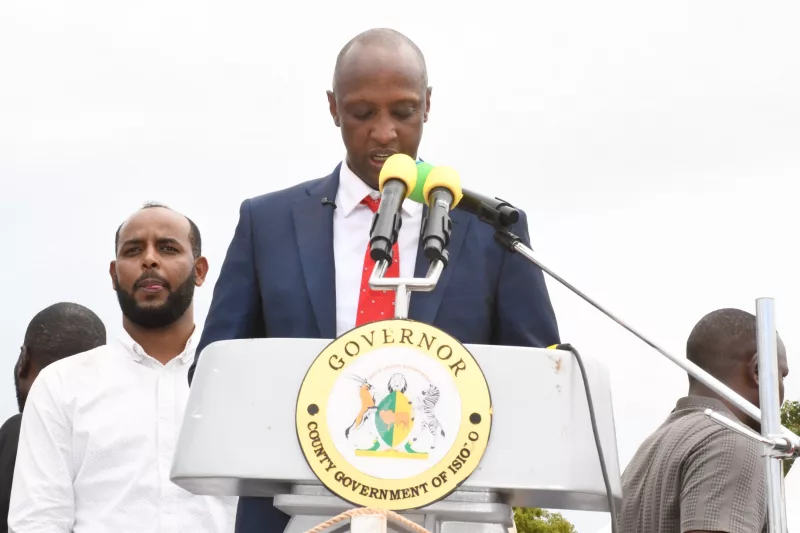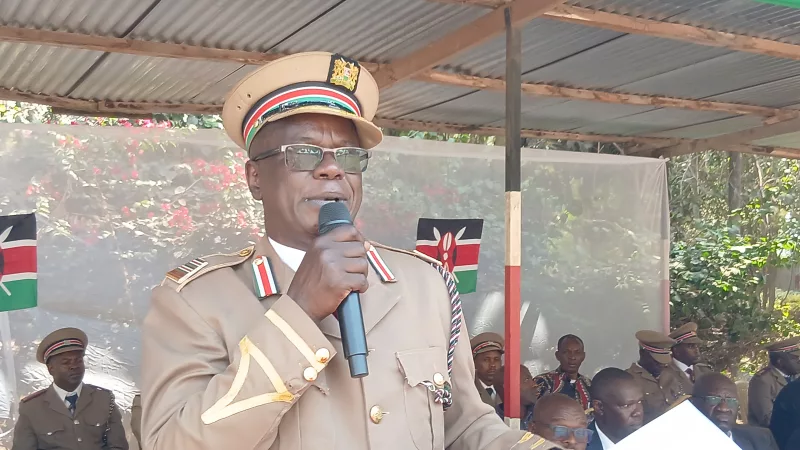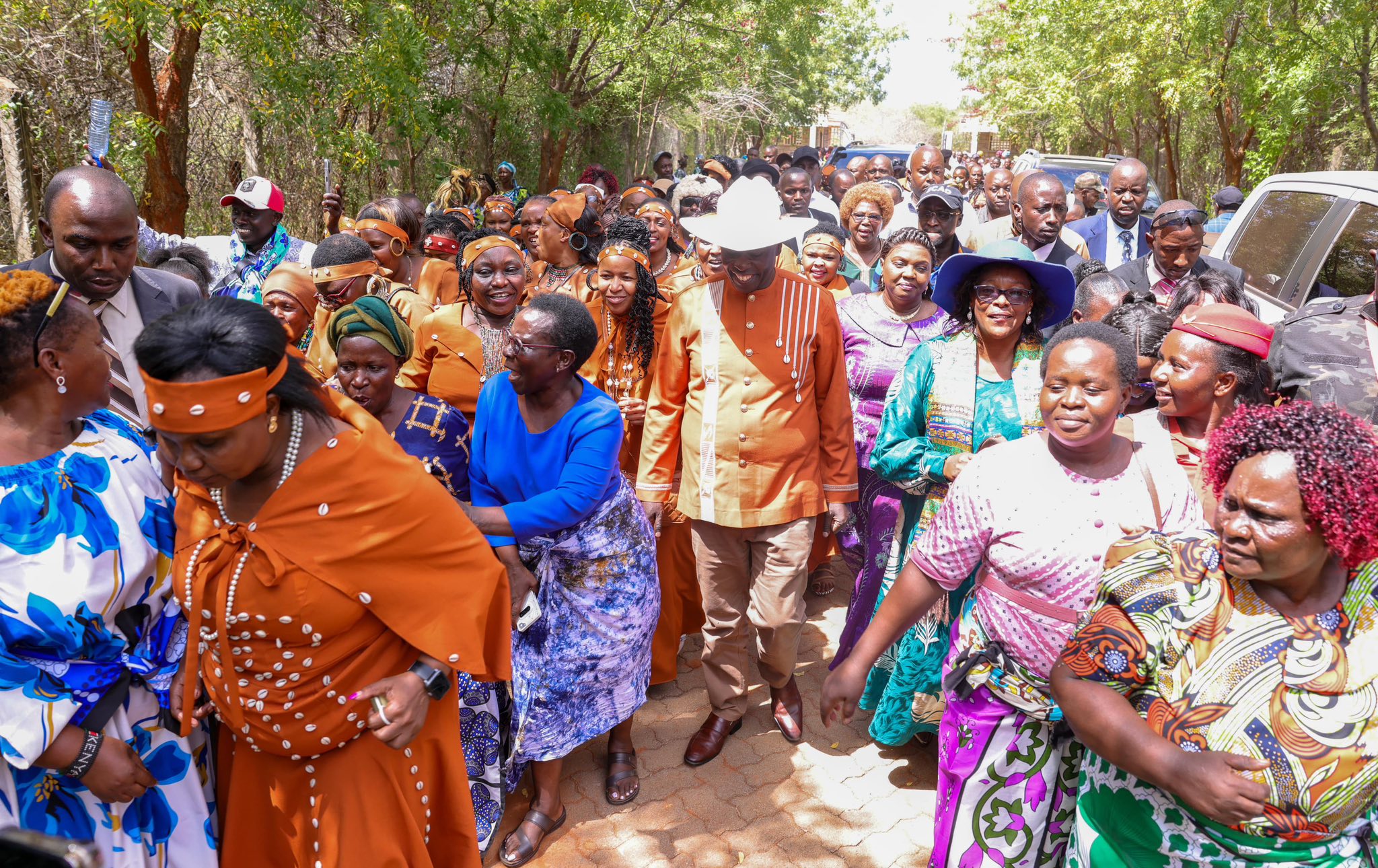
Former Deputy President Rigathi Gachagua is orchestrating a full political takeover of the Mt Kenya region through his newly formed Democracy for Citizens Party.
Gachagua, observers say, is determined to replicate the electoral dominance once held by Jubilee in 2013 and 2017, and later by UDA in the 2022 election.
The former DP’s plan involves assembling a slate of loyal candidates under DCP to contest elective seats in the 2027 general election.
Gachagua and his allies have already launched a political offensive against other regionally rooted parties, as he assembles loyal candidates to contest various elective seats in the 2027 polls.
Among those targeted are former President Uhuru Kenyatta’s Jubilee Party and the Service Party (TSP), led by Laikipia East MP Mwangi Kiunjuri.
Others are the Democratic Party of Kenya, Party of Democratic Unity, People’s Liberation Party, Tujibebe Wakenya, Chama Cha Kazi, Usawa Kwa Wote and PNU.
The former DP has camped in Mt Kenya, rallying the region against what he calls "traitors" and urging voters to reject them at the ballot.
Jubilee, in particular, poses a significant threat to DCP’s growing influence. The former ruling party remains attractive to some aspirants over the nascent, three-week-old DCP.
Already, former Nyeri Town MP Ngunjiri Wambugu, a former ally of Gachagua, has returned to Jubilee, accusing Gachagua of attempting to unilaterally control Mt Kenya politics.
TSP, though less aggressive, maintains ties with the UDA through the Kenya Kwanza coalition, with its leader, Kiunjuri, still publicly backing President William Ruto’s administration.
Two weeks ago, Kiunjuri openly warned Gachagua against what he termed as attempts to stifle existing political parties in the region, cautioning against a return to political monopolies.
“We have always chosen our leaders based on their ability to serve us, not based on political parties. That is why we have no problem with people forming new parties,” Kiunjuri said.
“Let them form whatever they wish, but for us, our party is performance. It doesn’t matter what name your party has; what matters is your work.”
The ex-DP’s allies have already opened salvos at Jubilee. Gachagua has also aimed to support President Ruto’s UDA, which still commands considerable support in Mt Kenya.
He has intensified his criticism of leaders perceived to be loyal to Ruto, branding them as “traitors” who have betrayed the region.
“Traitors are the biggest problem we have in the region. Ruto would never have made our lives difficult if it were not for the betrayers of this community. We will expel all traitors. I want all of you to help me,” Gachagua said.
Allies close to Gachagua suggest his political vendetta includes anyone sympathetic to the regime that orchestrated his impeachment last year.
Among those targeted are the current UDA MPs from the region who voted in favour of his impeachment or are still sympathetic to the regime.
The Star has established that Gachagua is vetting a fresh lineup of loyalists to unseat the “traitors.” A number of UDA offices have also been mapped out for rebranding.
Many of these candidates are former Jubilee loyalists or new entrants already laying campaign groundwork.
In previous events, the Mathira MP has paraded a lineup of seasoned politicians and rising stars as DCP’s flagbearers in key counties and constituencies, signalling his intent to sweep the region and consolidate his influence.
He is fielding candidates such as Peter Mwathi for the Limuru MP seat, Wambui Nyutu for Maragua, Wahome Thuku for Othaya and Sasha Wamae for Nyandarua women representative.
Others are Jude Njomo for Kiambu Township MP, Jamleck Kamau for Murang’a governor, Wainaina Jungle for Kiambu governor and Irungu Nyakera for Nairobi governor.
In Kirinyaga, he is reportedly endorsing current senator James Murango to succeed Anne Waiguru as the governor.
However, Murango denied reports that the former DP has preferred candidates for the positions, adding that all aspirants will compete on a level playing field.
In an unusual extension of his political offensive, Gachagua recently launched a verbal attack on Mt Kenya artistes who had visited his successor, Kithure Kindiki, at his official residence in Karen.
Gachagua accused the artistes of aligning with a government that he claims has marginalised the region. He urged residents to boycott their music and unfollow their social media accounts unless they apologise to the community.
“The elders agreed that we should stop listening to their songs. And the entertainment joints that used to invite them should stop. If they don’t, customers should leave that joint.
“They went and were given Sh50,000. The people they go to entertain are tired of the administration, yet they go and sit down with people who are still frustrating us,” he said.
Some political observers see Gachagua’s manoeuvres as strategic and symbolic. They argue he’s not just building a party, but crafting a movement.
Others, however, warn that his combative style and regional grievances could undermine his broader appeal.
Isaiah Gichu, secretary general of the Party of Democratic Unity, noted:
“Gachagua’s influence is loud but hollow. He’s banking on anti-Ruto rhetoric, but that alone can’t rally the region. The mountain is fragmented, and his hardline tone may alienate moderates.”
Thuo Mathenge, leader of The New Democrats, echoed those sentiments:
“Gachagua claims betrayal, but what did he do for Mt Kenya when he was Deputy President? He was part of that government. DCP is just a noise-making machine with no grassroots network.”
Mathenge also warned that Mt Kenya cannot afford to be in the opposition, especially at a time when national politics demand unity and policy-driven leadership.
Charles Mwangi, a political analyst and lecturer at Jomo Kenyatta University of Science and Technology, offered a more nuanced view: “Rigathi Gachagua is sending a clear message—he’s not just aiming to be a regional kingpin, but a national player. Launching DCP and fielding strong candidates positions him at the heart of Mt Kenya’s political resurgence.”
However, Mwangi cautioned that Gachagua’s regional focus might backfire if it doesn’t evolve into a national vision: “If Gachagua’s DCP and other regional outfits split the anti-Ruto vote, it could ironically help UDA retain power. His biggest challenge is to build coalitions beyond Mt Kenya and offer a unifying agenda.”