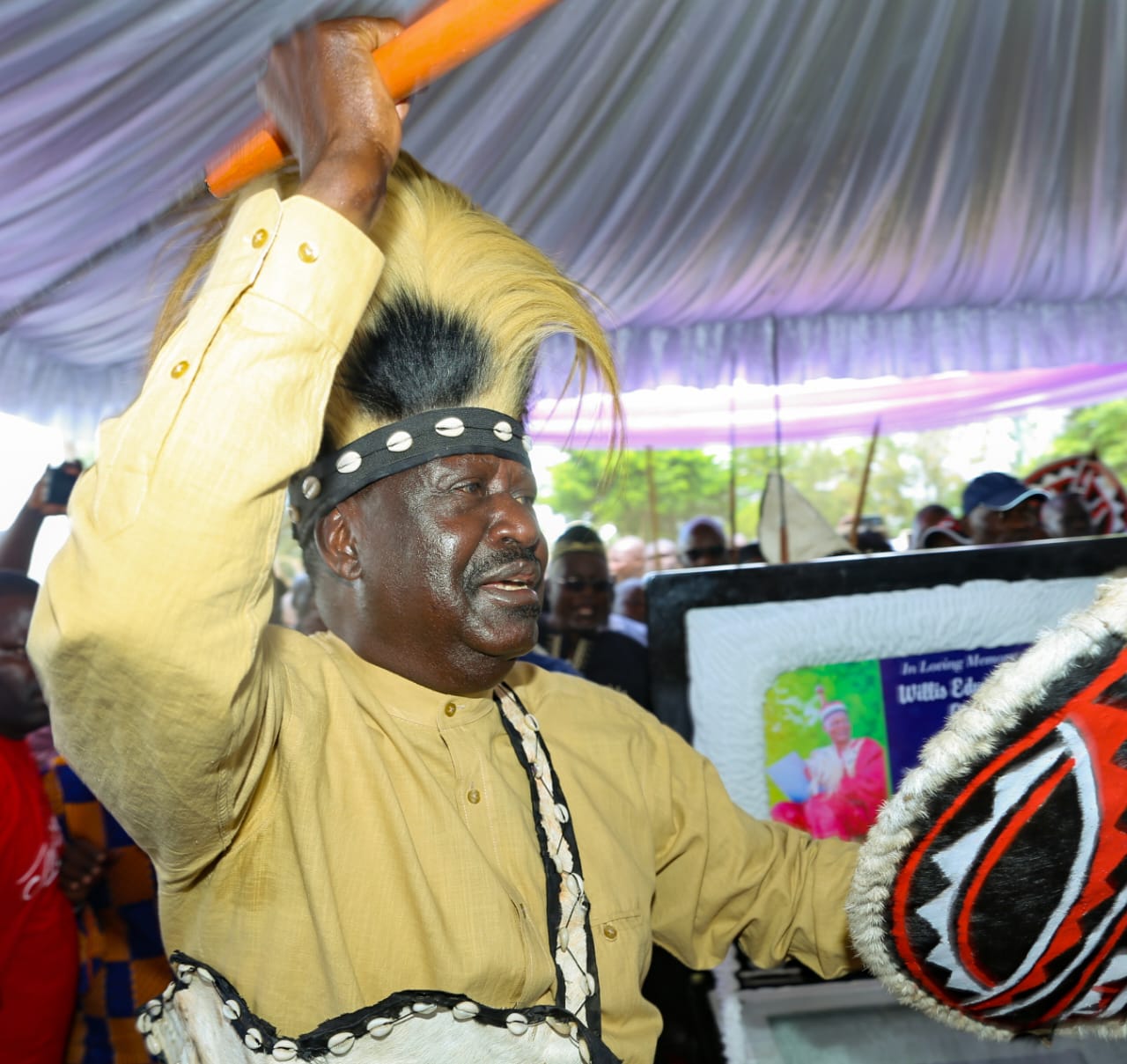
 ODM leader Raila odinga at a funeral./FILE
Several leaders have backed ODM leader Raila Odinga's call for an end to extravagant burials that burden grieving families.
Raila's call has triggered a national debate, with many leaders now rallying behind his message, terming it timely and a bold move to protect families from double loss.
Speaking last weekend at a funeral in Rarieda, Siaya county, Raila criticised the trend of costly send-offs he insisted must be stopped.
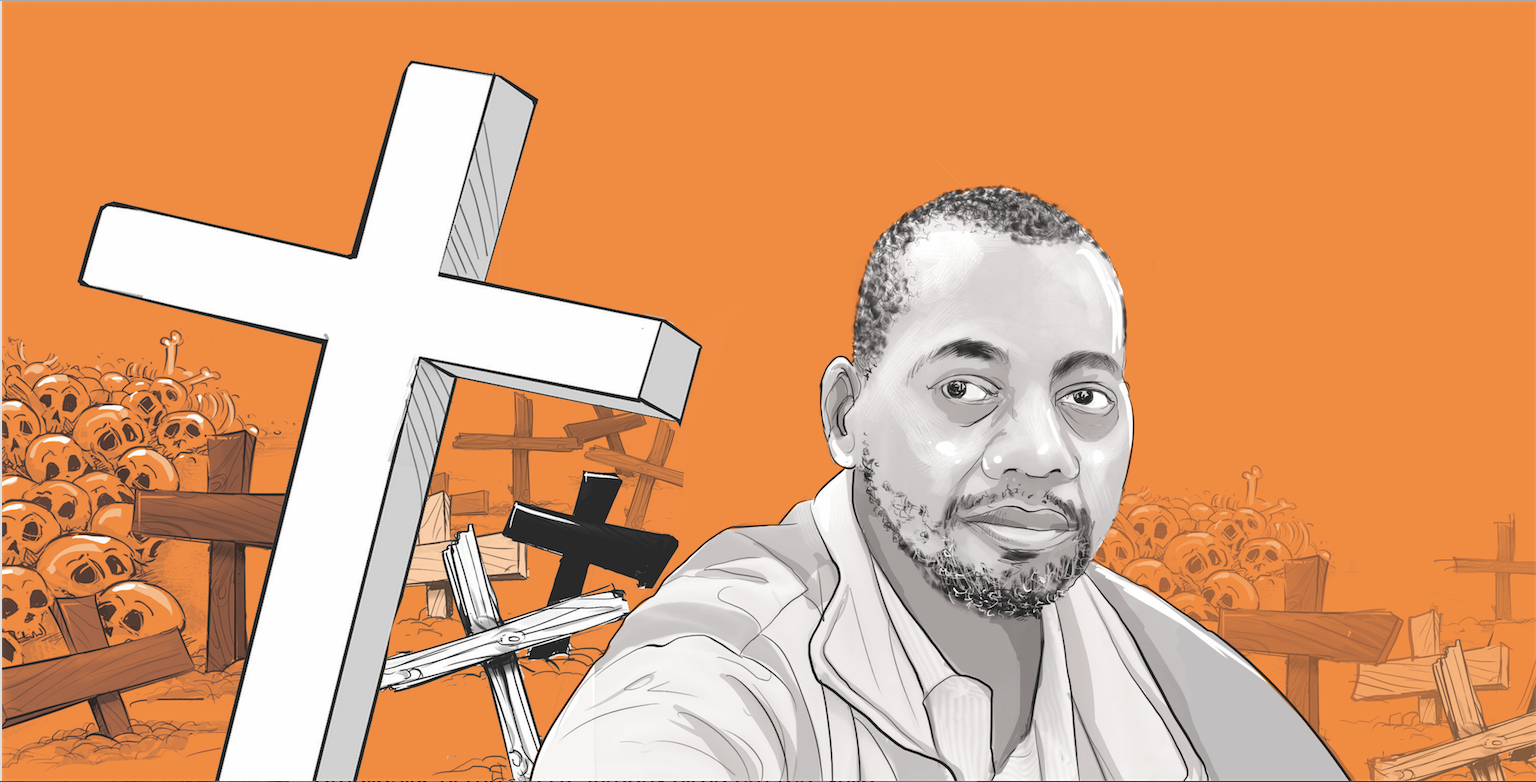
The former Prime Minister cautioned that lavish funerals risk plunging families into poverty in the name of giving loved ones a decent send-off.
“Funerals have become an industry, and they are impoverishing our people,” Raila said. “Every day, every week, people are involved in endless planning of expensive funerals. Our Muslim brothers send off their loved ones hours after death.
“In our case, it takes even a month before one is buried. We must change this.”
In most Kenyan communities, especially in the Western part of the country, funerals are always big events complete with expensive coffins, vehicle processions, and lavish meals—a practice Raila says has turned mourning into a financial spectacle rather than a solemn moment of reflection.
“When someone dies, they should be buried peacefully and respectfully,” the veteran opposition leader said.
Since the remarks that were reported by the Star, support has been building across with political leaders, religious figures, and community elders rallying behind his call.
Luo Council of Elders chairman (Ker) Odungi Randa on Friday told the Star he was planning a big cultural conference where the issue of lavish burials will be on the agenda.
Randa said splurging big monies during funerals is a serious concern, saying traditionally the community never fed mourners during burials.
“We will convene a big meeting for that. I know some people will oppose, but this is a conversation we must have as a community because it is making our people poorer by the day,” Randa said on the phone.
According to the custodian of Luo traditions, originally the community used to bury loved ones within three to four days, and such occasions were without food.
“During funerals, there was no food at all. What is happening today, I think, we are blindly adopting some cultures that are going to impoverish our people,” Randa said.
Suba South MP Caroli Omondi praised Raila for opening a conversation many fear to have.
He told the Star the huge spending on funerals risks eclipsing serious development initiatives like helping students from humble backgrounds stay in school, as the focus is on raising funds for burials.
“I agree with Raila. The funeral madness must come to an end. Why the current madness when we are supposed to have had some education and Christianity?”
The first-term lawmaker also argued that funerals have transitioned into political platforms rather than the solemn moments they are supposed to be.
“Other than being finance and time-wasting events, funerals are now more of political events than solemn religious events,” he told the Star.
“We should start charging for the chairs, food, water and toilet use at funerals. Why not collect huge amounts of money at the birth of a child and invest for his future, instead of waiting to do so at death?"
National Clergy and Church Association chairman Bishop Hudson Ndeda, while admitting the economic impact of expensive burials to most families, noted that Kenyans have the right to accord their loved ones the final send-off in a manner they deem fit.
“There are families that are struggling. What I can say is that they should do burials on what is available,” Ndeda told the Star on the phone.
INSTANT ANALYSIS
Burial among some Kenyan communities, especially the Luhya and Luo of Western Kenya, is a big event with a huge budget, money that is mobilised from friends and relatives. Many have blamed such huge budgets for the growing poverty in the region.