The Kenyan fashion scene is transforming, and it’s not about picking sides. A fresh report from the Mitumba Consortium Association of Kenya (MCAK) paints a compelling picture of a future where second-hand fashion and local manufacturing thrive side by side.
Unveiled on 15th May 2025 at Serena Hotel in Nairobi, the report titled “A Future Look at the Apparel and Footwear Industry in Kenya (2022–2037)” charts a powerful 15-year roadmap.
“This report proves that mitumba is not a threat — it’s part of the solution. We can create an inclusive, job-rich, and sustainable apparel sector by supporting both SHC and local manufacturing,” MCAK Chairperson Teresia Wairimu Njenga emphasized during the report launch.
For years, the debate around Mitumba—Kenya’s popular second-hand clothing trade—has sparked passionate opinions.
But the MCAK report makes one thing clear: it’s not a zero-sum game. In fact, Mitumba and locally-made apparel serve different needs in the market and can actually grow together.
The numbers tell the story. Back in 2019, Kenyan households spent a whopping Ksh 197.5 billion on clothing and footwear, both new and used. That’s more than just a shopping habit—it’s a lifestyle. With over 20 million Kenyans depending on Mitumba for affordable, high-quality fashion, it’s clear the second-hand market is woven into the fabric of everyday life.
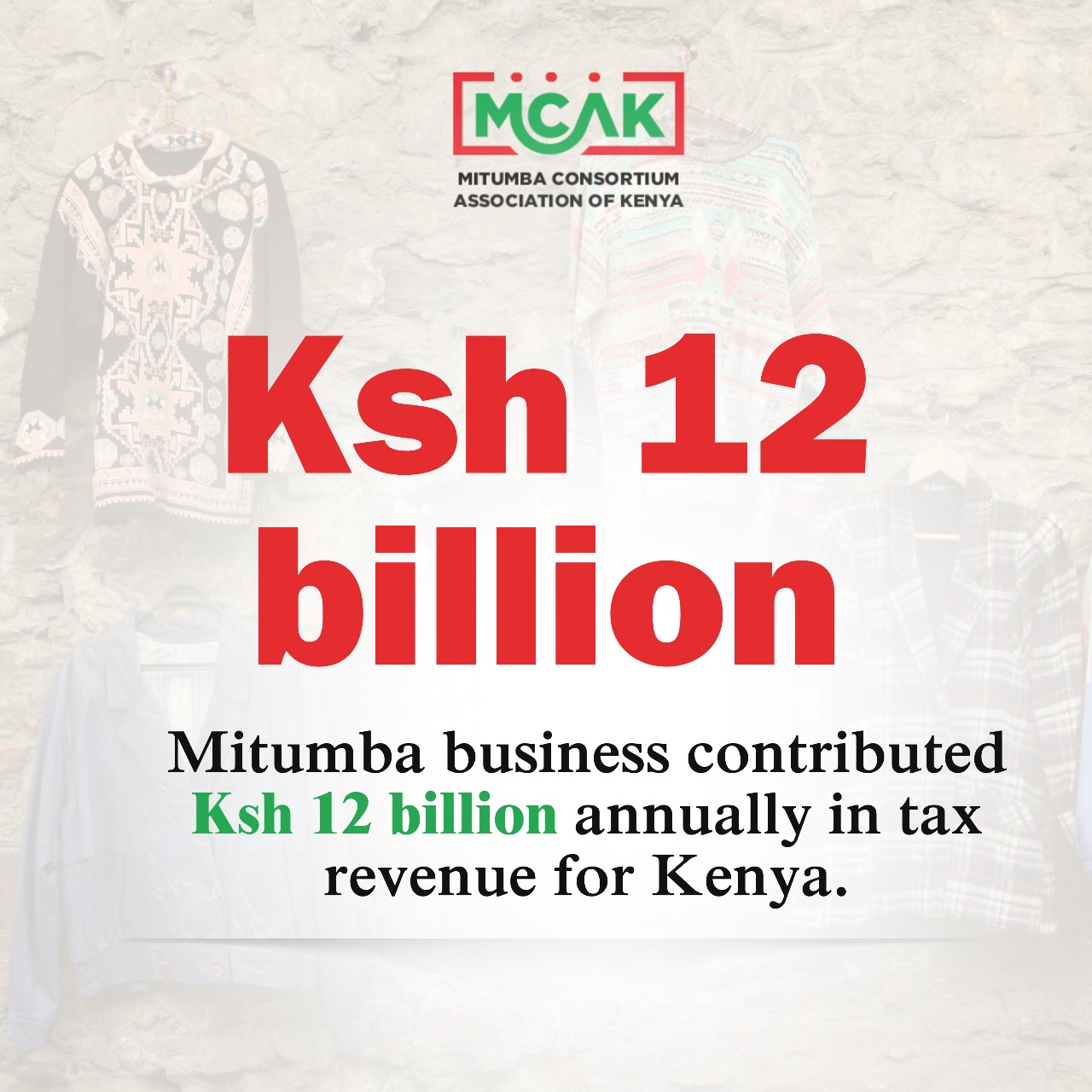
But it’s not just about affordability. The Mitumba sector supports over 2 million livelihoods, most of them women and young people, and contributes Ksh 12 billion annually in taxes. Beyond the economy, it also aligns with global sustainability goals. Giving clothes a second life means less textile waste and a reduced environmental footprint—something even the most fashion-forward can appreciate.
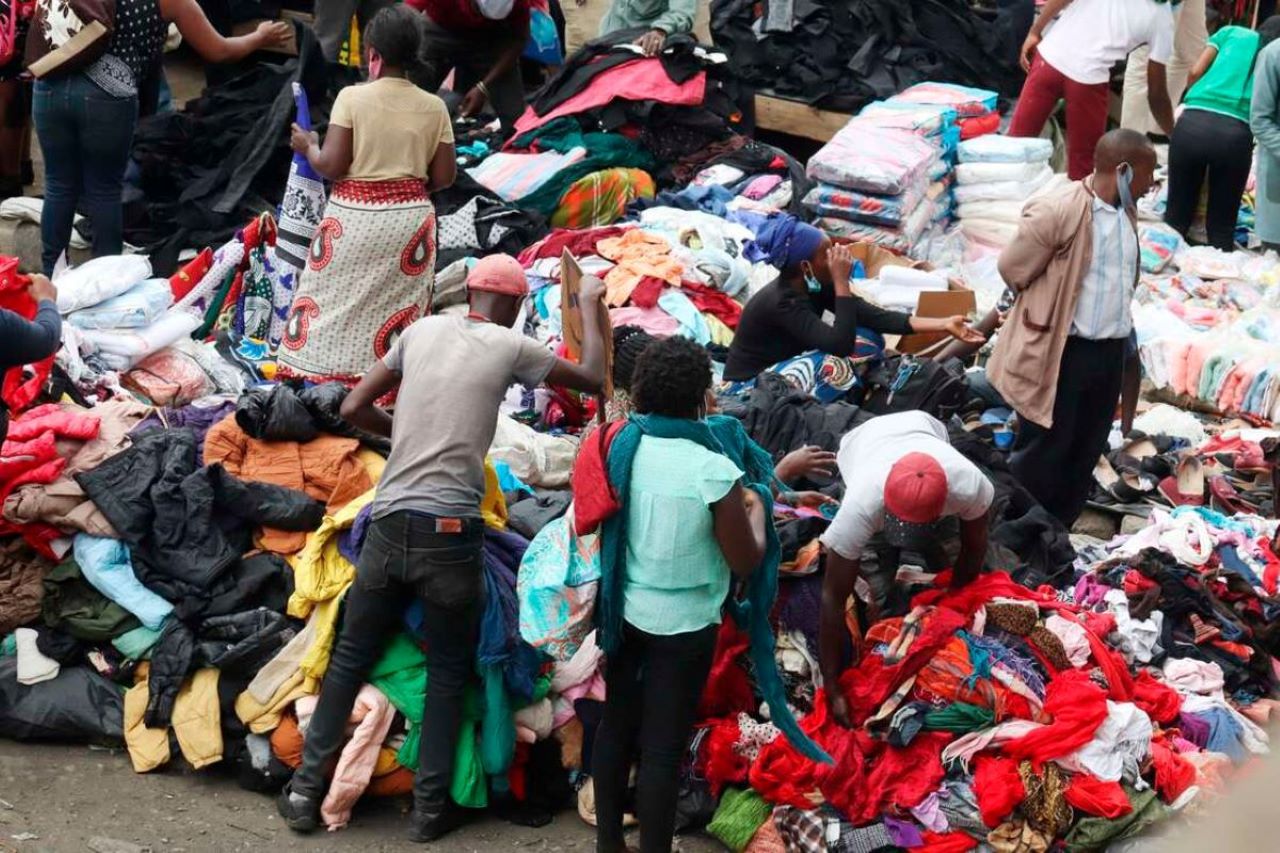
Looking ahead, the Mitumba market is projected to skyrocket to 587,526 tonnes by 2037, thanks to rising population and income levels.
This growth is not at odds with local manufacturing. Instead, the report argues, they can grow together to fuel inclusive economic development.
It’s a bold vision that aligns with Kenya’s Vision 2030 and the African Union’s Agenda 2063—a future where fashion is accessible, sustainable, and economically empowering.
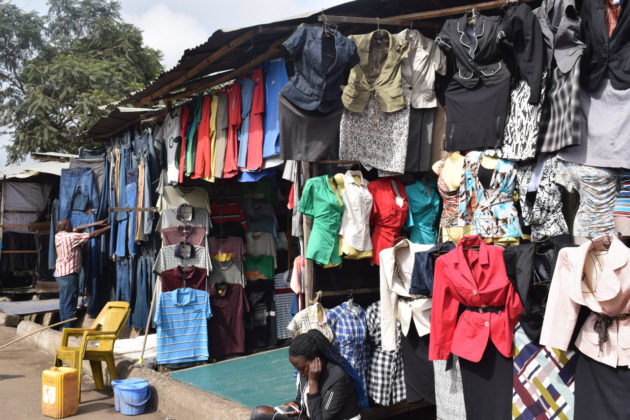
MCAK is urging Policymakers to embrace coexistence through smart regulation, as well as Investors to support inclusive, resilient apparel ventures.
So whether you're rocking a designer piece from a local label or styling a thrifted gem from Gikomba, you’re part of a movement that celebrates choice, creativity, and community.
The next era of Kenyan fashion isn’t about choosing between old and new—it’s about embracing both.