Millions of learners in primary and junior secondary schools are facing a looming crisis after the State Department for Basic Education suffered a budget cut of Sh62.01 billion.
The reduction threatens to derail key programmes and services critical to the education sector.
The reductions, which were effected by the National Treasury, have triggered alarm among education stakeholders.
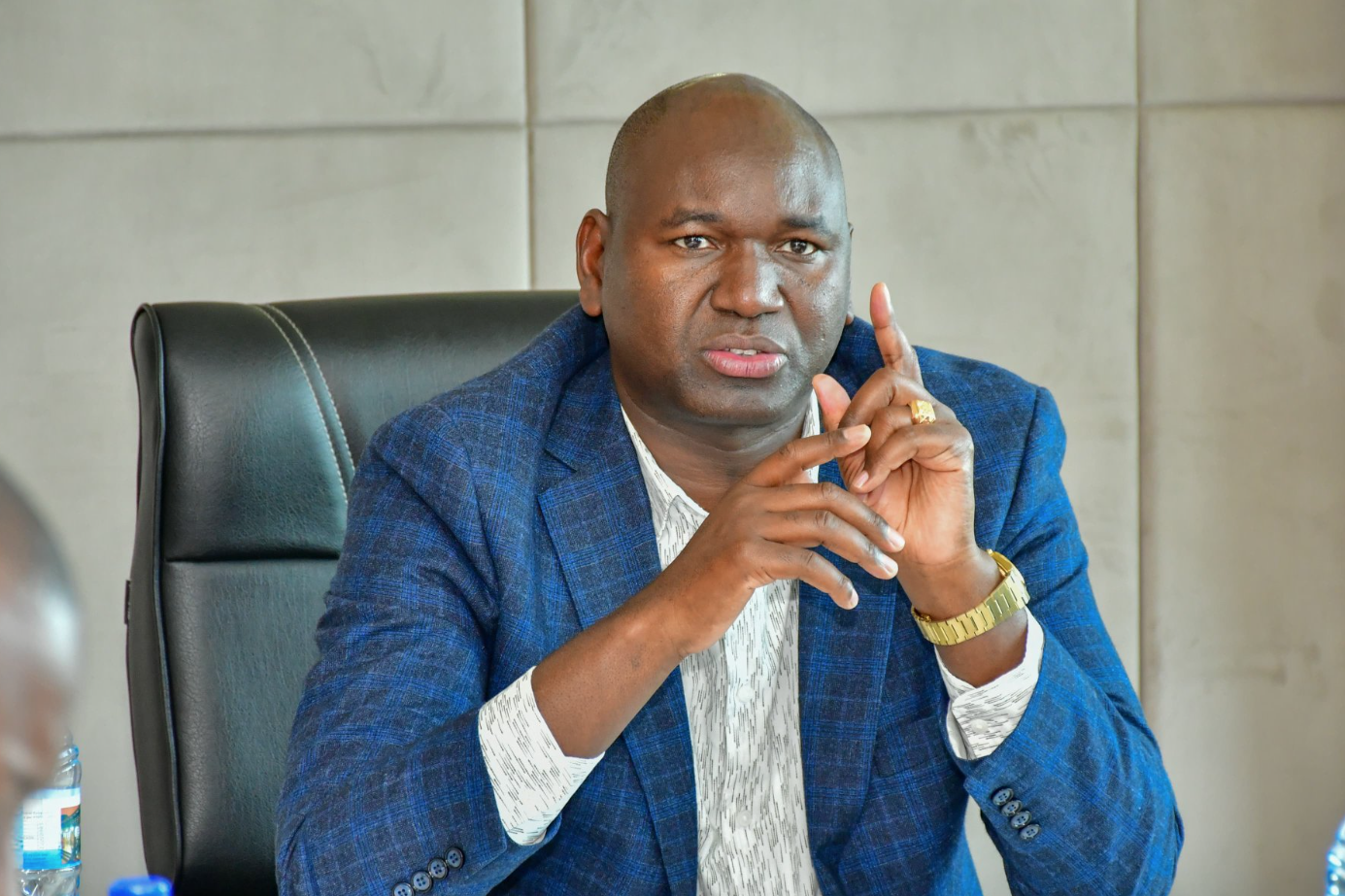
Basic Education Principal Secretary Julius Bitok disclosed the figures while appearing before the National Assembly’s Education Committee, chaired by Tinderet MP Julius Melly.
Bitok revealed that the cuts affect core areas, including the school feeding programme, examination administration, school invigilation, and the construction of classrooms and laboratories for Junior Secondary Schools.
“The areas we have identified as key underfunded areas are critical to the achievement of our mandate,” Bitok told MPs.
“We are requesting this committee to restore this money.”
One of the most critical cuts is the Sh1.847 billion shortfall in the Free Primary Education (FPE) programme, whose budget was slashed from Sh9.7 billion to Sh7.9 billion.
This reduction will impact over 656,000 learners. The cut affects FPE capitation (Sh1.2 billion) and the Kenya Primary School Education Assessment (Sh700 million).
The FPE programme is designed to support 6.2 million learners, with each receiving Sh1,420 annually, including enhanced capitation for 117,565 learners with special needs who receive Sh2,300.
Additionally, the government provides Sh11,650 per learner in boarding fees for 39,056 special needs learners.
The Free Day Secondary School Education (FDSSE) programme has suffered a shortfall of Sh21.85 billion, following a reduction from Sh76.73 billion to Sh54.88 billion.
In the Junior School Education segment, which was to fund 3.28 million students and 7,686 special needs learners, the budget was cut by Sh18.8 billion—from Sh49.72 billion to Sh30.92 billion.
Each JSS learner is currently funded at Sh15,042, while learners with special needs receive Sh50,772 annually.
“Under the recurrent budget for the financial year 2025/2026, there are notable deviations between the proposed budget estimates and the ceilings provided in the approved Budget Policy Statement,” Bitok said.
He further explained that the Secondary Education programme experienced a Sh16.13 billion reduction, mainly due to the loss of junior school capitation amounting to Sh14.74 billion.
Additionally, the Quality Assurance and Standards programme faced a Sh5.33 billion cut.
Equally hard-hit is the school feeding programme, which supports 2.6 million vulnerable learners in Arid and Semi-Arid Lands (ASAL) and urban slums.
Its budget has been slashed by Sh4.21 billion—from Sh7.21 billion to Sh3 billion.
The programme was designed to provide meals for 180 school days annually.