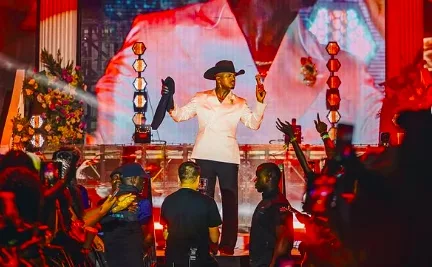
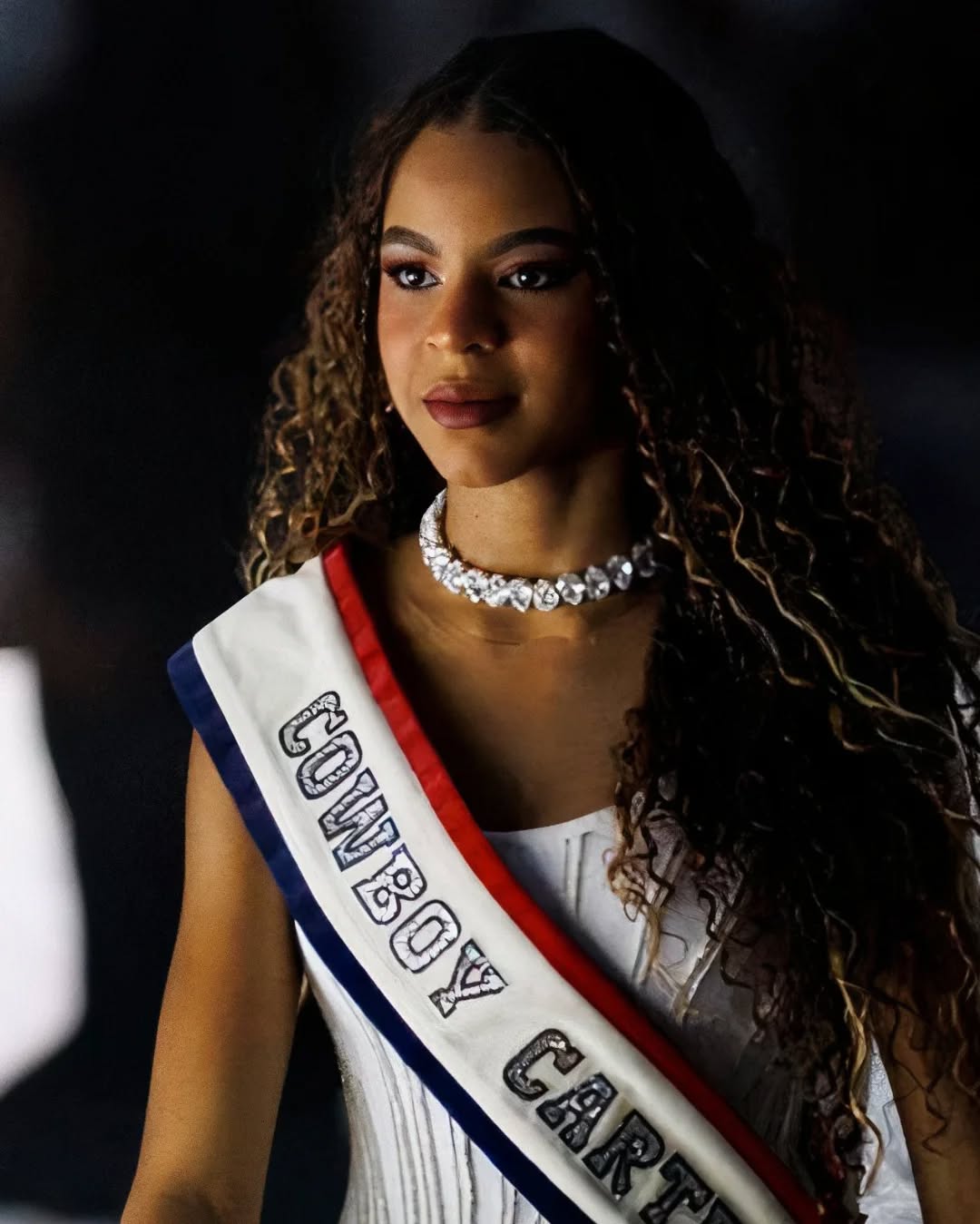
While most 13-year-olds spend their evenings juggling homework and TikTok trends, Blue Ivy Carter was commanding a stadium of 70,000 fans alongside her mother, Beyoncé, during the opening night of the Cowboy Carter tour.
Her show-stopping solo during Déjà Vu earned rave reviews, with Variety calling her "one of the most self-disciplined 13-year-olds in America." Social media erupted, dubbing her the "greatest nepo baby of all time"—a label that sparks both admiration and controversy.
The Nepo Baby Paradox
The term "nepo baby" (short for nepotism baby) refers to children of celebrities who leverage family connections to enter industries like music, film, or fashion.
While critics often dismiss them as undeserving, Blue Ivy’s polished performance complicates the narrative. Yes, she had access to a global platform most teens could only dream of—but did she earn her spotlight? Fans argue her talent transcends privilege.
This isn’t her first rodeo:
At 11, she danced alongside Beyoncé on the Renaissance tour.
She voiced Kiara in Mufasa: The Lion King (2024).
Her stage presence rivals seasoned performers, blending precision with charisma.
Yet, music journalist Caroline Sullivan notes, "Her trajectory has very little to do with her and everything to do with Beyoncé. If she weren’t good, she’d still get an easier ride."
Family Affair or Forced Fame?
Beyoncé’s mother, Tina Knowles, insists Blue Ivy isn’t pressured into showbiz. "She works for her roles," Tina told the BBC, citing her Lion King audition. Still, the perks are undeniable: top-tier training, industry mentors, and instant name recognition.
Blue Ivy isn’t alone in this dynamic:
Madonna’s daughter, Mercy James, played piano on her 2023 tour.
Dave Grohl’s daughter, Violet, often sings with Foo Fighters.
Phil Collins’ son, Nic, drummed on his 2019 tour ("He’s good enough," Phil defended).
Sullivan adds that such appearances can feel "naff" if gratuitous—but when done right, they’re "incredibly sweet." Case in point: Beyoncé’s youngest, Rumi, joining her for Protector brought the house down.
The Nepo Baby Backlash
The debate ignited in 2022 when New York Magazine plastered actors like Dakota Johnson and Zoë Kravitz on its "Nepo Baby" cover, declaring: "She has her mother’s eyes. And agent." Critics called it a takedown; stars pushed back.
Gwyneth Paltrow (daughter of Blythe Danner) dismissed the term as "ugly," while Maya Hawke (Stranger Things) admitted privilege "gives you advantages, but chances aren’t infinite." Kate Hudson summed it up: "Kids follow parents’ footsteps—that won’t change."
Talent Under a Microscope
For every Blue Ivy, there’s a North West—Kanye and Kim Kardashian’s 11-year-old, who rapped in Japanese on an FKA Twigs track but faced criticism after The Lion King concert. "Given her parents’ controversy, she’ll struggle to shake the nepo label," Sullivan says.
PR exec Pam Lyddon argues connections "get you noticed, but talent keeps you there." In today’s hyper-scrutinized world, mediocrity won’t fly. Blue Ivy’s discipline—rehearsing complex routines while balancing school—suggests she’s more than a trust-fund kid.
The Verdict
The nepo baby discourse isn’t fading. Yet as Blue Ivy proves, privilege and talent aren’t mutually exclusive. With her work ethic and star power, she’s rewriting the rules—one standing ovation at a time.
BBC