When someone has been shot and seriously wounded in a public place, every second counts.
Immediate action from bystanders can significantly increase the victim’s chance of survival, especially before emergency medical personnel arrive.
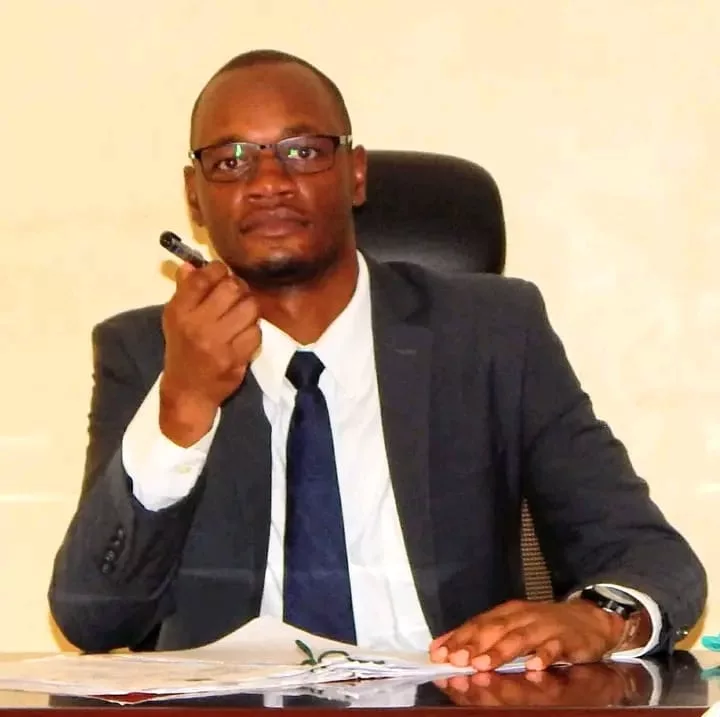
On Wednesday, news that Kasipul Member of Parliament Charles Ong'ondo Were was trailed and fatally shot by a lone gunman near the City Mortuary roundabout shocked the country.
The shooter escaped on a waiting sportsbike that was idling nearby and headed to Nairobi CBD.
Were's bodyguard and driver, who were not hurt during the incident, rushed the bleeding MP to the nearby Nairobi hospital but he was pronounced dead on arrival.
You don’t need to be a doctor to save a life in such a situation —you just need to act quickly and follow the medically supported steps below.
This article outlines evidence-based steps, supported by credible medical sources such as the American College of Surgeons (ACS), the Stop the Bleed initiative, and emergency medicine guidelines.
ENSURE SAFETY FIRST
Before approaching a gunshot victim, ensure the area is safe. You cannot help someone if you become injured yourself.
If the shooter is still active or the scene remains dangerous, stay hidden and call emergency services immediately.
ASSESS THE VICTIM’S RESPONSIVENESS AND BREATHING
Check whether the person is conscious and breathing: If unconscious but breathing, place them in the recovery position (on their side) to keep their airway open and prevent choking.
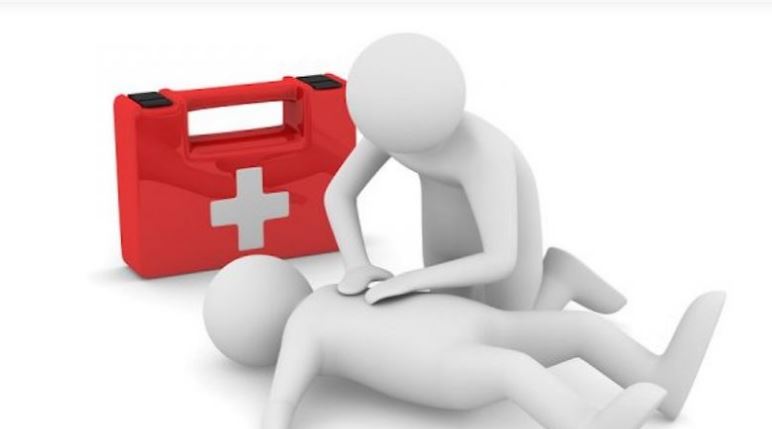
If not breathing, begin CPR if you're trained. Hands-only CPR (chest compressions) can be life-saving.
CONTROL THE BLEEDING
The American College of Surgeons emphasises that bleeding control is as essential a skill as CPR.
Uncontrolled bleeding is the leading cause of preventable death in trauma situations.
According to the Stop the Bleed program—a national awareness campaign initiated by the ACS—you should apply direct pressure on the wound area.
Use a clean cloth, clothing, or your hands to apply firm, direct pressure to the wound.
If bleeding is from a deep wound (such as in the thigh or shoulder) and direct pressure alone is insufficient, you can pack the wound with clean gauze, a cloth, or even a T-shirt.
Push the material into the wound and continue to apply pressure.
If the bleeding is from a limb and does not stop with pressure, and you have access to a tourniquet (a device for stopping the flow of blood through a vein or artery), place it about 2–3 inches above the wound (never on a joint).
Tighten it until the bleeding stops. If a commercial tourniquet is not available, use a strong fabric or belt in an emergency.
Never remove objects that are embedded in the wound. Doing so can cause more bleeding or damage.
CALL FOR EMERGENCY HELP
Dial emergency services right away.
After you stablise the victim, call emergency.
The primary emergency number for ambulance and medical assistance in Kenya is 999.
You can also call 112 for ambulance services.
The Kenya Red Cross Society can be contacted at 1199 or 020-3950000.
Provide clear information: your location, the number of victims, their condition, and whether the threat is ongoing.
Keep the line open if the dispatcher advises it. Continue administering first aid.
PREVENT SHOCK
Shock is a life-threatening condition where the body’s organs don’t get enough blood or oxygen.
Signs include cold and clammy skin, rapid pulse, shallow breathing, and confusion.
To reduce the risk, keep the person warm using jackets or blankets. If there's no injury to the head, neck, spine, or legs, elevate their legs about 12 inches to help blood flow to vital organs.
Reassure the victim and keep them as calm and still as possible.
DO NOT GIVE FOOD OR WATER
Even if the person is thirsty or asks for food or water, do not give them anything to eat or drink.
If surgery will be needed afterwards upon arrival at the hospital, having anything in the stomach increases the risk of complications under anesthesia.
PROVIDE INFORMATION TO EMERGENCY RESPONDERS
When emergency responders arrive, provide them with any relevant information you observed, such as how long the person has been unconscious, whether they were breathing, where the bleeding occurred, and any steps you have taken.
AFTERCARE AND EMOTIONAL SUPPORT
Even if you act quickly and appropriately, seeing someone seriously wounded can be traumatic.
Seek support from mental health professionals or crisis counsellors if you experience stress, anxiety, or emotional difficulty afterward.
Stress can particularly take a toll on you if the victim whose shooting you witnessed was a close relative or friend.