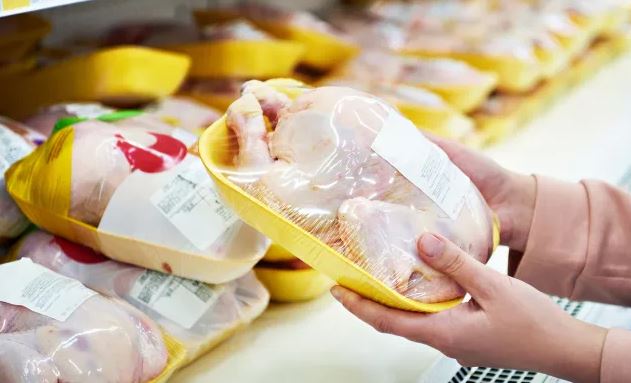
A bacteria often found in chicken may be playing a hidden role in the alarming rise of late-stage colon cancer cases, new research suggests.
While red and processed meats have long been associated with an increased risk of colon cancer, poultry has largely escaped scrutiny — until now.
In an article by the Daily Mail published on April 28, early findings indicate that Campylobacter jejuni, a leading cause of foodborne illness, could accelerate the development of colon cancer by causing damage to DNA.
Campylobacter is notorious for causing common symptoms like diarrhea, nausea, and vomiting — often resolving within days. But in severe cases, particularly among young children, the elderly, and immunocompromised individuals, the infection can be deadly.
Although scientists have not confirmed a direct cause-and-effect link, the research points to Campylobacter jejuni as a possible contributor to the increasing rates of colon cancer, particularly among younger adults.
Adding to the concern, a separate study out of Italy recently suggested that eating chicken regularly could significantly raise the risk of dying from various cancers, including colon and stomach cancers.
Researchers tracked the diets of nearly 5,000 adults over almost 20 years and found that those who consumed more than 300 grams of poultry — roughly four servings a week — had double the risk of dying from digestive cancers compared to those who ate less than one portion weekly.
Colon cancer, traditionally seen as a disease of older adults, is now increasingly striking people in their 20s, 30s, and 40s — a trend that has left doctors searching for answers.
In the U.S. study, scientists followed more than 70 colon cancer patients, analyzing the levels of Campylobacter jejuni in their digestive systems over three years.
They found that patients whose cancer had spread were more likely to have higher levels of the bacteria compared to those whose cancer remained localized.
Writing in the journal Cell Host & Microbe, researchers pointed to a bacterial toxin called cytolethal distending toxin (CDT) as a potential culprit. This toxin, common in Campylobacter jejuni, appears to damage DNA and may drive the rapid spread of cancer cells.
“These findings confirmed that CDT is essential for the bacteria's role in promoting cancer spread,” said Professor Christian Jobin, a microbiome and cancer expert at the University of Florida and co-author of the study.
"When bacteria that produce CDT move to tumors outside the gut, it appears to accelerate the spread of these tumors."
Animal studies backed up the findings. Mice implanted with human colon cancer cells showed faster tumor spread when exposed to the CDT toxin.
Still, researchers caution that more human studies are needed to confirm these results and fully understand the link.
Meanwhile, data from the UK shows a worrying rise in Campylobacter infections, with cases jumping by 27 per cent between 2022 and 2024.
In the UK, supermarkets are required to report quarterly on the levels of Campylobacter contamination in their raw chicken products.
Chickens with more than 1,000 colony-forming units of bacteria per gram are considered high-risk for food poisoning.
Beyond its impact on health, Campylobacter infections cost the UK economy an estimated £900 million each year, factoring in healthcare costs and lost productivity.
To lower the risk, the Food Standards Agency (FSA) advises thorough cooking of chicken, careful separation of raw meat from other foods, refrigeration, and strict hand and utensil hygiene. Washing raw chicken is discouraged, as it can spread bacteria around the kitchen.
The Italian study also raised concerns about how poultry might contribute to cancer risk. Researchers speculated that proteins in chicken exposed to high cooking temperatures might form harmful chemicals. Feed, hormones, and medications used in poultry farming could also play a role, they added.
The possible link between foodborne bacteria and colon cancer doesn’t stop at Campylobacter. Other microbes, including Helicobacter pylori, Fusobacterium nucleatum, and certain strains of E. coli, have also been implicated in colon cancer risk.
Just last week, a separate U.S. study found evidence that E. coli producing a toxin called colibactin was more common in colon cancer tumors of patients under 40 compared to those over 70. Researchers analyzed nearly 1,000 tumor samples across 11 countries.
Meanwhile, rates of a rare, dangerous E. coli strain linked to contaminated lettuce have surged nearly tenfold in England over the past seven years.
Experts suggest factors like climate change, better hospital reporting, and dietary habits — including increased consumption of ready-to-eat salads — may be fueling this trend. Studies estimate leafy greens are responsible for about half of all E. coli outbreaks.
The mounting evidence highlights a growing need for greater vigilance over how foodborne pathogens could be quietly shaping cancer risks — and why what’s on your plate might matter more than ever.