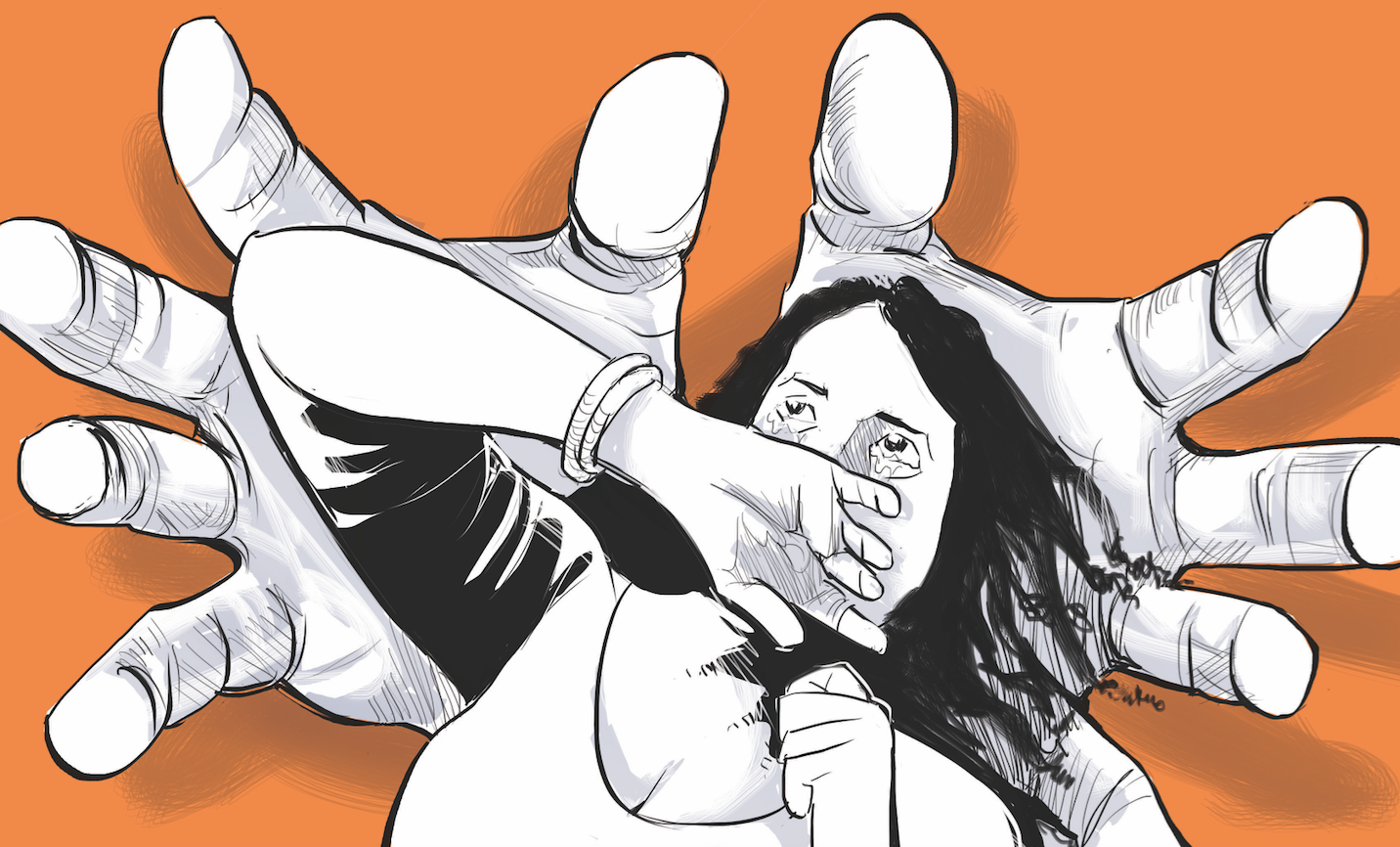
They offer hope. They give promises to mothers desperate to educate their daughters and promises of work to young men who’ve long given up on finding a livelihood.
And they quietly ‘disappear’ children from remote villages where no one goes looking.
A new civil society lobbies’ report has exposed human trafficking in Kenya today.
Take the case of Joram (*not his real name) who was promised a job by a member of his mother’s church and was moved from their home in Busia to Nairobi.
There, instead of being hired by an IT firm as promised, he was forced to work as a househelp for a year until he escaped to Gigiri police station.
The 21-year-old man was a diploma graduate and the church member did not suggest he would toil in a stranger’s home. He was naive, trusting and desperate for any help, given the family’s grim financial situation. The trafficking took place in 2023 and police say they are still investigating. Justice is slow.
The shadow report by the lobbies to the UN’s universal peer review mechanism has raised the alarm over what it calls a deepening human trafficking crisis in Kenya, which is driven by poverty, desperation and the failure of state systems.
Shadow reports are a way for NGOs and other groups to present alternative information to the reports that governments are required to submit under human rights treaties.
Whilst government reports often highlight progress in human rights obligations whilst downplaying violations, shadow reports often provide crucial information about problems in implementation and non-compliance.
Victims, mostly women, children and young men, are trafficked within Kenya and across its borders, according to the report.
Many are promised jobs, education, or safe passage. Instead, they end up in forced labour, sexual exploitation, domestic servitude, or forced begging.
“Vulnerable groups are often lured with promises of education or employment but end up trapped in exploitative conditions,” the report states.
The cases are not isolated and the pattern spans rural, urban centres and international migration routes.
Those enticed with opportunities abroad end up facing exploitation —unpaid wages, passport confiscation, excessive working hours and physical abuse. Some return with nothing but trauma. Others don’t return at all.
For those who make it back, the suffering doesn't end when they get home. The report reveals Kenya lacks a basic infrastructure to support survivors. There are no government-run shelters for trafficking victims. Services for recovery and reintegration — especially for adult survivors — are either extremely limited or entirely absent.
“The government's capacity to provide adequate protection services, especially for adult victims, is limited,” the report reads. NGOs and faith-based groups are trying to fill the gap, but without consistent funding or official support, they are overstretched.”
Even the National Assistance Trust Fund, which is supposed to help victims with long-term housing, counselling and reintegration support, is described as “significantly underfunded”.
As a result, survivors often return to the same vulnerabilities — poverty, unemployment and social isolation — that led to their exploitation in the first place.
Legal redress remains elusive. The report cites a decline in investigations and prosecutions of trafficking cases.
Many cases are misclassified or dropped due to lack of evidence. In some cases, traffickers receive fines instead of prison sentences, particularly in sex trafficking cases — penalties that civil society groups say do not reflect the seriousness of the crimes.
“Corruption and official complicity further hinder anti-trafficking efforts,” the report reads.
It cites instances in which law enforcement or judicial officials have accepted bribes to protect traffickers or sabotage investigations. This graft breeds impunity and deters victims from coming forward.
Kenya’s role as a regional hub also adds complexity to the problem. The country is a transit and destination point for people moving across East Africa. Conflict and instability in neighbouring countries, such as Ethiopia, Somalia and South Sudan, have only increased the flow of vulnerable people into trafficking networks.
Laws and enforcement mechanisms to stop cross-border trafficking remain weak. The report calls for greater regional cooperation, better border controls and stronger legal tools to disrupt transnational trafficking rings.
Enforcement is undermined by poor coordination, lack of training among law enforcement and judges and the absence of a centralised system to track the cases.
“Kenya has strong anti-trafficking laws on paper,” the report concludes. “But implementation remains weak.”
The message from civil society is clear: the country cannot continue to rely on underfunded NGOs and uncoordinated efforts. Trafficking is robbing people of their futures — and until the government invests in real protection, justice and prevention, the crisis will only deepen.
Instant Analysis
Kenya’s anti-trafficking framework looks strong on paper, but corruption and underfunding cripple real-world impact. This nongovernmental report is a wake-up call: without urgent reform, the most vulnerable will continue to be exploited and fall through the cracks.