For many Kenyans, if you told them you bought an item at one of the leading cities in the world, they would fold their hands and wait for you to tell them how quality the product is.
But is that really the case? Wrong. This as Kenyas own anti-counterfeit boss experienced firsthand. Imagine buying a shoe in Europe and it comes to peel off in Africa while wearing them.
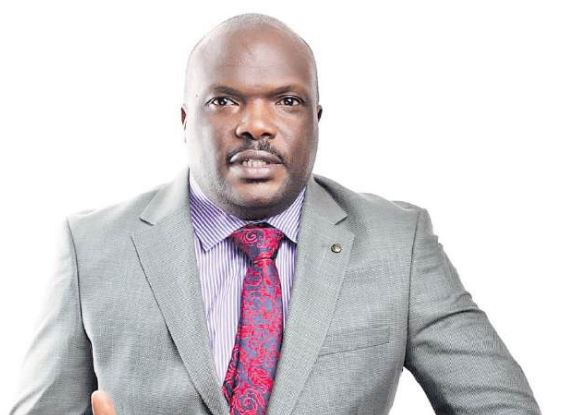
Well, The Star caught up with Kenyas anticounterfeit boss Dr. Robi Mbugua Njoroge, on his experience with counterfeits and what it takes to oversight arguably one of the country’s threats to business growth.
As the CEO of ACA, your role must be demanding. How do you manage to balance work, family, and personal time?
Indeed, the role demands high levels of presence and responsiveness, especially when dealing with matters of national safety and economic integrity. However, I’ve learned that balance is about intentionality. I carve out time for my family, for my work, for reflection, and for leisure. It’s a grounding exercise that allows me to return to the office rejuvenated and ready to serve. My day often begins before sunrise with personal reflection and light reading—usually something philosophical, geopolitical, or related to leadership. I then go through my agenda, attend meetings with my directors, and respond to matters from stakeholders. Some days involve fieldwork on enforcement operations or public engagements. I always try to end my day connecting with my team or family and unwinding with deep reading that sharpens thought and nourishes perspective.
What keeps you awake at night?
What concerns me most is the knowledge that counterfeit products—whether it's medicine, fake agro-inputs, substandard electronics, or counterfeit brake pads—can cause real harm to consumers and society.
These are not abstract risks; they’re tangible threats to health, safety, and livelihoods. That said, I sleep well knowing we are actively confronting these challenges. Leadership, after all, is about remaining calm and focused amid serious responsibilities—and maintaining balance so you can lead with clarity and strength each day.
3. How do you stay physically and mentally fit given your busy schedule? Any specific routines or habits?
Staying fit, both physically and mentally, is essential in a role that demands decision-making and alertness. I make time for regular jogging—it helps keep me active and offers a quiet space to reflect and recalibrate. Mentally, I find balance through reading and maintaining structured quiet time. I also believe that fostering a purpose-driven team significantly enhances mental clarity. When your team is aligned, it strengthens your own capacity to stay focused and composed.
What personal values guide your leadership style at ACA? What book, quote, or mentor has had the biggest impact on your leadership style?
My leadership at ACA is grounded in the values of alertness, credibility, and authenticity. These principles guide how I interact with my team, stakeholders, and the public. I believe in fairness, transparency, and empowering those I lead—ensuring that recognition and opportunity are cascaded throughout the organization. Leadership, to me, is about creating space for others to grow and delivering impact with integrity.
Literature—particularly African and classical philosophy—has profoundly influenced my leadership approach. A line from Chinua Achebe’s Things Fall Apart has always stayed with me: “The lizard that jumped from the high iroko tree to the ground said he would praise himself if no one else did.” It reminds me that resilience and self-belief are essential in public service, where praise may be delayed or absent. I also draw from Greek philosophy—particularly the concepts of Chronos and Kairos, which distinguish between the mere passage of time and the opportune moment that defines impact. Recognizing and seizing those moments is key to transformative leadership.
What inspired your journey into public service and, specifically, leading the Anti-Counterfeit Authority?
Public service has always been a calling for me. My professional background reflects a deep passion for communication, research, and academia—the intersection where theory meets practice. Before joining ACA, I served as the team leader at the Kenya Association of Music Producers (KAMP). These experiences revealed the critical role intellectual property plays in shaping societies and economies. ACA gave me a unique opportunity to drive change at the heart of IP enforcement and consumer protection.
What are the most common counterfeit products affecting Kenyan consumers today that the Authority is aware of?
Counterfeit pharmaceuticals, agro-inputs, electronics, and cosmetics continue to infiltrate the market. These products not only endanger health but also erode trust in legitimate businesses and hamper industrial growth.
8. The demand for high-end fashion and electronics is rising. What advice do you have for consumers who unknowingly buy counterfeit versions?
We encourage consumers to stay alert and informed when making purchases, especially in today’s fast-paced, digital marketplace. One helpful approach is to consider the "4 Ps": price, place, packaging, and perception. If the price seems too good to be true, it probably is. Where you buy a product matters—avoid backstreet vendors or unverified online shops. Pay attention to packaging; poorly printed labels or tampered seals can indicate a counterfeit. And above all, trust your instincts—if something doesn’t feel right, it likely isn’t.
With the rise of e-commerce, verifying authenticity has become even more critical. Consumers should use reputable platforms, check seller ratings and reviews, and look for product certifications or official brand markings. When in doubt, ACA offers guidance through its website and support channels. Authenticity is not just about brand loyalty—it’s about health, safety, and value for money.
9. How does ACA balance enforcement with supporting local businesses that may unknowingly sell counterfeit products?
Not all sellers are aware they may be dealing in counterfeit goods, which is why our enforcement strategy combines technology with education. Using advanced tools like the ACA Recordation System and the recently launched BLEEP Technology, we’re able to detect counterfeit products at ports of entry and within the market more efficiently. At the same time, we offer training and awareness sessions to help traders understand the risks and responsibilities involved. Protecting the integrity of our market requires both vigilance and shared commitment.
Have there been any recent operations or successes that you're particularly proud of?
Absolutely. Our targeted enforcement on counterfeit agro-inputs—seeds, fertilizers—has had a huge impact on agricultural productivity and food security. We've also intercepted illicit LPG refills and counterfeit brake pads and electronics, which pose deadly risks. Each successful operation translates into saved lives and livelihoods.
Online Shopping: With the growth of e-commerce, how can shoppers verify the authenticity of products before purchasing?
E-commerce is a double-edged sword—it offers convenience but is ripe for exploitation. All humans—regardless of status—are susceptible. I empathize with consumers who fall victim. We advise them to check verified sellers, scrutinize online reviews, and avoid unfamiliar platforms. We’re also working with digital marketplaces to improve transparency and traceability.
Many young people buy cheap replicas of designer items. How does ACA engage with this demographic to promote awareness?
We engage young people through platforms they relate to—social media, influencers, and campus activations—using messaging that makes originality feel both ethical and stylish. While replicas may seem harmless, they fuel illegal trade and erode the value of genuine creativity.
To deepen impact, we’ve partnered with public universities and institutions of higher learning through career weeks and innovation forums. Our sponsorship of the Kenya Music Festival also allows us to promote respect for intellectual property among the youth, fostering a culture that values authenticity and innovation.
What is the weirdest thing you have ever bought?
(Laughs) I once bought what I believed were premium running shoes from a leading global brand while abroad on official duty in a major European city—stylish, well-packaged, and convincing in every way.
Back home, during a morning jog, the soles began peeling off mid-way. Thankfully, there was no media or third party to witness the embarrassment. It was a humbling reminder that even the best of us can fall for counterfeits—and a clear indication that this is truly a global menace, not just a local problem.
Do you have a preferred fashion brand or style, and how do you ensure authenticity in your purchases?
I wear a blend of African and Kenyan design and contemporary and classic styles, depending on the occasion. I proudly support Buy Kenya Build Kenya. To avoid counterfeits, I purchase directly from designers or certified outlets.
How do you see consumer behavior changing regarding counterfeit goods in the next five years?
We're already seeing more vigilance, especially among digital-savvy consumers. With technology and education, the tide is shifting. I envision a future where authenticity is non-negotiable and counterfeits become socially unacceptable.
If you weren’t in public service, what career path do you think you would’ve taken? Perhaps an academic or a media consultant in IP and governance. I’ve always loved ideas and their impact on society. Public service just happened to be the avenue where those passions found a voice.
What advice would you give to young professionals aspiring to leadership roles in government or regulatory bodies?
Lead with purpose, and let patriotism be your compass. Public service is not about power or prestige—it’s about serving people with humility and integrity. Avoid the trap of bossiness; real leadership is about empowering others, not commanding them. Build strong, values-driven teams, recognize talent, and ensure appreciation flows across all levels. Leadership in government or regulatory bodies must reject corruption in all its forms and promote transparency and trust. Ultimately, it’s not about the title you hold, but the impact you create and the legacy of service you leave behind.
When you’re not working, how do you like to unwind? Any favorite hobbies or activities?
I enjoy regular jogging, reading, and understanding the mysteries of the universe, geopolitics, statecraft, and classical philosophy. These engagements are my cup of tea. Those moments of intellectual engagement help me reflect deeply on life, leadership, and society. They offer the calm I need to lead effectively in a complex world.