What began as a personal search for identity turned into a powerful movement.
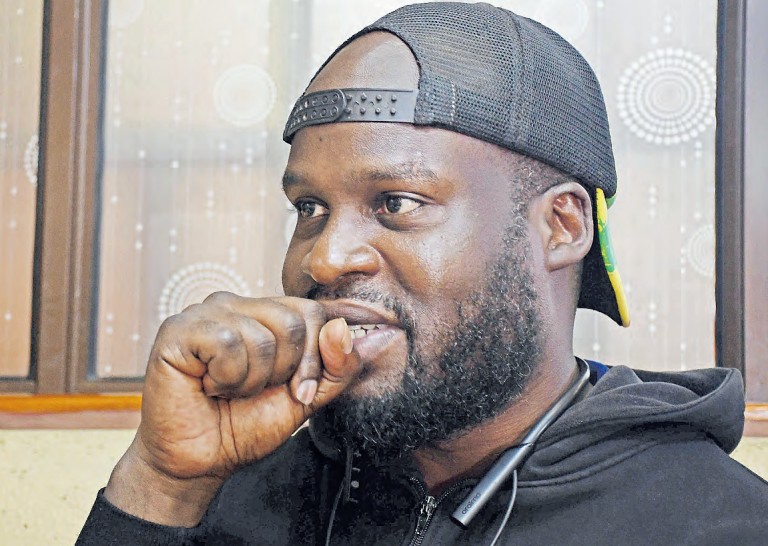
Geoffrey Katai, better known as Jefro, has gone from a lost teenage chasing belonging to a cultural architect to raising an army of hiphop artists, change agents and street pastors.
Jefro’s early life in Lang’ata was anything but easy. The neighbourhood throbbed with mathree culture — loud music, graffiti-laced vans and a survival of the fittest mindset. At home, things were even more chaotic.
His family was gripped by violence, escalating from verbal attacks to physical abuse, and the war between his parents really affected his self-being.
His father was around, but only like a ‘day scholar’, present yet distant, bringing a tension that never truly left.
“He would come in late at night and leave early in the morning, and we missed seeing him several times a week,” he says in an interview.
Running from the turbulence, Jefro turned to drugs, alcohol and the thrill of rebellion.
He craved adrenaline and excitement, but beneath that wild chase was a wounded boy trying to cope.
He struggled to connect, and his escape mechanism was in drugs.
“Some fathers are boarders, others are day scholars. Mine? He was like both — around just long enough to hurt. He left a lot of scars when he eventually walked away,” he reflects.
Life had an interesting twist when he enrolled for his secondary education. When he joined Dagoretti High School, the bullying was brutal, a haunting echo of his home life. But this time, he stood his ground. He refused to be a victim again.
That inner fire became the beginning of his transformation. He looked for an interesting way to connect with his schoolmates and music came in handy.
Hip-hop, raw and unfiltered, became his new religion. “It was not just music — it was a gospel,” he says.
The beats, the bars, the culture embraced him when nothing else did. But as the streets raised him, they nearly destroyed him.
Addiction, confusion and darkness clouded his path, and struggling with his faith and fitting in crept up.
Then came the near-death experience that would change everything.
On his way to buy leaked KCSE exams, Jefro narrowly escaped the 1998 Nairobi bomb blast. With only a few scratches, he walked away from the wreckage, forever changed.
“If I survived that, then God must have a plan,” he realised.
While his mother, a diplomat, sent him extra money for university, Jefro funnelled it into something else — studio sessions and underground rap battles.
Education happened, yes, but not the kind found in classrooms. His real school was the streets and the sound waves.
Even after relocating to New Delhi, India, for a while, he built a creative community there before returning home with one burning mission: to raise a brotherhood.
Back in Kenya, he knew exactly what he wanted. He wanted to build a Brother’s Keeper kind of movement.
One in which artists looked out for each other beyond studio time. His mantra was simple.
“If we could move together — check on each other, sharpen each other, hold each other accountable — we could change everything,” he says.
And that’s what he did. Jefro began hosting regular workshops, Bible studies and rap battles.
The movement he planted wasn’t just artistic; it was spiritual, social and deeply rooted in mentorship.
Many of the young creatives he mentored went on to become media personalities, social justice warriors and even pastors.
“Art reaches where sermons can’t,” he often says. “It cuts straight into the soul.”
To him, leadership is influence. It’s not about titles; it’s about trickle-down transformation.
“The ideologies of your mentors become your worldview. That’s why we need righteous, real and relevant leaders,” Jefro insists.
He lives by his other mantra: be real, be righteous, be relevant, which echoes in everything he does.
He believes hip-hop is more than a genre. It’s a vehicle to challenge injustice, build community and change minds. And he’s seen it happening.
Through rhythm and rhyme, Jefro is reshaping the way Kenyan youth think, act and dream.
It is this that has earned him the title, King of HipHip. He has worked and mentored artistes like Juliani, Pastor T, Kitu Sewer, among others. And he believes they are among the few that have influenced society through their work.
His story is far from over, but one thing’s for sure—Katai didn’t just find himself through music. He found his mission