Nairobi’s matatu industry has long struggled with maintaining order.
Even in the face of strict regulations, it remains mired in disarray, undermining efforts to ensure a safe and efficient public transport system.
Dominated by privately-owned matatus and minibuses, the sector has long been criticised for reckless driving, arbitrary fare hikes, and poor customer service.
But, what fuels this disorder?
Interviews with various operators in the industry point to various challenges from competition for customers to traffic menace to unceasing cases of bribery synonymous with the traffic police.
*Njuguna (not real name), a matatu driver for one of the popular Saccos in Nairobi CBD, blames the pressure to meet daily targets for the mess.
“Every day, I have to bring back a set amount to the owner. If I don’t, I risk losing my job. That is why you will see some of us overlapping, speeding, or making sudden stops just to pick passengers,” he told us.
While he admits that some drivers act irresponsibly, he maintains that the system itself is flawed.
He also cites the long hours and exhaustion that come with the job.
“We start as early as 4 am and sometimes work until midnight. The more trips we make, the better we earn,” he states.
But with the crazy traffic in Nairobi, James says they have to be aggressive to survive, noting that if matatu owners were not so demanding, and if traffic laws were enforced fairly, things would be different.
*Mark, a conductor with another Sacco plying Mombasa Road, points fingers at the traffic police officers who he said collect bribes on the road or CBD and only act when something goes viral.
According to him, corruption plays a huge role in the chaos and “if the rules were enforced fairly, matatus would not operate recklessly,” he states.
"At almost every stage, there is a cop expecting something. If you do not pay, they find a reason to impound your matatu - faulty lights, missing seatbelts and other minor offences,” he states.
Mark adds that when they are found with a mistake they just have to give them something to avoid delays.
Mark points out that the culture of bribery means matatus can flout traffic laws without consequences, leading to reckless behavior.
The allegations have, however, been strongly rejected by the National Police Service (NPS) which has insisted that the presence of the traffic police is strictly to facilitate movement of vehicles.
According to the Police, their role within the CBD is to facilitate movement and not much about enforcement.
Nairobi Area Traffic 1, Joe Chirchir, told the Star that even as they strive to ensure there is order, they encounter challenges with pedestrians and the matatus both competing for available space.
He argues that the pedestrian walkways have been taken over by traders selling their wares forcing them to come to the main road.
“Under normal circumstances, the roads within the CBD are supposed to be two lanes but now matatus are using one because one has been converted into a stage. The space is getting smaller and smaller,” says Chirchir.
“In the morning, we are trying to control the traffic, we are there to ensure free flow of traffic. We are not even doing the compliance checks. How can we be blamed for the mess?”
Bodabodas, and handcarts, he adds, which ought to be regulated by the county are operating without any order, something that is contributing more to the mess.
*John, a tout working in the CBD, sees things differently.
He says: “We operate in a competitive environment. If a matatu is empty, we have to fight for passengers. Sometimes, that means shouting, pulling people in, or even charging different fares at different times.”
He acknowledges that incidents like the recent tragedy taint their image but argues that most touts are just trying to make a living.
Matatu Owners Association (MOA) President Albert Karakacha, on his part shifts blame to the both the national and county governments for the mess within the transport sector.
Karakacha says there is no goodwill in ensuring the industry thrives.
Responding to the selected cases of some matatu operators being caught engaging in ugly behaviors, Karakacha attributed this to lack of proper trainings.
He says they pay a lot of taxes to the national government through KRA but it is not being utilised on the intended purpose.
“When we talk about driver training, the Ministry of Transport needs to sit down with us and form a team to address issues in the sector. There is what we call training levy, so they should use this money to support us,” he says.
He claims “such things are not happening because of corruption. Some people such chaos to continue so that they can continue collecting money from the matatus.”
The order in the CBD, he says, can be achieved if they have a strong team working on the issues PSV sector.
“We have the technocrats in the PSV sector who want to have this order to be in place but because of corruption, some people oppose,” he adds.
Nairobi City County Mobility and Works CEC Ibrahim Auma acknowledged the matatu mess in the CBD while stating that this has greatly reduced since the current administration took over.
Auma points out that when they came in, the management of PSVs was under the national government through the Nairobi Metropolitan Service (NMS) but since then they have managed to regulate it.
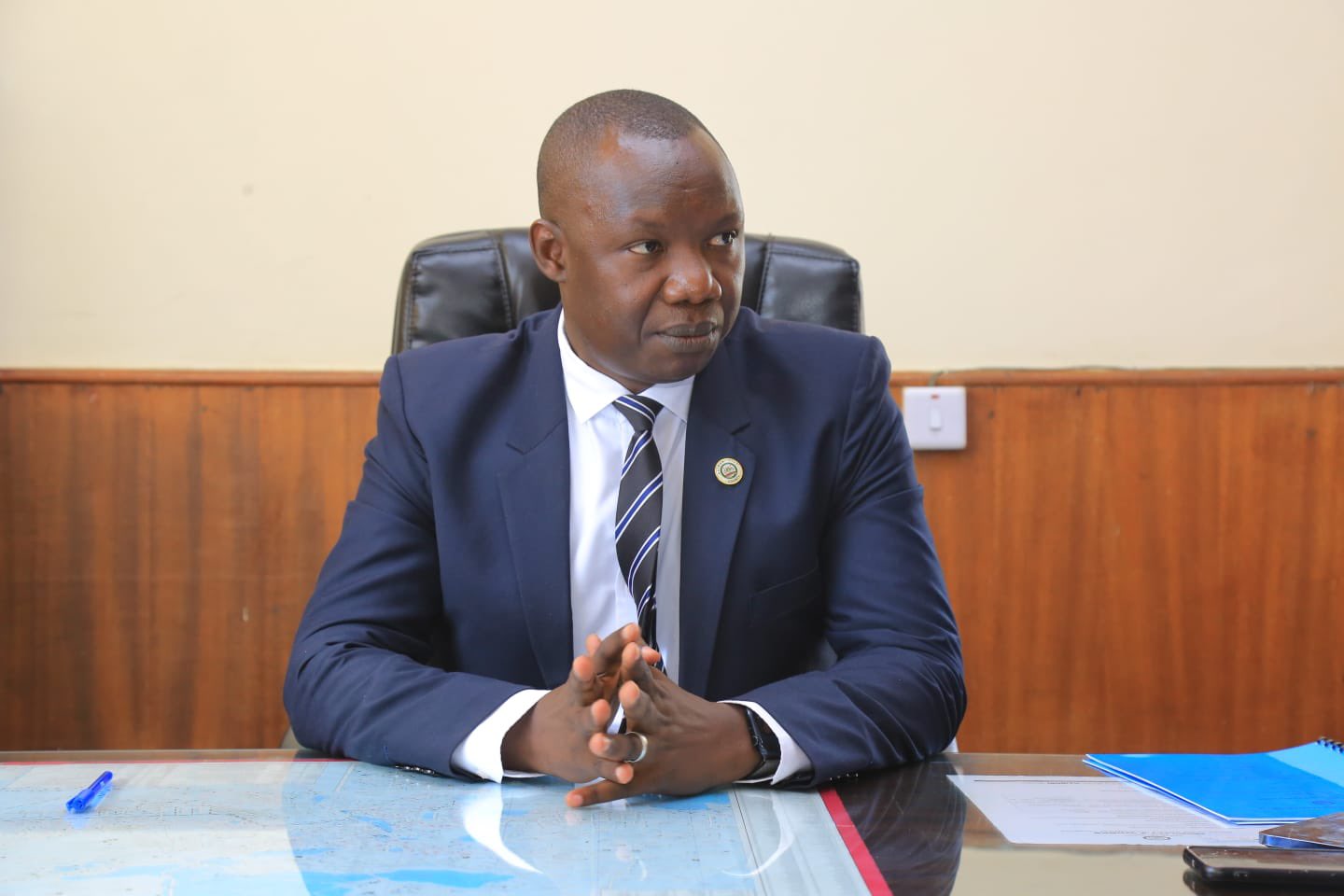
“The national government cannot implement the bylaws of a county and that is the problem that we had.”
He adds that with Nairobi being one of the most rapidly growing cities, the issue of congestion should be expected.
He also dismissed claims of bribery among the traffic marshals, noting they work harmoniously with the traffic police.
“We meet twice every week and the meetings involve senior officers from the county, police and NTSA,” he states.
Auma says that with the new policies to govern the sector having been introduced and currently being applied in a bid to restore order, complaints from some quarters are common.
“From where I am seated, I cannot blame anyone. There are those opposed to change and so it is normal.”
Last December, the County established the Mobility Enforcement Unit (MEU), aimed at addressing pressing issues such as traffic congestion, illegal parking, and enforcement gaps in the transport sector.
The MEU operationalises key provisions of the Nairobi City County Transport Act, 2020, and streamlines enforcement efforts across the Mobility and Works Sector.
“It will centralise the regulation of public road transport, motorcycle operations (boda bodas and tuk-tuks), traffic management, and parking,” Governor Johnson Sakaja said.
The unit’s primary objectives include eliminating illegal parking, reducing disruptive street activities, and improving traffic flow across the city’s busy streets.
The MEU will comprise four specialised units: the Public Transport Unit (PTU), the Traffic Marshal Unit (TMU), the Motorcycle Transport Unit (MTU), and the County Parking Unit (CPU).
PTU is responsible for regulating matatus and other public service vehicles to ensure compliance with traffic laws, while the TMU is charged with managing traffic flow and addressing congestion hotspots.
MTU focuses on ensuring the safe and compliant operations of boda bodas and tuk-tuks, while the CPU oversees parking and eliminate illegal practices.