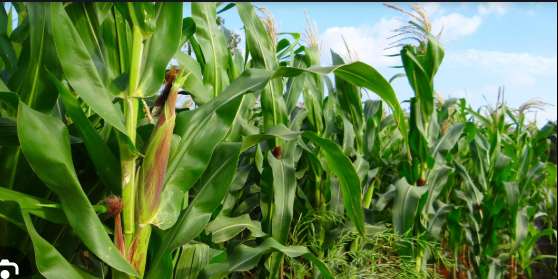
As one of Kenya’s most vital staples, maize is the lifeblood of many households and the foundation of a signi cant portion of our economy.
Its importance cannot be overstated: Kenyans consume approximately four million (90kg) bags of maize monthly, translating to 48 million bags annually, with a staggering value of around Sh250 billion, positioning maize as our most traded commodity. However, the reality of maize production tells a different and alarming story.
Yearly, maize production hovers at about 20 to 30 million bags, creating an average deficit of 18 million bags, a gap that increasingly threatens food security.
Strikingly, this statistic is often distorted by commingling imported maize from neighbouring countries with local production figures.
While the government reports of bumper harvests in 2024, the reality is contradictory, suggesting we stand on the precipice of a serious maize shortage.
Recent market trends indicate prices at the farm gate have soared to Sh4,000 per bag from Sh2,500 in September 2024, a stark reminder of the impending crisis. The situation has been intensified by regional dynamics.
The Southern African Development Community region, plagued by drought in the 2023-24 season, has forced many countries, including South Africa, to turn toward Tanzania for maize imports.
With Tanzania focusing its surplus on SADC countries, Kenya’s supply lines are becoming increasingly strained. Our reliance on these regional imports culminates in a precarious situation where, without immediate intervention, Kenyans could soon witness flour prices soaring past the Sh200 mark.
What went wrong? The metrics we rely on to measure maize production versus consumption are often grounded in shaky foundations.
The National Cereals and Produce Board has become ineffective, with many storage facilities standing empty, while private entities reap the benefits of any meagre grain reserves.
Government’s attempt to motivate farmers to deliver maize at Sh3,500 per bag has yielded disappointing results, with only a handful responding.
In contrast, Tanzania has effectively mobilised its farmers, creating substantial stockpiles in their National Strategic Reserves.
Moreover, competition for maize from people, livestock (silage and dry animal feeds) and the market for green maize results in a significant waste of potential food resources.
Former KAM chief executive spoke to
the Star