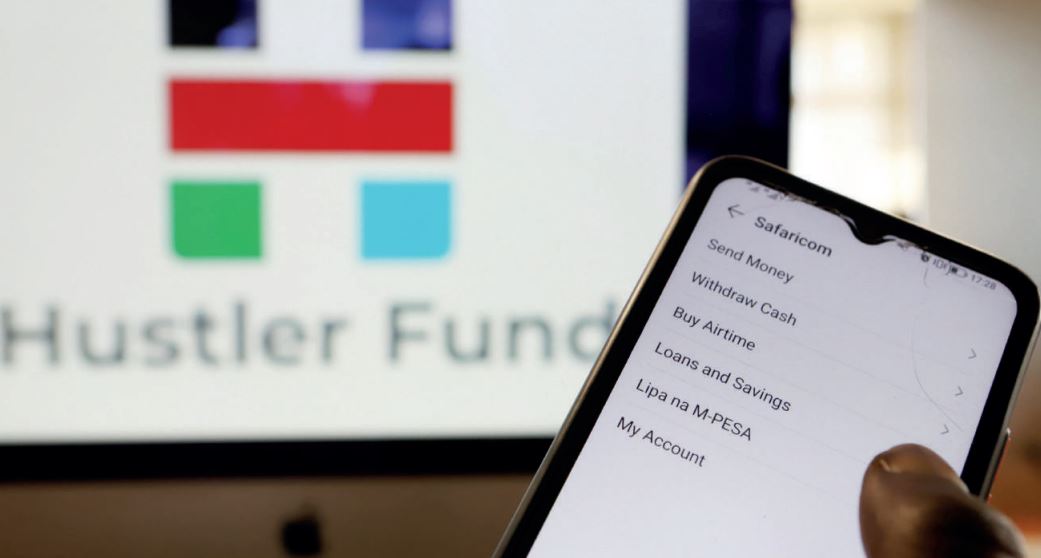
Kenyans who borrowed billions from Hustler Fund and are yet to repay may well get away with the funds.
Auditor General Nancy Gathungu has doubted that the government would recover the Sh8.7 billion that has remained unpaid for over a year.
“Records indicated that 64 per cent of the fund’s total loans were outstanding for more than a year, hence casting doubt if the fund will recover the loans issued to borrowers,” she said. A total of Sh13.5 billion was out standing as of June 30, 2024, being principal of Sh12.3 billion and interest of Sh1.2 billion.
“In the circumstances, the recoverability of the non-performing loans of Sh8.7 billion couldn’t be confirmed,.”
It was also established that the management has no way of providing real-time information on loan management status.
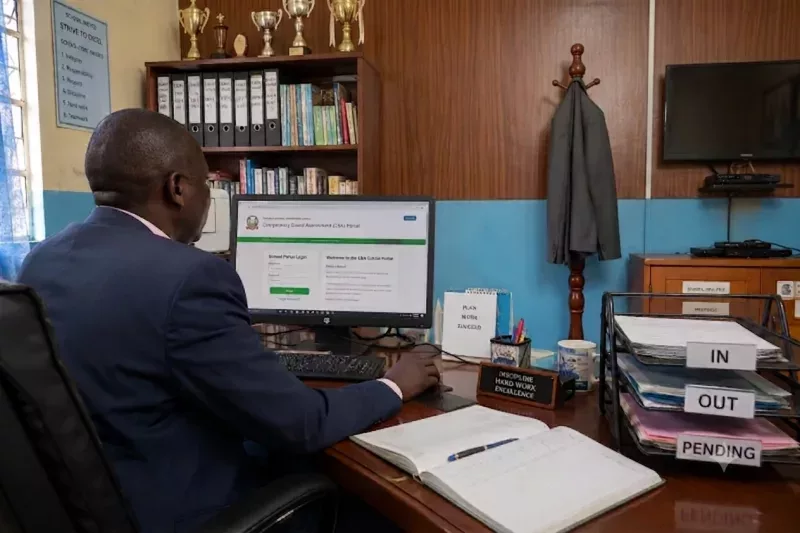
It emerged that the department has no internal information management system to handle the loans.
“The fund doesn’t have control of the loans management including disbursements, repayments, withdrawal of savings, and maintenance of records of the outstanding loans,” the audit report reads.
Gathungu says that instead, the fund heavily relies on the systems and data processed by the service providers.
“This exposes the fund to operational, financial and data integrity issues. In the circumstances, the accuracy of the loans management couldn’t be confirmed,” the auditor general said.
The auditor decried that the fund had not invested in a proper loan management system despite its mandate to “manage and oversee the lending and savings activities”.
“The challenges would have been avoided if the fund had its own loan management systems,” Gathungu said. It was further established that the management did not have a credit policy and collection strategy for non-performing loans.
A credit policy protects the fund form late payments and helps it maintain a healthy working capital position.
“It was not possible to determine management ability to provide real time information on loan management status,” Gathungu said.
President William Ruto introduced the Hustler Fund – officially known as the Financial Inclusion Fund – to ease small traders’ financial woes.
The Kenya Kwanza administration allocated Sh12 billion as seed capital for the fund. But two years later, a majority of the borrowers are yet to repay the amounts they were loaned from the kitty.
The audit findings come as the government appears to be clueless on how to deal with the defaulters. Ruto’s team is struggling to recove the outstanding amounts, with government data showing that only Sh3 billion is saved in the fund.
Attempts to have citizens pay, including by threats of sanctions like missing out on government services, have not worked. Recently, PS Susan Mang’eni of the Micro Small and Medium Enterprises Development was hard pressed to explain how the government would recover the monies.
She said the government has come up with radical measures including downgrading loans.
The PS said the government has established a credit-rating system to help track down the defaulters.
“All the 23.5 million Hustler Fund beneficiaries have been subjected to a credit rating system as a way of enhancing financial discipline,” Mang’eni said.
Before the National Assembly’s Trade Committee recently, Cooperatives CS Wycliffe Oparanya and PS Mang’eni said the department was working on the internal system.
Auditors established that the fund has no internal audit unit or audit committee and hence has no audit function. Gathungu said in the circumstances, the effectiveness of internal controls and risk management could not be confirmed.
The Public Finance Management Act, 2012, states that the national government is required to make appropriate arrangements to conduct internal audits.
The audit also highlighted discrepancies in the records management system, therefore, deemed as unreliable.