
Russian attacks on Ukraine’s energy infrastructure have left millions of civilians struggling without electricity, heating, water and other essential services, with older people, children and the sick bearing the greatest burden, a United Nations investigation has found.
The attacks, which have continued for more than four years, have increasingly exposed civilians to life-threatening conditions, particularly during winter, when temperatures drop below freezing and access to heating becomes essential for survival.
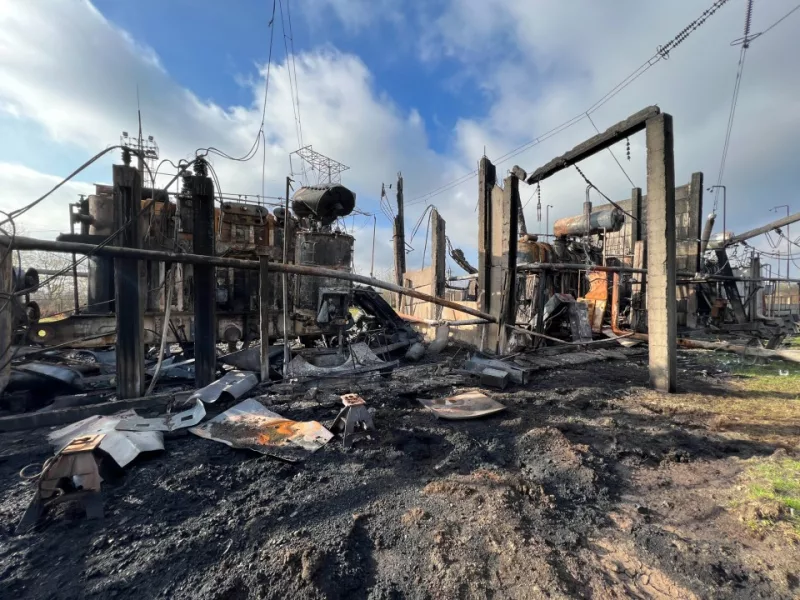
In a report submitted to the 81st session of the UN General Assembly on October 19, 2026, the Independent International Commission of Inquiry on Ukraine said repeated waves of Russian drone and missile strikes had inflicted extensive damage on power generation facilities, electricity distribution networks, substations, transmission lines, heating plants and gas infrastructure.
The Commission warned that the cumulative impact of the attacks had created intolerable living conditions for millions of people, with prolonged interruptions to electricity, heating, water and gas supplies undermining their health, safety and ability to meet basic needs.
It said the situation had become particularly severe during the 2025-2026 winter, when temperatures fell to minus 21 degrees Celsius in some areas.
According to Ukrainian authorities cited in the report, attacks reduced thermal power generation capacity by 70 per cent in the most affected areas, leaving millions of residents without electricity or facing blackouts lasting several hours or even days.
The Commission said electricity in some areas was available for an average of only two hours daily, often during the night, forcing residents to use the limited supply to warm their homes and water.
A woman from Kyiv described how conditions deteriorated following a major attack on January 9.
"Until 9 January, the living conditions were more or less manageable, we still had electricity 2 or 3 hours a day. But after the massive attack on 9 January, all went out: heating, water, electricity. Everything pitch black in the whole neighbourhood," she told investigators.
The loss of electricity also disrupted water supply because many distribution systems rely on electric pumps.
Residents consequently struggled to cook, preserve food, maintain hygiene and store medicines requiring controlled temperatures.
For families whose homes had previously been damaged by explosive weapons, the situation was even worse, with shattered windows and temporary wooden coverings offering little protection against the cold.
Civilians face serious health risks
The Commission found that prolonged exposure to freezing temperatures had caused various physical health complications, particularly among older people, children and individuals with pre-existing medical conditions.
Medical personnel reported treating patients suffering from frostbite and hypothermia after spending extended periods in unheated homes.
Some cases were fatal.
One doctor described a patient who suffered frostbite to the feet before developing sepsis following prolonged exposure to cold temperatures.
The report said Ukrainian authorities had documented deaths linked to low temperatures in homes and even hospitals since October 2025.
Other health complications included respiratory diseases, cardiovascular stress, heart attacks, strokes, skin conditions and reproductive health problems.
People with existing illnesses faced additional difficulties as electricity disruptions affected medical equipment and the safe storage of medicines.
An organisation supporting children with cancer and their families told the Commission that exposure to cold temperatures had worsened the condition of some patients.
The elderly and people with limited mobility were particularly vulnerable because power cuts frequently paralysed lifts in apartment buildings, leaving some unable to leave their homes.
Those living on higher floors faced the additional danger of becoming trapped during electricity interruptions.
One older resident described the desperation caused by the outages, telling investigators: "I lay cold and hungry, without medicine, without anything".
The Commission noted that some elderly people living alone were admitted to hospitals during periods of extreme cold because they had no alternative means of surviving the conditions.
Hospitals and children affected
The attacks have also disrupted healthcare services, despite medical facilities having backup generators.
The Commission said some smaller hospitals and clinics experienced electricity interruptions because their generators had insufficient capacity, broke down or ran out of fuel.
This affected medical consultations, surgeries, diagnostic procedures and patient transportation.
The outages also threatened the safe storage of vaccines, blood, medicines and other temperature-sensitive medical supplies.
In one account, a woman described caring for her terminally ill mother in a hospital where electricity remained available but heating had failed.
Her mother endured temperatures described as freezing during chemotherapy sessions lasting between four and six hours. She died in February 2026.
Another patient suffering from cystic fibrosis requested an early discharge from hospital because she could no longer tolerate the cold.
Children were also heavily affected, with schools closing or switching to remote learning during periods of severe energy shortages.
Families were forced to keep children indoors for extended periods, with some becoming ill because of the cold.
One woman described the conditions inside their apartment, saying: "you could see the steam coming out of the children's mouths".
The report also highlighted the disproportionate burden placed on women, particularly in households where men had been mobilised for military service.
Women were left with additional responsibilities of caring for children and other family members while managing household survival and, in some cases, continuing to work remotely.
Psychological toll of prolonged blackouts
Beyond the physical consequences, the Commission found that repeated electricity and heating disruptions had caused significant psychological distress among civilians.
Residents interviewed described persistent anxiety, depression, insomnia, exhaustion and fear associated with prolonged exposure to cold and uncertainty over when electricity would return.
Some required antidepressants to cope with the psychological effects.
One woman told investigators: "You have to understand that the most difficult part is not the physical part but the psychological toll that those constant power cuts inflict on regular residents. I, myself, have to take anti-depressants to simply live on".
Another said the combination of darkness, cold and uncertainty had left residents concentrating entirely on survival.
"You cannot do anything else. All your energy is focused on survival only," she said.
For some, the psychological effects continued long after the winter season.
A young woman told the Commission that thinking about the approaching winter triggered emotional breakdowns and physical reactions associated with fear.
Another resident described staying awake through the night because of the fear of falling asleep and failing to wake up due to the cold.
"The scariest thing was to fall asleep and not to wake up; it was like torture to be scared of dying from cold," he said.
The Commission said the accumulated effects of repeated attacks had progressively reduced the ability of civilians to cope with the crisis.
Although some residents temporarily relocated from the worst-affected areas, the report noted that only those with sufficient financial resources could afford to leave.
Russia targeting civilian infrastructure
The Commission said its findings were based on interviews with 255 people who experienced the winter crisis in Dnipro, Kyiv, Kharkiv, Kherson, Mykolaiv, Odesa, Poltava, Zaporizhzhia and Zhytomir regions, alongside information from Ukrainian authorities, medical personnel and non-governmental organisations.
It assessed that Russian commanders ordering the attacks knew that heating facilities serving large civilian populations were indispensable, particularly during winter.
The Commission also cited public statements by Russian officials indicating plans for further attacks on Ukraine's energy infrastructure.
On September 1, 2026, Russian President Vladimir Putin said the Russian armed forces had been instructed to prepare and carry out massive strikes on Ukraine's energy infrastructure.
Earlier, on August 14, Russia's Defence Ministry Telegram channel published a message stating: "In winter you will freeze".
The Commission said the repeated attacks, their expanding geographical reach and increased intensity during cold periods demonstrated a deliberate pattern of targeting infrastructure essential to civilian survival.
It concluded that attacks directed against civilian energy facilities amounted to war crimes of intentionally directing attacks against civilian objects.
It further found that the broader campaign constituted the crime against humanity of other inhumane acts, arguing that the attacks had been carried out pursuant to a state policy intended to deprive civilians of essential energy supplies and cause suffering.
The report said the facilities targeted included infrastructure that did not qualify as military objectives under international humanitarian law, despite Russian claims that the attacks targeted military or dual-use facilities.
The Commission recommended that Russia immediately cease attacks against civilian energy infrastructure and facilities indispensable to the population.
It also urged Moscow to observe international humanitarian law, particularly the principles of distinction and proportionality, and take all feasible precautions to minimise civilian harm.
The international community was urged to continue providing humanitarian support to address the consequences of attacks on energy infrastructure, including their impact on physical and mental health, access to essential services and overall living conditions.
With another cold season setting in and attacks continuing, the Commission warned that civilians faced renewed threats to their lives and health.
It said the cumulative damage to the energy system and the strain placed on repair capabilities meant that millions remained vulnerable to further disruptions.
The report concluded that the widening geographical reach, increased intensity and repeated nature of the attacks had compounded civilian suffering over the years, leaving an increasingly large population struggling to survive conditions that have become progressively harder to endure.