Kenya's return to the international hockey conversation may not be as distant as its recent struggles suggest.
This comes after the country's Under-18 boys and girls offered a glimpse of what the future could hold.
However, sustaining that promise will require more than talent, with players, officials and stakeholders calling for deliberate investment in infrastructure, grassroots development, sponsorship and international exposure.
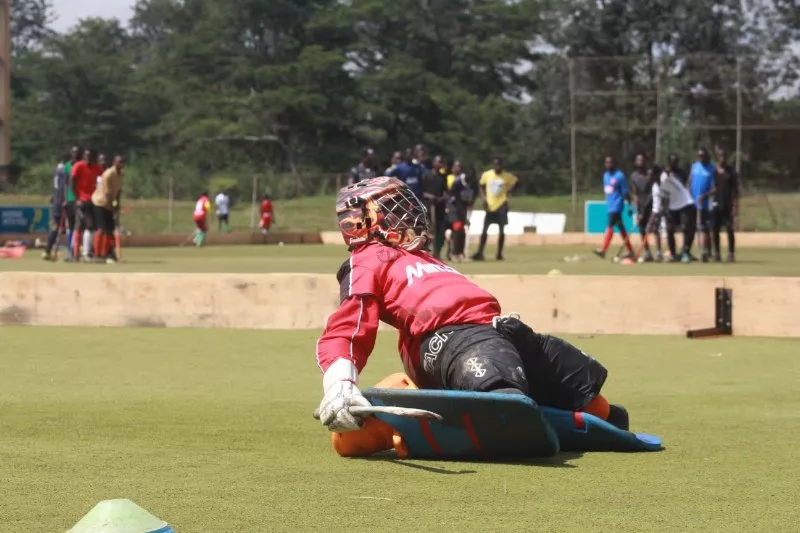
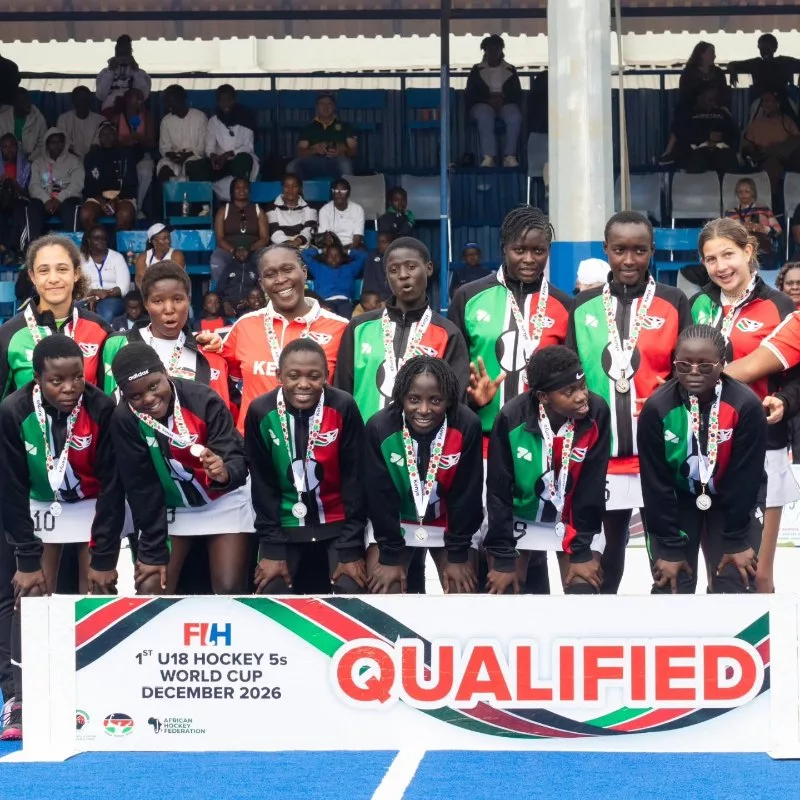
The two national youth teams secured qualification for the inaugural International Hockey Federation (FIH) Youth Hockey5s World Cup.
They displayed impressive performances at the Youth Africa Cup in Nairobi, where the boys defeated South Africa 6-5 in the final to win gold, while the girls settled for silver after an 11-6 defeat to the same opponents.
Their qualification reinforced the belief that Kenya still possesses the raw talent to compete internationally, provided structures to nurture and retain that talent are put in place.
For former players and those still active in the game, however, the achievement raises a bigger question: What happens to these young players after their breakthrough at international level?
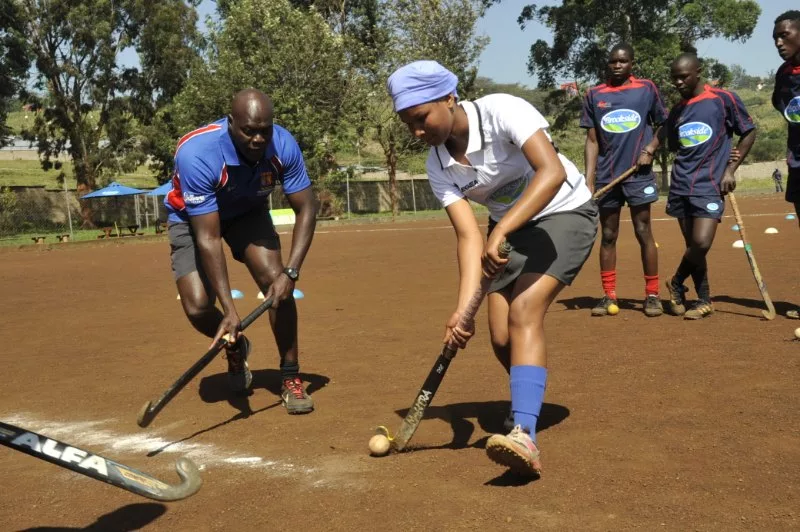
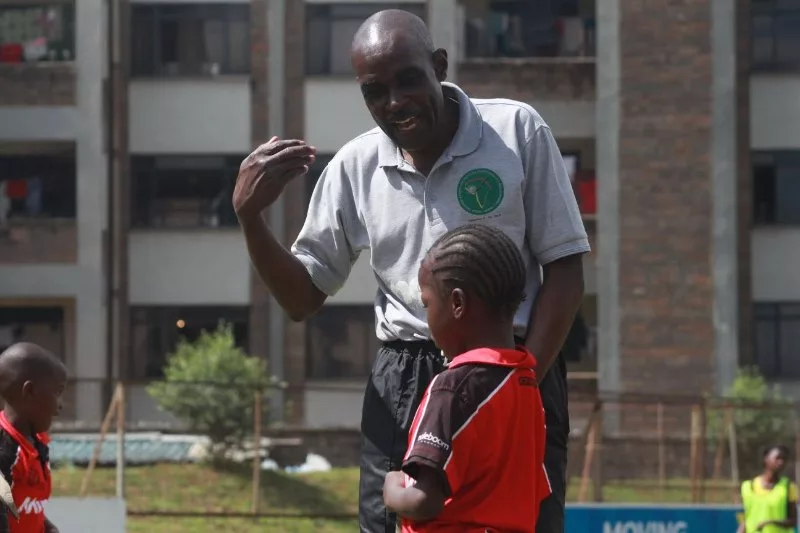
USIU veteran head coach John Kabu believes Kenya's challenge is not necessarily a shortage of talent. He said the country lacks sustainable opportunities for players to develop their abilities and build careers through hockey.
"We do have the talent. The question is what are we doing to make things better? Once athletes get better opportunities elsewhere, they opt out because the sport cannot sustain them," Kabu said.
He points to football as an example of a Kenyan sport with considerable grassroots talent, arguing that hockey faces a similar situation but has yet to develop the structures necessary to convert its potential into consistent results.
One immediate intervention he proposes is establishing more hockey development centres across the country, rather than concentrating facilities in Nairobi.
Currently, Dashmesh Stadium and the recently inaugurated artificial turf at Hillcrest International School provide important playing and training opportunities. However, the limited number of suitable surfaces restricts the frequency with which players can train and compete on facilities that reflect international standards.
Kabu believes the Kenya Hockey Union (KHU) should pursue partnerships with institutions and private organisations to replicate such facilities beyond the capital, particularly in regions where grassroots talent is abundant.
He also identifies university scholarships as one of the existing models that could be expanded to protect the player development pathway.
Institutions such as the United States International University-Africa (USIU-Africa) and Strathmore University have provided opportunities for deserving student-athletes to combine education with competitive hockey.
However, players who move to public universities or fail to secure the academic grades required to continue their studies can find themselves without the financial and institutional backing needed to remain active.
Kabu believes the union must take a more active role in securing opportunities for players, including scholarships, institutional partnerships and structured development programmes.
He also wants Kenya to revive the international exposure that previously helped national teams compete against some of the world's established hockey nations. "In the 1980s and 1990s, hockey reached World Tours in Europe and the Middle East. We had opportunities to compete against different teams and learn from those experiences. Today, it is difficult to compete at that level without similar exposure," he said.
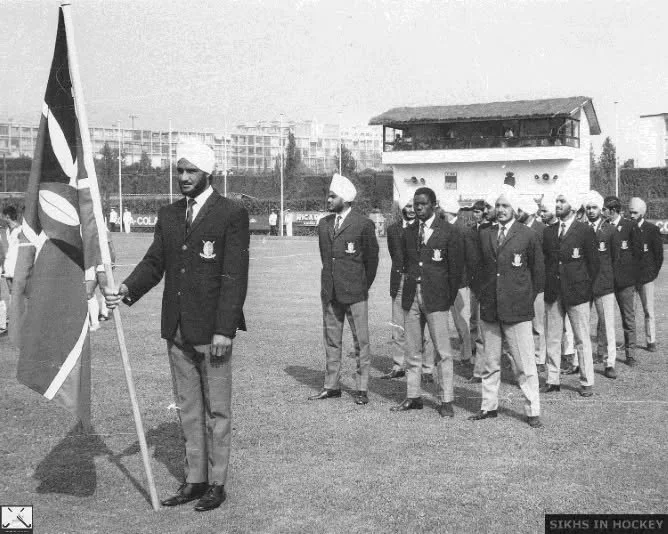
A proud history, a difficult present
Kenya's current predicament is particularly concerning when measured against the country's history in international hockey.
The men's team made its Olympic debut at the 1956 Melbourne Games and subsequently competed at the 1960 Rome, 1964 Tokyo, 1968 Mexico City and 1972 Munich Games before returning to the Olympics in Los Angeles (1984) and Seoul (1988). Kenya also featured at the 1971 and 1973 Hockey World Cups, finishing fourth in Barcelona in 1971, its best-ever performance at the global competition, before placing 12th in 1973.
These achievements demonstrated that Kenya could compete beyond the continent when players had the necessary preparation, financial support and exposure.
However, the country's international standing gradually diminished as other nations invested in modern playing surfaces, coaching, technical development and professional structures.
The emergence of stronger continental competition, particularly from South Africa and Egypt, further exposed Kenya's declining competitiveness.
The challenge has not been confined to the national teams. Domestic hockey has also experienced a reduction in institutional support, with clubs increasingly relying on their own resources to sustain league participation, player welfare and other operational expenses.
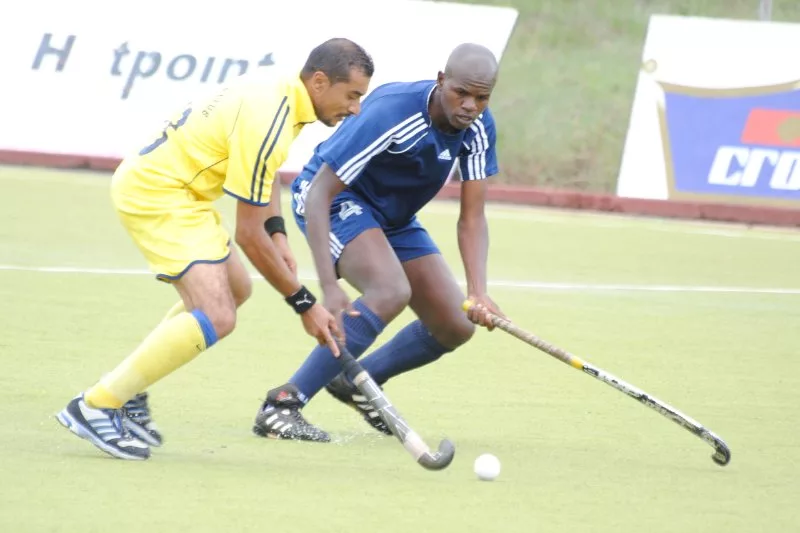
Danston Wabwire, a national team player who also plays for USIU-Africa's men's team, believes the financial challenges facing clubs have become one of the biggest obstacles to the sport's growth.
In previous decades, established institutions and companies supported teams, giving players a more stable environment to compete. Kenya Breweries and the Air Force were among the institutions that were associated with club sponsorship during the sport's stronger years. That model has largely disappeared, leaving most clubs to generate their own resources.
Wabwire points to limited corporate backing available in the men's game, citing Diakyo Heroes' sponsorship from Japan Motors, while on the women's side, Blazers, formerly known as Telkom, previously enjoyed backing from telecommunications giant Telkom Kenya.
The consequences extend beyond club finances, affecting player motivation, preparation and the overall quality of domestic competition.
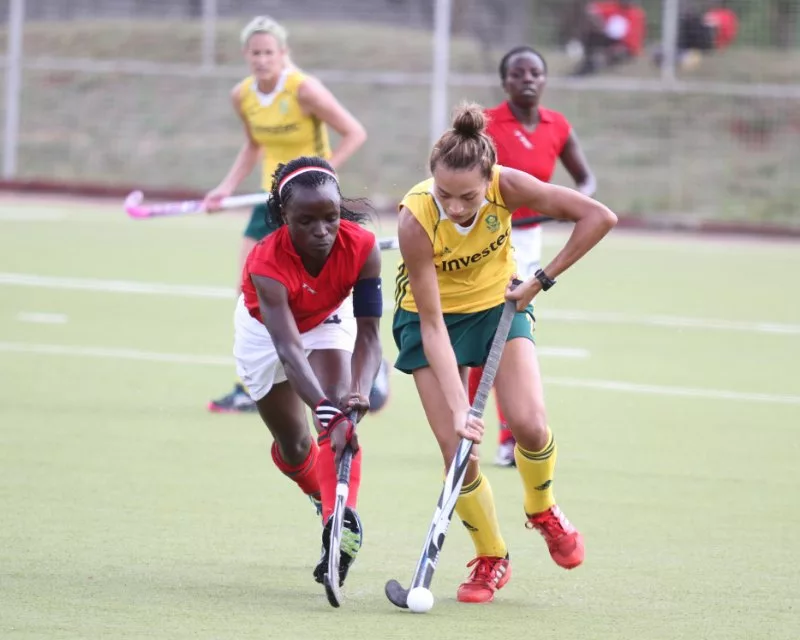
Sliders Hockey Club captain Nancy Kibogong, 42, offers a closer look at how the financial burden is affecting teams, particularly those operating without corporate sponsorship.
She says most clubs are self-supported, with players and team officials forced to raise money for league expenses, transport and other operational costs.
"Most teams in this league are self-supported. Currently, we pay upwards of Sh5,800 for every single match, on top of managing logistics and transport to get to the pitch," Kibogong said. The financial pressure is particularly difficult for teams whose squads comprise mainly young players still pursuing their education.
She says approximately 70 per cent of Sliders' squad comprises university and college-going players who depend on the senior members for support. "We have no corporate sponsors. Around 70 per cent of our squad consists of university and college-going young women who naturally look up to the older senior players for support. Carrying on like this is simply not sustainable. Self-sustaining teams that are left to fend for themselves will eventually be phased out," she said.
The challenge has also affected squad stability, with Sliders losing four players during the season after they relocated. Kibogong says the situation makes it difficult for clubs to retain players in the wake of little financial support to cushion them against the demands of competing.
She believes the union should take greater responsibility for creating an environment in which upcoming players can thrive without shouldering prohibitive costs.
"This union should cushion players, especially upcoming talent. They need to provide easy access to facilities without expecting young players to have financial resources. They must find ways to partner with the government and tap into the goodwill out there to develop local sport," she said.
Kibogong also believes the growing number of league fixtures has increased the financial pressure on clubs, even as participation at school, university and grassroots levels expands.
In the past, league matches were largely concentrated in Nairobi and were fewer. The expanded calendar offers more playing opportunities but also increases the costs clubs must meet. She argues that the growth should be matched by institutional support rather than leaving teams to finance the expansion themselves.
Infrastructure remains a major obstacle
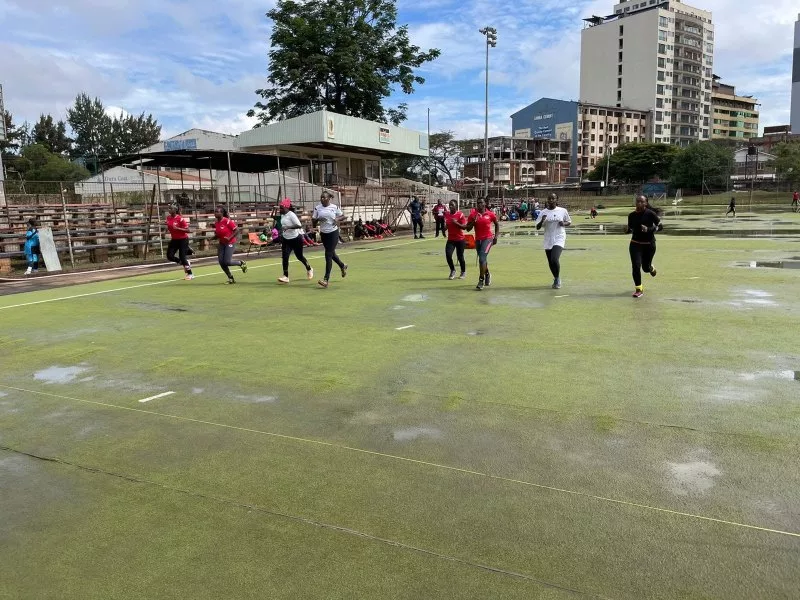
Beyond sponsorship, infrastructure remains one of the most significant obstacles facing Kenyan hockey. For years, City Park Stadium has been central to the country's hockey calendar, hosting domestic league matches and providing a home for several clubs. However, stakeholders have repeatedly raised concerns about the condition and availability of modern artificial turf facilities. Kibogong says City Park's condition has further disadvantaged clubs, forcing some teams to play on murram surfaces during the first leg of the league.
"Playing our first leg on murram was a major setback that severely degraded our level of play. It put us at a direct disadvantage. There is no consistency in displaying our skills because we lack continuous practice on astro-turf," she said.
She questions why City Park, a public facility, has not been restored to a usable condition, particularly when junior teams continue to train there.
"City Park is a public facility, yet the sports offices have failed to maintain it in a usable state. The pitch is officially condemned. Yet, ironically, junior teams are currently training there under those exact conditions," she added.
The lack of quality surfaces affects technical development, with players unable to consistently train under the same conditions they face in competitive international hockey. The inauguration of the artificial turf at Hillcrest International School in September was therefore an important development.
The facility, developed by the Braeburn Group of International Schools, offers additional opportunity for national teams and local players to access a modern playing surface.
KHU president retired Lieutenant Colonel Nahashon Randiek welcomed the investment. He said the union had already engaged Hillcrest over the possibility of using the facility for national team training. "This pitch at Hillcrest is a great development for the country, and we have already started engaging with the school so that our national teams can use this facility for training," Randiek said.
National Olympic Committee of Kenya gender representative Doreen Okiri also welcomed the private sector's contribution. She noted that partnerships would be important in complementing government efforts to address the country's infrastructure deficit.
"Having more FIH-accredited pitches in the country will improve our chances of qualifying for the World Cups and Olympic Games," she said.
KHU secretary general, Wycliffe Ongori, said that in countries like the Netherlands, individual clubs have several playing surfaces, allowing them to accommodate different teams and training programmes.
"Without good facilities, you cannot compete effectively with countries in the first world, where some clubs have up to seven pitches. We have just returned from the Masters, and I can tell you that in the Netherlands, a single club, like Sikh Union or Wazalendo Hockey Club, can have as many as seven pitches," Ongori said.
Kabu believes the solution must extend beyond Nairobi, with more facilities established in regions where grassroots talent is available.
Making hockey attractive again
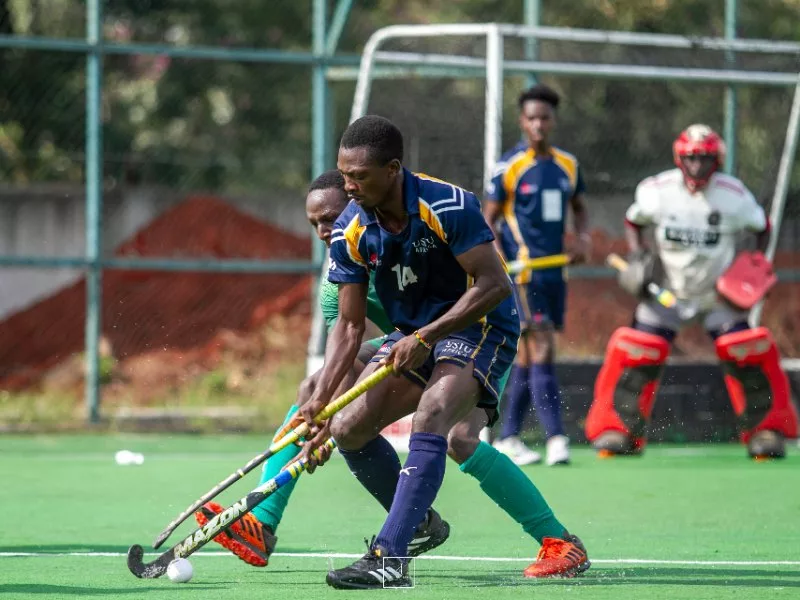
Wabwire suggested that restoring the sport's appeal will require more than securing additional playing surfaces and sponsorship deals. He believes the way hockey is presented to spectators must also change. He argues that clubs and the federation should explore new ways of making domestic matches more attractive to supporters and potential commercial partners.
He cites the Nyota Hockey Festival, organised by Twinkle Hockey Club last month in recognition of breast cancer awareness, as an example of how the sport can be integrated with broader social and community experiences.
Such initiatives bring together players, supporters and communities around hockey while creating additional platforms for sponsors to engage with audiences. "Teams need to show up, play games and go home. Once in a while, fans and players would embrace fun experiences. There is a need for more tournaments, more exposure and different ways of doing things," Wabwire said.
He also proposes experimenting with new match dynamics to make the game more entertaining and encourage greater spectator engagement.
Using Australia as an example, he points to alternative scoring incentives, including formats where a team earns an additional opportunity through a penalty shootout after scoring. His broader argument is that hockey must continually explore ways to improve its presentation and attract a wider audience.
Kibogong shares the concern about the sport's limited visibility, arguing that the union should do more to popularise competitions, secure match coverage and attract investment.
She believes growing interest in hockey at schools and universities is an opportunity to expand the sport's audience, but this goes hand in hand with marketing and promotional initiatives.
Wabwire also believes clubs must improve how they market themselves, demonstrate their value to potential sponsors and communicate the opportunities available through their participation in the sport.
A responsibility beyond the federation
Kenyan hockey revival will require a coordinated approach involving the federation, clubs, educational institutions, government and private sector.
The union must provide clear development pathways, improve the organisation and visibility of domestic competitions and create opportunities for players to gain international experience.
Clubs, meanwhile, must strengthen their administration, improve their commercial appeal and invest in the development of talent.
Schools and universities remain equally important because they provide some of the earliest opportunities for talent identification and structured competition. Kibogong insists that passion alone cannot sustain clubs indefinitely, particularly those without structured fundraising mechanisms or corporate partners.
Despite the financial and operational difficulties, Sliders continues to honour their league commitments, but she believes the situation requires intervention from those managing the sport. "The fact that we have been playing all along proves that we are resilient and self-sustaining. We are seeking structured support from those at the helm. Up to now, we have not had a structured way to raise funds, and that has to change if grassroots hockey is to survive," she said.

Kenya's recent youth success is an indication of what can be achieved when young players receive adequate preparation and competitive opportunities. However, the challenge is ensuring those achievements translate into long-term progress rather than isolated moments of success.
The boys and girls who earned World Cup qualification must now be supported through continued training, quality coaching, international competition and a clear transition into senior hockey.
Kenya has previously proved that they can compete against the world's best. The country's fourth-place finish at the 1971 World Cup and seven Olympic appearances remain evidence of that potential. But history alone cannot restore the country's position.
The emerging generation has provided a fresh opportunity to rebuild the sport. The bigger test is whether the country can provide the facilities, financial support, exposure and development structures to ensure players remain in the game long enough to take Kenyan hockey back to the top.