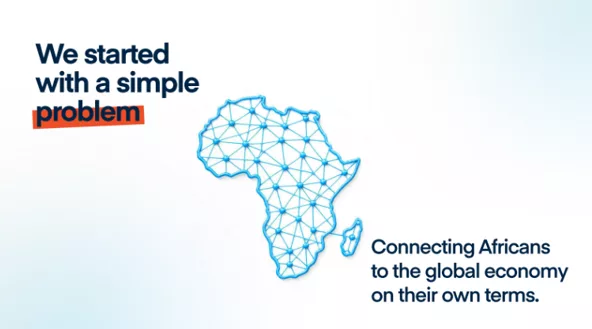
Cardtonic has launched in Kenya, giving local users access to a USD wallet alongside a KES wallet for local transactions — a product the company describes as a bid to connect Kenyans to the global digital economy rather than a standard remittance service.
The launch centres on two core products: a USD wallet for dollar access and a KES wallet for local on-ramping.
What Cardtonic is Offering Kenyan Users
Multi-Currency Wallet: Users can access up to five different wallets, with a USD wallet created automatically upon sign-up. Supported currencies include KES, USD, NGN, GHS and ZAR.
Free and Instant Currency Conversion: Conversions between supported currencies are instant with no explicit conversion fees and no stated conversion limits.
Virtual Dollar Card: Users can create multiple virtual dollar cards for different spending categories. Each card is loaded and withdrawn from separately.
Gift Card Trading: Users can trade gift cards on the platform. In Kenya, settlements can be received in KES or stablecoin, subject to availability.
Airtime and Data Top-Ups: Cardtonic routes airtime and data payments through international bill aggregators to serve local users.
KES Rates in the Rate Calculator: Users can check real-time KES rates alongside USD and NGN in the platform's rate calculator.
M-Pesa Integration: Users can withdraw to their M-Pesa mobile wallet. Top-up via M-Pesa is not yet available.
A Major Milestone in a Global Expansion Drive
The Kenyan launch is part of a deliberate expansion across Africa and beyond. Cardtonic CEO Emmanuel Sohe described it as a significant step: "While we continue to broaden our footprint globally, this is a major milestone towards our goal of building a business with the infrastructure and ambition to serve every customer irrespective of their geo."
Cardtonic currently operates in four markets: Nigeria (NGN), Ghana (GHS), Kenya (KES) and South Africa (ZAR). Users in all four markets can access the USD wallet plus a local currency wallet. Users signing up from other countries receive the USD wallet only.
The platform has also updated its KYC process to accept a wider range of identification documents, including international passports, driver's licences, national IDs and resident permits.
Kenya was a deliberate choice. The country has one of the most developed mobile payment ecosystems on the continent, with M-Pesa as the dominant payment rail used daily for groceries, utilities and bill payments. Rather than building new infrastructure, Cardtonic integrated into existing rails, allowing Kenyan users to hold, earn and spend USD without needing a Foreign Currency Account (FCA).
Since launching in Nigeria in 2019, Cardtonic has expanded to Ghana, Kenya and North America.
What the Launch Means for Kenya
Cardtonic's entry into Kenya offers a practical route for users who want dollar access and global payment tools without a traditional bank account. The USD wallet, virtual card and M-Pesa integration address a real gap for Kenyans working with international clients or platforms.
Disclaimer: Cardtonic operates through licensed payment partners in Kenya and is not itself a licensed bank or payment service provider. Readers should conduct their own due diligence before using the service. Stablecoin features may be subject to regulatory changes.
This is sponsored content provided by Cardtonic. The Star has not independently verified the claims made in this article.