The Kenya Revenue Authority (KRA) is in talks with Safaricom to allow M-Pesa to generate electronic tax invoices on behalf of small businesses.
The move is aimed at easing compliance and helping micro traders supply large companies with goods and services.
Under the proposed arrangement, Safaricom would generate electronic tax invoices through the electronic Tax Invoice Management System (eTIMS) for small traders receiving payments through M-Pesa tills, paybills and other merchant payment platforms.
The discussions are at a preliminary stage, with the proposed system expected to allow Safaricom to transmit invoices to KRA on behalf of merchants, giving the taxman greater visibility of transactions involving small businesses.
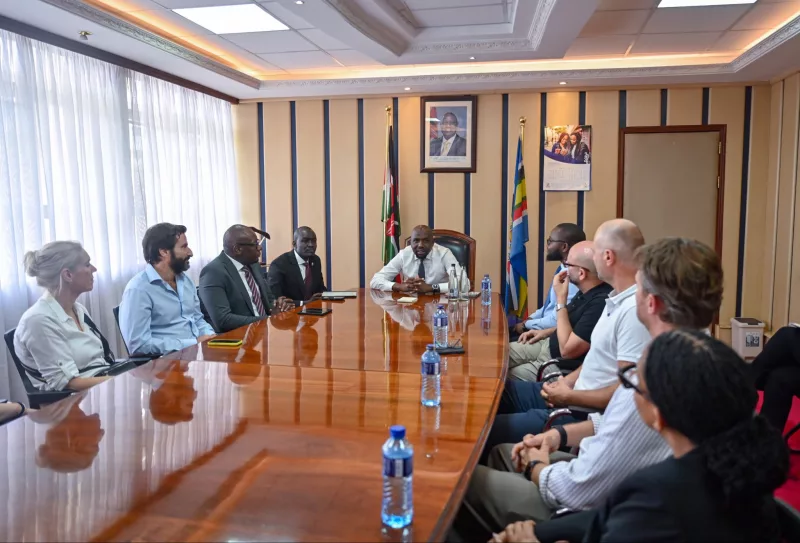
A KRA official told the National Assembly Committee on Finance and National Planning on Tuesday that the authority was exploring the arrangement as part of efforts to improve tax compliance and expand the tax base.
“Safaricom would like to carry out reverse invoicing on behalf of merchants, and these are discussions that we have begun with the telecoms operator,” the official told the committee.
“The solution would enable Safaricom to transmit invoices at the end of the day. This approach has worked very well with supermarkets where invoices generated during the day are sent to us at night.”
The proposed arrangement would build on the existing reverse invoicing framework, which allows large-scale buyers to generate electronic invoices on behalf of small suppliers through billing systems linked to eTIMS.
However, under the proposed M-Pesa model, the responsibility for generating invoices would shift to Safaricom, potentially easing the compliance burden on both small traders and their corporate customers.
The law requires businesses to issue electronic invoices as proof of sales, allowing buyers to declare legitimate business expenses to KRA. The requirements have created challenges for small traders who lack the technology or expertise to generate eTIMS invoices.
Some large companies have dropped small businesses from their supplier lists because they cannot issue the required electronic invoices, limiting market access for micro enterprises.
The proposed M-Pesa solution could help address the problem by enabling small traders to provide the documentation required by corporate buyers without having to manage the invoicing process themselves.
KRA is also seeking to use eTIMS to widen the tax base and curb tax evasion by improving its visibility of business transactions. The system enables the authority to verify reported sales and expenses, helping prevent companies from overstating expenses or understating profits to reduce their tax liabilities.
The arrangement could also bring more transactions by small businesses into the taxman's records, although the extent of any additional revenue would depend on how the system is implemented and the transactions captured.
Safaricom's extensive merchant network could provide a significant channel for rolling out the proposed service.
In the year to March 2026, the telecommunications company reported 3.1 million merchants in the M-Pesa ecosystem, representing a 71.4 per cent increase from 1.8 million a year earlier.
The network included 2.1 million traders using Pochi la Biashara and one million merchants receiving payments through Lipa na M-Pesa, which covers till and paybill transactions.
Small and medium-sized enterprises are a major source of employment in Kenya, particularly as the formal sector struggles to absorb thousands of job seekers entering the labour market.
The informal sector accounted for 712,000 of the jobs created last year, representing about 85 per cent of total employment growth, compared with 102,000 jobs in the formal sector.
Businesses with annual sales below Sh5 million are generally outside the main corporate income tax threshold and may fall outside compulsory VAT registration, subject to the applicable tax rules. However, their transactions with larger companies can still trigger electronic invoicing requirements.
Analysts at PwC have previously warned that eTIMS compliance requirements could create hurdles for small businesses seeking to supply larger firms, potentially excluding them from lucrative corporate procurement opportunities.
eTIMS is a digital platform that provides taxpayers with options for generating and transmitting electronic invoices to KRA. The proposed partnership with Safaricom would seek to make the process more accessible to micro traders while strengthening the authority's oversight of commercial transactions