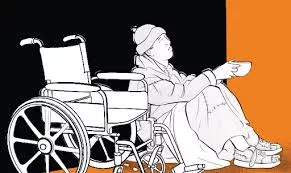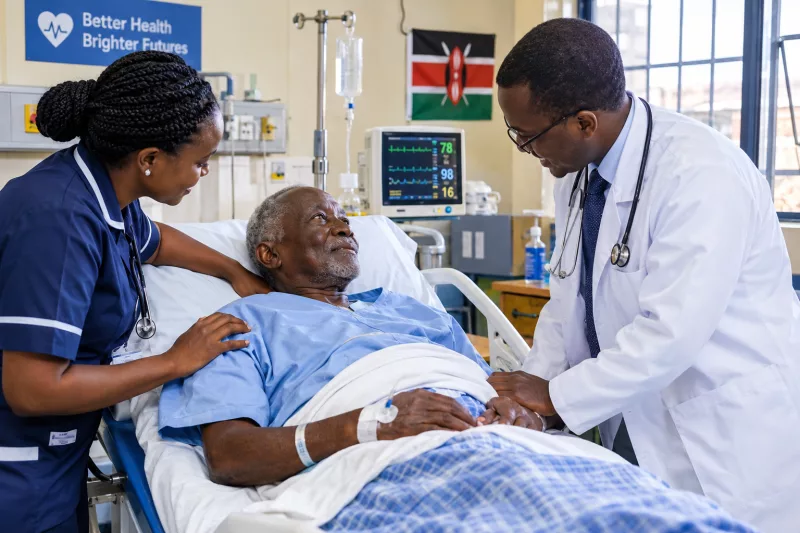
A mother arriving at a hospital with a sick child should be thinking about treatment, not calculating which household necessity she must sacrifice to pay for it. That conviction underpins Mombasa’s Mwezi wa Baba free medical services programme.
It must also guide a more ambitious national conversation: how do we turn the immediate relief of free care into dependable protection throughout the year?
My argument is straightforward. The national and county governments must jointly invest in that protection. Counties can mobilise communities, strengthen facilities and identify vulnerable households.
The national government must help finance their inclusion in the Social Health Authority system. A sustainable partnership requires both levels of government to make predictable commitments, supported by transparent accounts and measurable results.
On October 21, I hosted SHA chief executive Dr Mercy Mwangangi and her technical team to examine this challenge.
The figures presented demonstrate that public health insurance is already an important source of financing for our hospitals. They also reveal why extending coverage demands a deliberate funding partnership.
According to that presentation, Mombasa county’s 48 health facilities received Sh2.61 billion in gross SHA payments between November 2024 and October 15 this year.
This included Sh1.45 billion during the last complete financial year, 2025-26. Coast General Teaching and Referral Hospital accounted for 58.5 per cent of payments. The Primary Healthcare Fund contributed Sh694.3 million, mostly to levels 2 and 3facilities.
These payments matter because they connect national financing to places where residents actually receive care. But historical receipts cannot simply be treated as money available to finance new promises.
Hospitals must meet the costs of staff, medicines, diagnostics, equipment and daily operations. Every proposal for expanded coverage must recognise those obligations and establish how additional commitments will be funded.
The affordability challenge becomes clear when we examine household coverage. SHA’s presentation modelled an annual premium cost using Sh880 per household per month. At that planning rate, covering 10,000 households would require Sh105.6 million annually.
Its central scenario, covering 91,133 households, representing 20 per cent of unpaid households in the model, would require about Sh962.4 million each year.
These are indicative planning figures, requiring verification and agreement with SHA. Nevertheless, their message is unmistakable: even a limited expansion carries a substantial recurring cost.
Expecting a county to absorb that commitment alone, alongside its existing service obligations, would leave the sustainability question unanswered.
I therefore propose a negotiated national and county financing arrangement for indigent households. Each level of government should commit an agreed contribution towards a verified beneficiary population. The formula should reflect need, affordability and available resources.
It should establish clear enrolment targets, payment schedules and reporting obligations, allowing counties to plan services and SHA to anticipate contributions.
Crucially, this partnership should cover vulnerable households before illness strikes. If assistance is activated only when someone arrives at a hospital already sick, we are financing distress after it has occurred.
Prospective enrolment brings currently healthy indigent households into the same pool as those needing treatment. That broader participation can help manage risk and make financing more predictable.
One option worth examining is a standardised county payment to SHA for an agreed indigent population, matched by national funding.
Whether structured as a contribution or another negotiated mechanism, it must be properly costed, assessed for feasibility and tied to verified coverage. The objective is continuous household protection for every eligible household in Mombasa, with clear responsibilities for both governments.
National co-investment should also strengthen the services that make health coverage meaningful. From cancer treatment to surgery, counties need dependable financing to maintain specialist teams, equip facilities and ensure timely care.
A shared funding framework would help align investment in household coverage with the capacity of public hospitals to meet patients’ needs.
Revenue growth must follow necessary, quality care. It must never become an incentive for unnecessary procedures.
Equally, additional funding will achieve little if claims are poorly documented or legitimate payments remain unresolved. Joint reconciliation, stronger records and clear accountability should form part of any financing agreement.
Our healthcare workers are central to this effort. Many carry demanding workloads while helping residents navigate registration, treatment and follow-up.
We are seeking a transparent framework, developed with the county public service board, to recognise exceptional service. A sustainable programme must invest in the people delivering it, alongside the systems financing it.
The public deserves to know what this partnership purchases: households continuously covered, patients treated promptly, medicines available and facilities paid for legitimate services. Regular reporting should show contributions received, expenditure incurred and results achieved. That is how we build confidence that public money is protecting families.
Mwezi wa Baba has placed a practical question before us. Once we demonstrate the value of removing financial barriers, how do we sustain that access? My answer is shared investment, stronger delivery and honest accounting.
Mombasa is ready to develop that compact with the national government and SHA.
This would give families confidence that their access to care will endure beyond a campaign and through changing circumstances and needs.
For our people to build wealth, they must stay healthy. A hospital bill should not erase years of work, interrupt a child’s education or force a family into debt.
National and county governments have an opportunity to make financial protection dependable. We should seize it together, with a funding model strong enough to support the promise we make to every resident.
The writer is the Mombasa governor