The Senate has opened an inquiry into the ongoing construction of the multimillion-shilling National Social Security Fund Towers along Kenyatta Avenue in Nairobi.
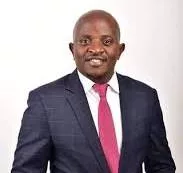
In the probe triggered by Marsabit Senator Mohamed Chute, the lawmakers are investigating the project’s cost, financing and procurement process.
They also want to establish the details of the contractors and private partners involved.
The development came after Chute filed a petition to the House, alleging opaqueness in the implementation of the project despite billions of taxpayers’ money being pumped into it.
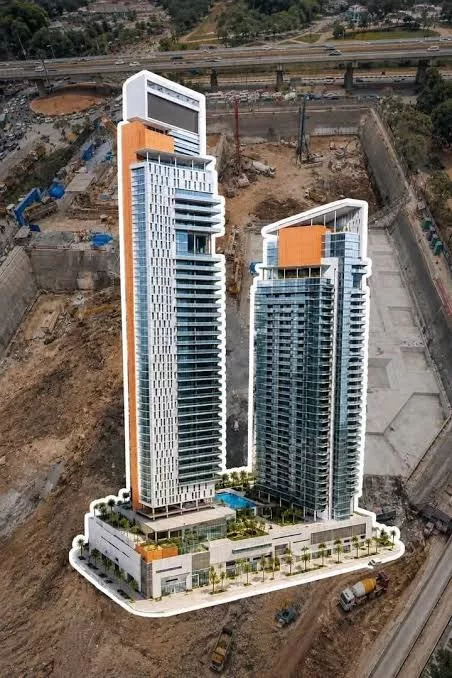
NSSF is constructing the Twin Towers project at the junction of Kenyatta Avenue and Uhuru Highway at a cost estimated at Sh30 billion.
“That land has been idle for years and has not been giving contributors any benefit. It is valued at about Sh4 billion and our objective is to unlock that value,” NSSF managing trustee and chief executive officer David Koros said in February.
Once completed, Tower A will rise to 60 storeys, about 260 metres, making it the tallest building in East and Central Africa.
Tower B will stand at 35 storeys, about 140 metres.
The complex will host premium office space, a business hotel, serviced residential apartments, retail outlets and conference facilities, alongside an observation deck on the 56th floor and parking for about 1,150 vehicles.
In the Senate, Chute has asked the Senate’s Labour and Social Welfare Committee to establish whether NSSF is financing the project alone or through a public-private partnership (PPP).
He said the inquiry was necessary because the project involves Kenyan workers’ contributions.
“This inquiry is prompted by the need for transparency and accountability on the project execution,” Chute said.
The lawmaker wants the committee to disclose the project’s estimated cost, scope and financial structure.
“The committee should name them [contractors], disclose their contract values and explain the due diligence conducted before awarding the contracts.
Chute further wants a breakdown of all financial commitments and payments made so far.
The report should also outline outstanding obligations, loan terms and any revenue-sharing arrangements with private partners.
The committee is expected to establish whether the project has obtained all required regulatory approvals. These include feasibility studies and environmental and social assessments.
Chute also wants details of measures to monitor construction quality and prevent cost overruns, delays and irregular contract variations.
Kakamega Senator Boni Khalwale backed the calls for scrutiny. He said NSSF must demonstrate that its investments are safe and generate reasonable returns.
The senator cited reports that the fund had invested in the Nairobi Expressway, Kenya Pipeline and the Rironi-Mau Summit Road project.
Khalwale challenged NSSF to disclose the returns from these investments.
“We have heard that they have invested in the Nairobi Expressway, Kenya Pipeline and Rironi Mau Summit Road, which is okay as long as there is a guarantee that no money will be lost,” he said.
“We want to know what the return on that investment is.”
The senator also questioned the reported involvement of a PPP in the headquarters project. He insisted that workers’ savings must be protected from misuse.
“Is NSSF money public funds, or is it not money belonging to workers?” he asked.
“If it were public funds, all Kenyans would have a stake in it, which is not the case. Those are people’s savings and, therefore, I hope it is not being abused.”
Chute wants the committee to go beyond the headquarters project and examine NSSF’s overall financial management.
He has sought a review of the fund’s financial position, investments and accountability mechanisms from 2021 to date.
INSTANT ANALYSIS
The Senate inquiry puts NSSF’s investment decisions in focus, raising questions about transparency, procurement and the protection of workers’ savings. While major infrastructure projects could generate long-term returns, the fund must demonstrate that investments are financially sound and comply with the law. Disclosure of project costs, contractual arrangements and investment returns will be critical in establishing whether members’ contributions are being managed prudently or exposed to unnecessary financial risks.