
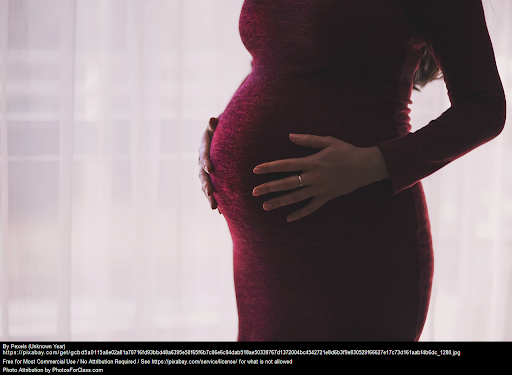
Countries will be urged to track more closely how extreme heat affects pregnant women, newborns and children under a new global health framework launched by the World Health Organisation (WHO) and its partners.
The framework recommends that countries monitor pregnancy complications, early births, stillbirths, babies born with low birth weight, child deaths and hospital visits during periods of extreme heat.
The aim is to help health authorities identify when rising temperatures may be harming mothers and children, prepare hospitals for increased demand and warn families who face the greatest risks.
In Kenya, researchers last year found that extreme heat left pregnant women in Kilifi County struggling with dizziness, exhaustion, dehydration and sleeplessness.
The study, published in Social Science & Medicine in 2023, also found that women often had to continue with household duties despite the physical strain of pregnancy and hot weather.
“Heat is already affecting our most vulnerable populations, including pregnant women, newborns and children. But what health systems do not count, they cannot respond to,” said Dr Pascale Allotey, director of WHO’s Department of Sexual, Reproductive, Maternal, Child and Adolescent Health and Ageing.
“By tracking outcomes such as preterm birth, child deaths and illnesses, and health-facility visits alongside heat exposure, countries can identify potential impacts and take action to protect women and children.”
The WHO launched the framework with the World Meteorological Organisation, the Unicef and the United Nations Population Fund (UNFPA).
Studies show that exposure to high temperatures is associated with a 26 per cent increase in the odds of premature birth, when a baby is born before 37 weeks of pregnancy.
Newborns and children are also increasingly exposed to dangerous heat. Babies under one year experienced 389 per cent more heatwave days in 2024 than during the period from 1986 to 2005, while an estimated 1.5 billion children worldwide face heatwaves that are becoming more frequent, longer or more severe.
“As our world continues to heat up, it creates new risks for health, and older people, pregnant women, newborns and children are among those least able to escape them,” said Bruce Gordon, acting director of WHO’s Department of Environment, Climate Change, One Health and Migration.
“Our health systems need the data to recognize this reality and take action - from protecting people during heatwaves to embedding climate risk consideration into everyday health services.”
The new indicators are intended to help countries connect weather records with information routinely collected by hospitals and other health facilities.
This could help officials identify unusual changes in illness or pregnancy outcomes during very hot periods and investigate whether heat may be a contributing factor.
WHO says the information could help governments identify communities at greatest risk, strengthen heat warnings to pregnant women and families, and prepare health facilities for periods when more people may need care.
Countries are also being urged to develop heat-health action plans suited to their local conditions, improve early warning systems and ensure that warnings lead to timely action.
The Kilifi research documented how extreme heat affects pregnant women in their daily lives, adding local evidence to the growing concern about the health effects of a warming climate.
The study, titled “Mothers get really exhausted! The lived experience of pregnancy in extreme heat: Qualitative findings from Kilifi, Kenya”, was published in the journal Social Science & Medicine in 2023.
Researchers interviewed pregnant and postpartum women, their male partners, mothers-in-law, community health volunteers and other local health and environmental workers in Kaloleni and Rabai in 2021. A total of 99 people took part in the study.
The researchers found that pregnant women experienced symptoms commonly associated with heat exhaustion, including dizziness, tiredness, dehydration, difficulty sleeping and irritability.
“Pregnant women described symptoms that are classically regarded as heat exhaustion, including dizziness, fatigue, dehydration, insomnia, and irritability,” the study states. It also found that women reported seeing more miscarriages and premature births during hot weather, although these reports reflected community experiences and beliefs rather than proof that heat caused each loss.
The study found that pregnancy made the experience of heat more difficult, with women describing how their bodies felt unusually hot and heavy. Some reported fast heartbeats, dizziness and fainting, while others struggled to sleep when temperatures remained high at night.
The researchers also found that many women continued doing physically demanding household work despite the heat. These duties included fetching water and firewood, washing clothes, preparing meals, caring for children and working on farms.
Limited access to water, poverty and a lack of help from family members made it harder for some women to rest or avoid the heat.
One community health volunteer described the exhaustion witnessed among pregnant women in the study, saying: “mothers get really exhausted”. The researchers noted that women often had little power to reduce their workload, even when the heat left them tired and unwell.
The study's findings point to the need for heat protection measures that consider not only temperatures but also the daily challenges facing pregnant women.
The researchers called for communities to help develop practical ways to protect mothers, including raising awareness of heat-related risks and encouraging families to support pregnant women during hot periods.
WHO said the new indicators should help countries turn evidence of heat-related health risks into action. By monitoring health outcomes alongside temperature records, authorities can look for warning signs and investigate changes during heatwaves.
The indicators include premature births, stillbirths, low birth weight, high blood pressure during pregnancy, child deaths and visits to health facilities. Monitoring school attendance can also show how extreme heat is affecting children's lives.
END