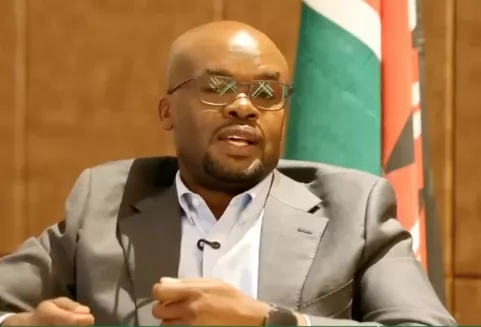
Uriri MP Mark Nyamita has praised President William Ruto over development projects in historically overlooked regions, saying the interventions are helping address longstanding inequalities in the distribution of national resources.
Nyamita cited land title issuance to coastal squatters, the construction of modern Economic Stimulus Programme (ESP) markets and infrastructure development in rural constituencies as examples of efforts to promote inclusive development.
“Addressing historical exclusion requires concrete action in long-overlooked regions, from delivering land security through large-scale title issuance to coastal squatters to constructing modern ESP markets so small-scale traders can operate in dignity,” he said.
The MP, who spoke on JKL, pointed to the construction of a tarmac road in Uriri, Migori County as a significant milestone for the constituency.
“This commitment to tangible inclusion is demonstrated by delivering critical infrastructure to rural constituencies, including constructing the first tarmac road in places like Uriri 63 years after independence,” Nyamita said.
The MP also commended the government for waiving Sh112 billion in legacy debt owed by the sugar sector, saying the move had helped revive the industry and support farming communities across western Kenya.
The debt burden had constrained the sector under previous administrations, affecting the operations of sugar factories and the livelihoods of farmers who depend on cane farming.
Nyamita said sugarcane farmers supplying factories such as Sony Sugar were now receiving payments every two weeks, providing more predictable incomes to households dependent on the crop.
“By waiving Sh112 billion in legacy debt that had crippled the sugar sector under previous administrations, the government has revived agricultural industries across western Kenya,” he said.
He said, bi-weekly payments were restoring economic viability to communities that rely on sugarcane farming.
The initiatives form part of the broader debate on equitable distribution of public resources and the need to ensure that development projects reach communities regardless of their political affiliations.