As millions of Kenyans prepare to pack their bags, reunite with loved ones and usher in the festive season, the annual migration brings a familiar shadow of anxiety over the country’s major transport corridors.
The rush to beat the festive traffic often triggers a spike in reckless driving, a trend that has now prompted the National Transport and Safety Authority (NTSA) to step in early to shield travellers from avoidable tragedies.
Rather than waiting for the gridlock and carnage to peak, the regulator is shifting gears toward a proactive strategy aimed at nipping dangerous habits in the bud.
"The authority is working to disrupt risky driving habits before they manifest on our roads, aiming to instil voluntary compliance and correct dangerous behaviours including speeding, drunk driving, driver fatigue and lane indiscipline before the high-travel period begins," the agency noted.
At the core of this preemptive push is a heavy reliance on cutting-edge technology designed to track rogue motorists in real time.
Following its rollout, the newly upgraded Intelligent Road Safety Management System (IRSMS) acts as a centralised nervous system connecting commercial operators, motor vehicle owners, speed limiter vendors and public transport providers.
By focusing heavily on commercial vehicles weighing 3,048 kilograms and above alongside Public Service Vehicles carrying seven or more passengers, the digital architecture instantly logs and flags speed violations.
"The upgraded system instantly identifies, logs and tracks speed violations, re-engineered to improve compliance and mitigate speed-related crashes to enhance road safety for everyone," explains the framework guiding the strategy.
Complementing the digital oversight is a boots-on-the-ground approach specifically tailored to protect the most vulnerable travellers making their way home.
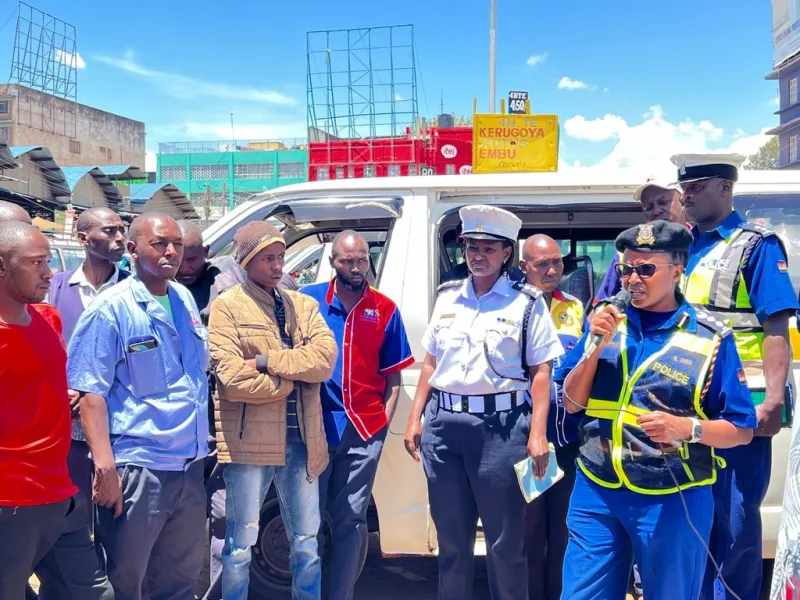
Under the banner of Operation Watoto Wafike Salama, NTSA says enforcement officers will be deployed on critical highways to guarantee the secure transit of children travelling home from school.
Armed with the NTSA Enforcement Mobile App, officers will instantly verify inspection certificates, driver licences, and the operational integrity of speed limiters.
Alongside this targeted deployment, automated smart enforcement will intensify night-time surveillance across known blackspots, backed by random roadside safety checks to weed out unroadworthy vehicles before they can endanger passengers.
NTSA says it will periodically conduct free basic safety checks for matatus, commercial vehicles and members of the public by the roadsides.
"The checks will focus on readily identifiable safety defects and provide vehicle owners with guidance on corrective action and the need for formal statutory inspection where applicable," the authority said.
Beyond policing the tarmac, NTSA has placed equal emphasis on fixing the human element behind the steering wheel through structured capacity building.
The authority has launched a road safety programme targeting matatu drivers and fleet managers that has already pulled thousands into intensive training sessions covering defensive driving, corporate governance and passenger care.
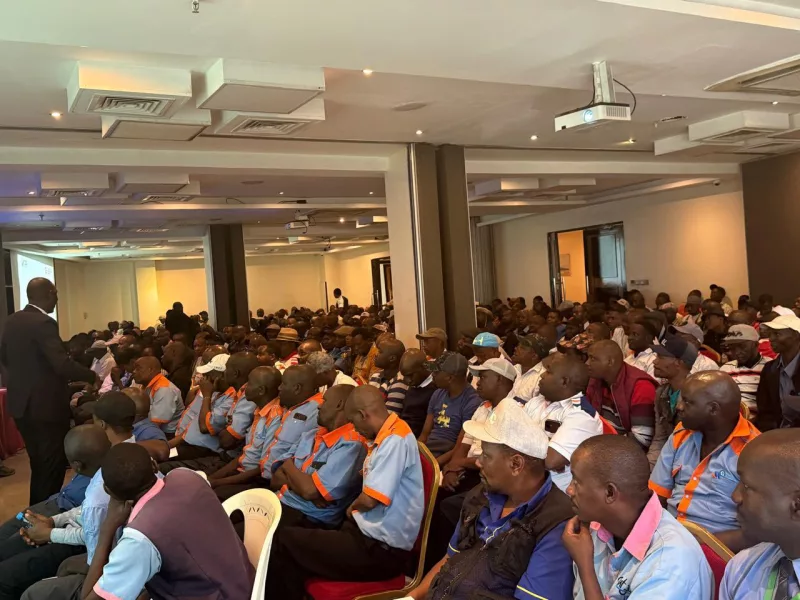
NTSA said as of October 20, it had trained 3,201 participants comprising 2,352 PSV drivers and 849 operator management personnel.
Operators are also simultaneously being pushed toward self-regulation via an upgraded Public Transport Operator Module, which forces fleet bosses to vet their own drivers' documentation, insurance and vehicle readiness.
"Public transport operators are responsible for ensuring that all vehicles and drivers operating under their licences comply with road safety and licensing requirements, guaranteeing that fleets are roadworthy, properly insured, and manned by holders of valid PSV badges," the NTSA emphasised.
Managing the grueling demands of long-distance festive schedules remains a cornerstone of the strategy, particularly given how exhaustion quietly fuels catastrophic driver errors.
NTSA says transport companies applying for short-term licences must now present ironclad journey-planning frameworks that factor in mandatory rest breaks, driver changeovers, and hazard familiarisation.
Paired with data-backed crash investigations pointing heavily to reckless overtaking and speeding, these measures complement the upcoming nationwide Usalama Barabarani sensitisation campaign.
As the holiday countdown begins, NTSA's message remains stark: every choice made behind the wheel ultimately dictates whether a journey ends in celebration or sorrow.
"We appeal to all road users to use roadworthy vehicles, remain vigilant and prioritise safety to ensure every Kenyan reaches their destination safely," NTSA said.